

Vintage Bird Carving
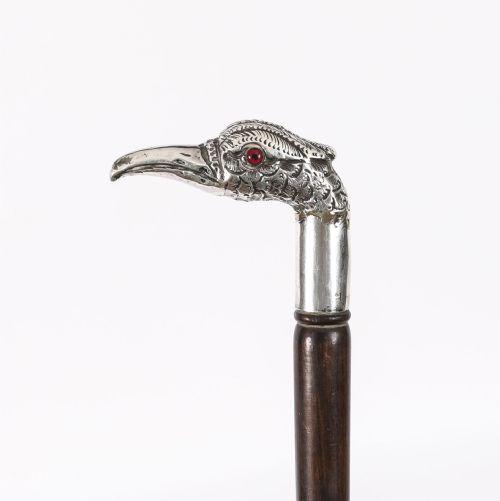
These vintage bird carving pieces bring character to a room through traditional craftsmanship and enduring natural forms.
Vintage Bird Carving
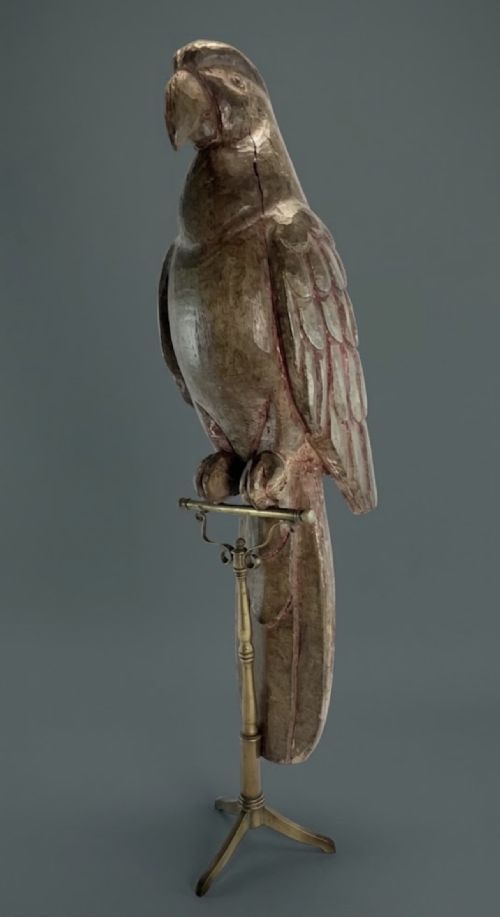
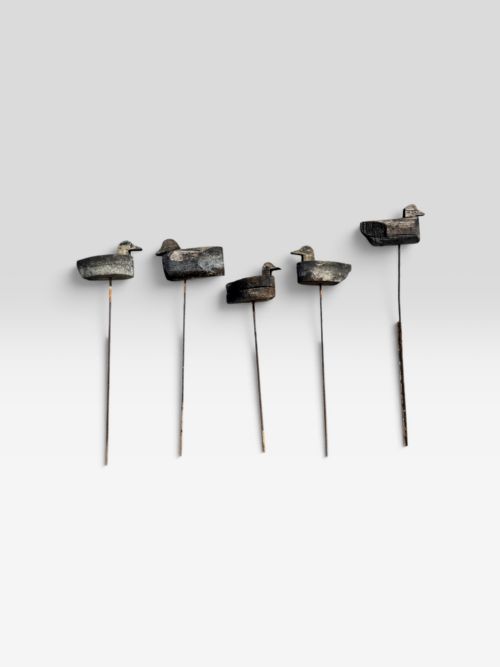
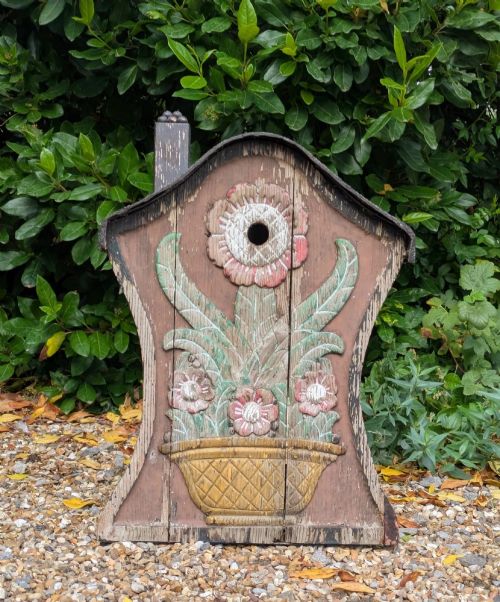
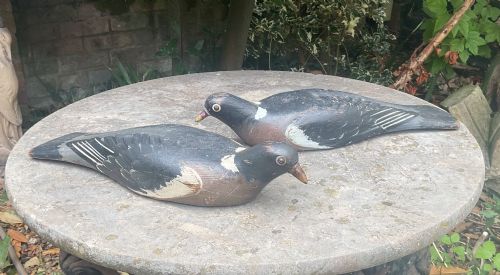
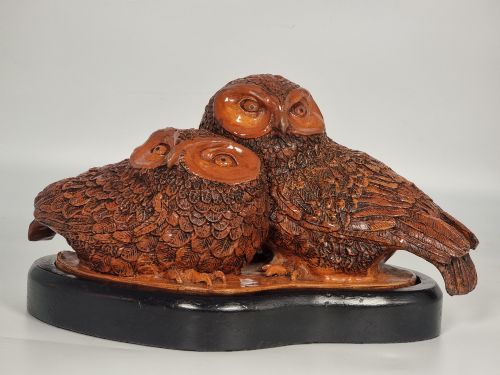
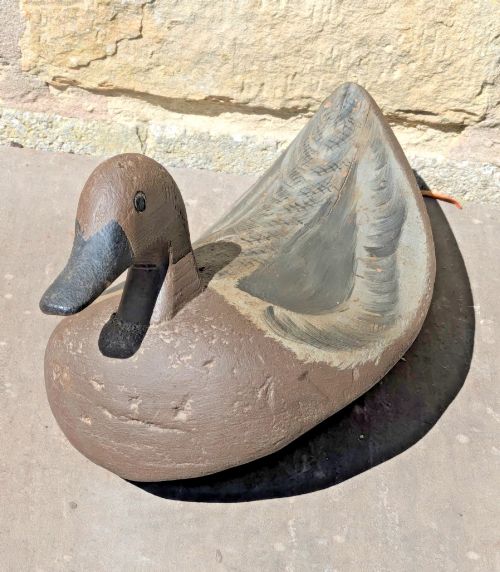
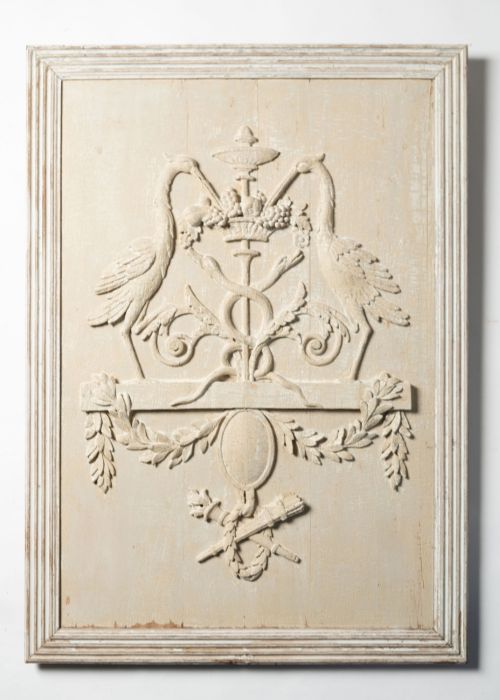
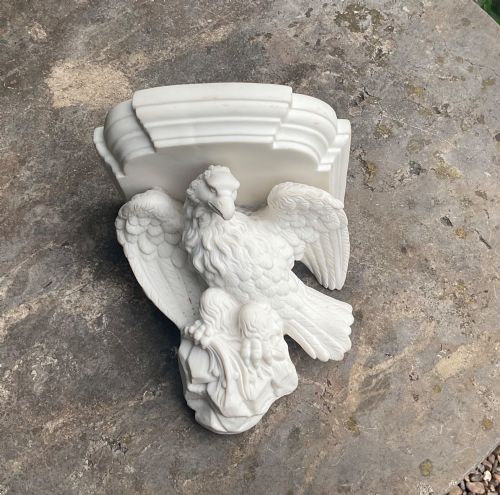
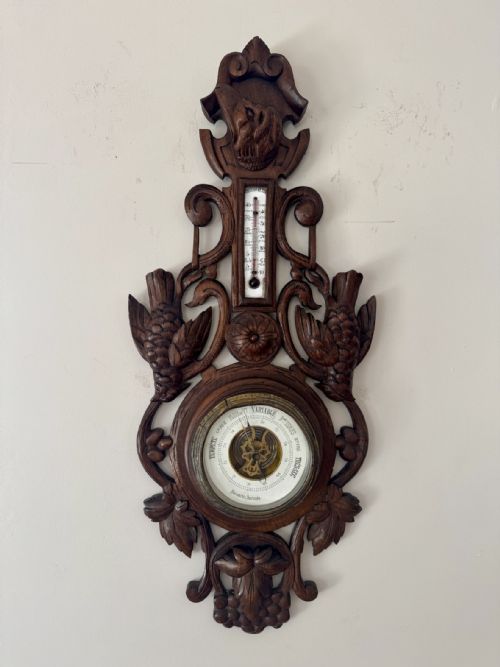
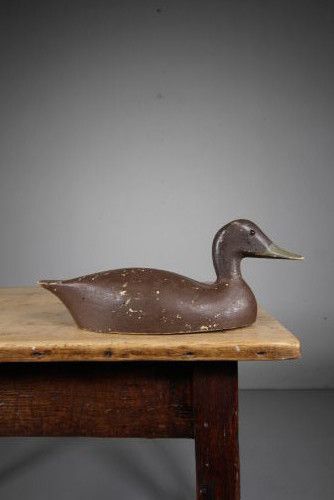
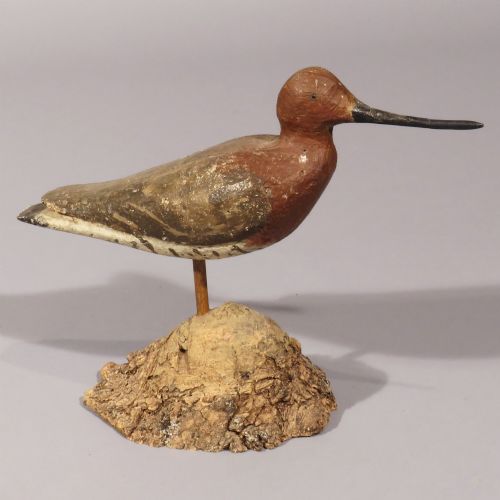
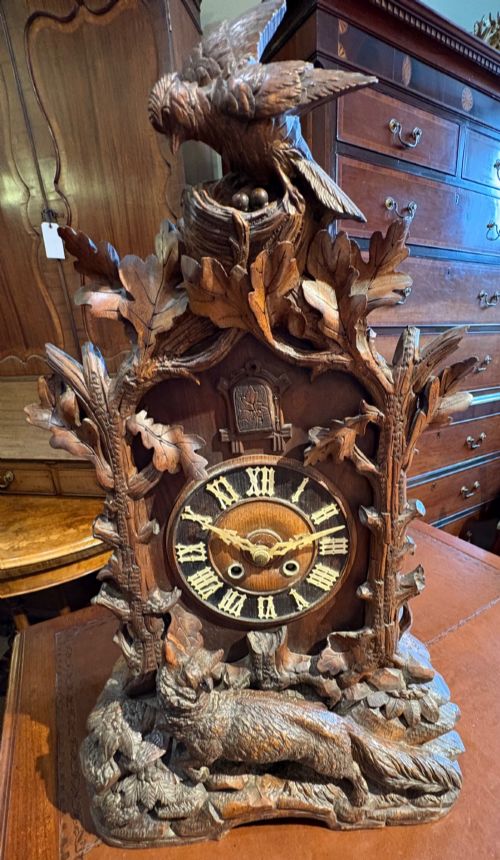
Decoys formed for hunting duck, goose, pigeon, and loon appear frequently alongside stylistic interpretations from Black Forest workshops. Collectors also encounter carved wooden parrots, owls, and pheasants originating from English, Swedish, and French makers.
Most examples function as decorative sculptures or display pieces, reflecting domestic tastes across the Victorian and Edwardian periods. Their enduring appeal lies in the straightforward translation of wildlife into tangible sculptural objects.
How They Were Made
Wood serves as the primary medium, shaped by hand using traditional carving tools to define the body, wings, and posture of each bird. Timber selection prioritised local hardwoods and softwoods suitable for detailed knife work or lathe turning.
Paint finishes applied over the carved timber provide colour and realistic plumage detail, often weathering naturally over decades of use. Glass eyes sometimes feature in higher-grade decorative fowl to increase visual realism.
Listings feature wood, paint, glass, and brass across nineteenth-century and early twentieth-century periods.
What Varies in Quality
Anatomical proportion and anatomical accuracy separate competent artisan work from mass-produced or purely utilitarian items. The fluidity of the carving lines and the subtlety of posture dictate the artistic merit of the piece.
The integrity of the original paint surface determines much of the visual character, with untouched patinas commanding greater appreciation than later overpainting. Minor operational wear on working decoys tells a historical story, provided the core sculptural form remains intact.
Carl Kauba
The Vintage Bird Carving Glossary
- Decoy
- A carved or moulded figure designed to lure wildfowl for hunting, now collected as folk art. Many surviving examples display rugged tool marks and aged painted surfaces.
- Black Forest
- A style of intricate wood carving originating from central Europe during the nineteenth century. These pieces often depict birds and animals with deep undercut foliage and realistic textures.
- Folk Art
- Utilitarian objects created by self-taught makers without formal academic training. This category embraces regional bird carvings made for everyday rural use.
- Patina
- The surface sheen and colour acquired by wood and paint through age and handling. A genuine undisturbed patina adds considerable depth to vintage carvings.
Vintage Bird Carving: Frequently Asked Questions
How do I date a wooden decoy?
Dating a wooden decoy involves examining the tool marks left by the maker, the type of timber used, and the composition of the paint layers. Hand-cut dovetails, lead weights, and glass eye inserts offer further clues regarding the era of production.
Earlier nineteenth-century pieces often display heavier construction and simpler hand-applied finishes. Edwardian and later examples introduce more standardised forms and distinct regional painting styles.
Where were Black Forest carvings made?
Black Forest carvings originated in the mountainous region of central Europe, particularly Switzerland and Germany, during the Victorian era. Local woodworkers utilised native lime and walnut timber to carve detailed animals and birds.
These workshop pieces reached international markets through trade exhibitions and export houses. Their distinct style relies on deep relief work and realistic glass eyes.
How should I display folk art birds?
Folk art birds suit simple display environments where their carved textures and weathered paint remain visible. Placing them on plain shelves, mantelpieces, or tables allows the natural silhouette to stand out without visual clutter.
Protection from direct sunlight and stable indoor humidity preserves the fragile painted surfaces. Avoid damp locations that might compromise the integrity of aged timber.