

Vintage Folk Art Carving
A vintage folk art carving is a handmade sculptural object shaped by everyday hands, offering tangible character to domestic interiors.
Vintage Folk Art Carving
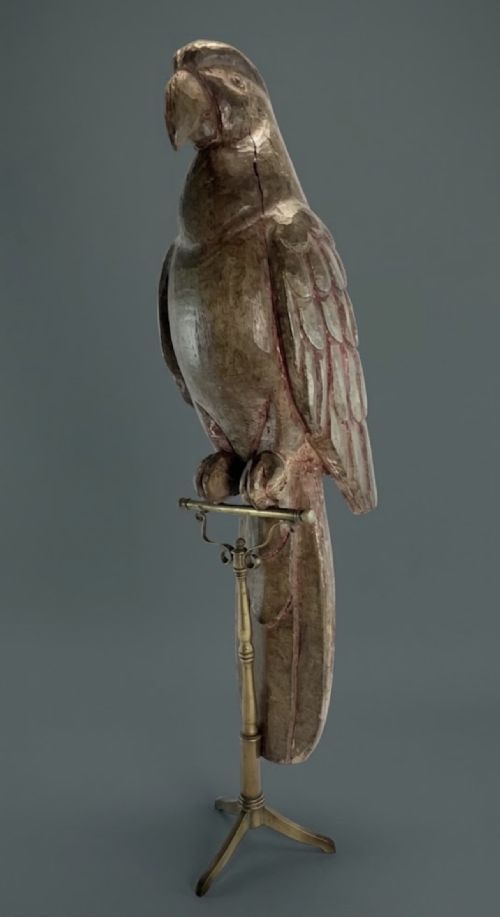
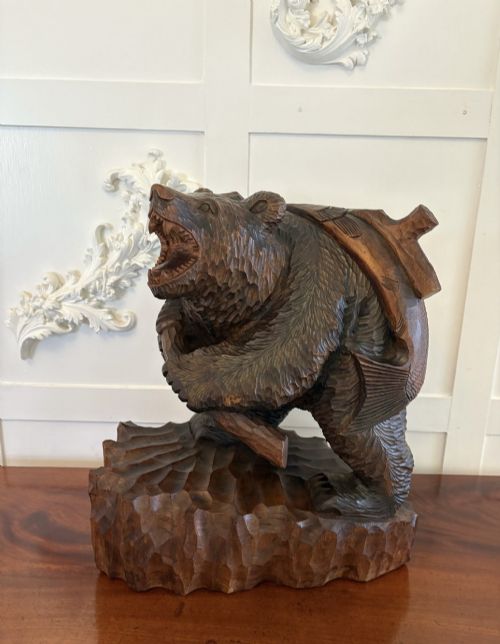
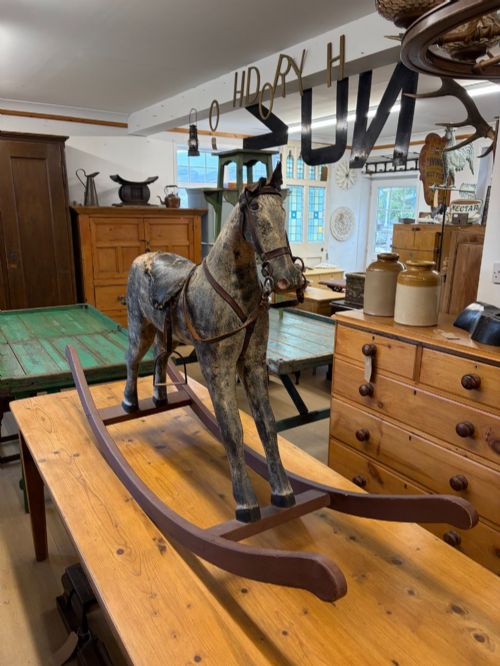
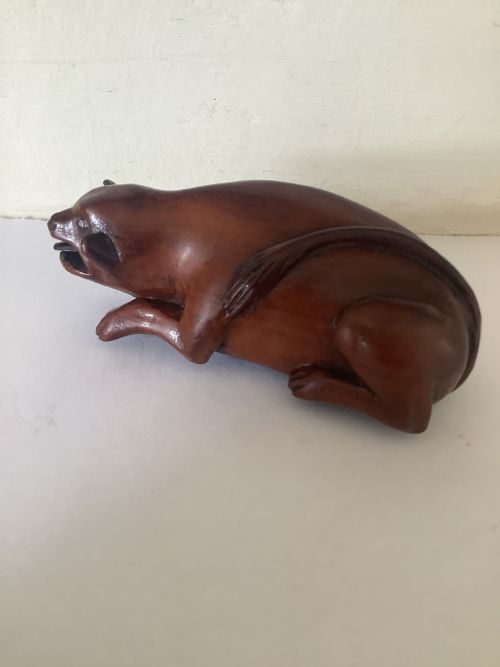
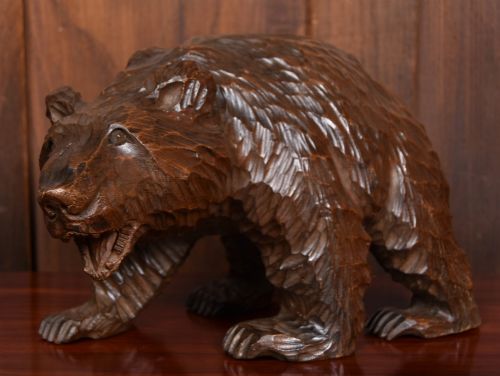
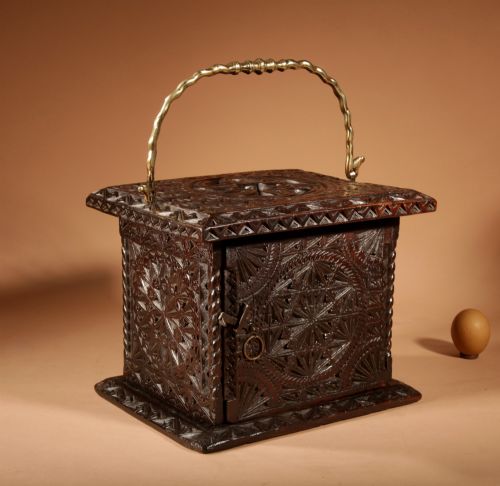
Domestic and utilitarian pieces feature frequently, including carved snuff boxes, knitting sheaths, foot stoves, and small side tables. Animal figures, particularly bears, birds, horses, and dogs, emerge across various regional styles such as Scandinavian, Japanese, and French traditions.
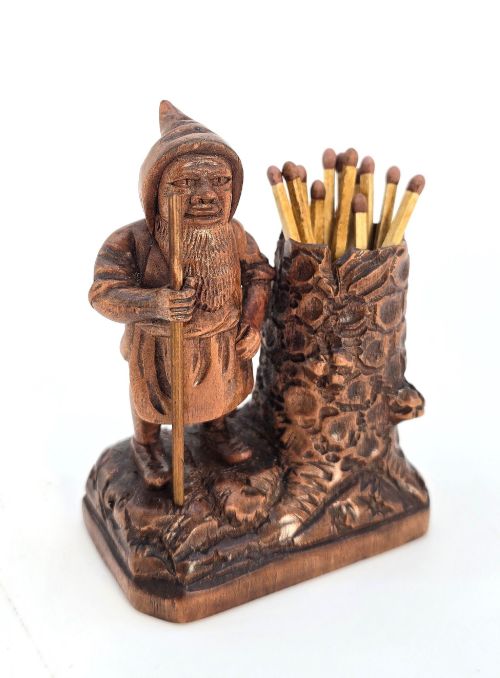
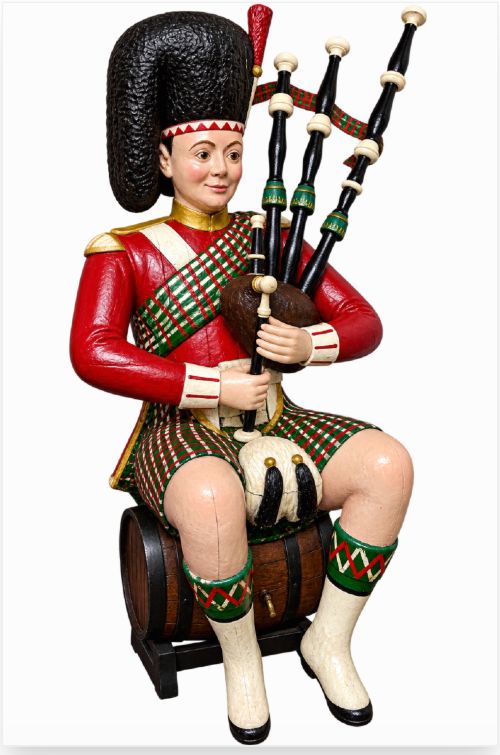
The selection ranges from naive nineteenth-century trade figures and scratch-built models to chip-carved containers and tramp art furniture. These objects served functional roles or decorative purposes in homes, workshops, and trades before entering the collector market.
Materials and Techniques
Wood serves as the primary medium, utilising accessible local timbers such as pine, oak, fruitwood, linden, and limewood. Makers shaped these materials using basic hand tools, relying on straightforward carpentry, whittling, and chip-carving techniques.
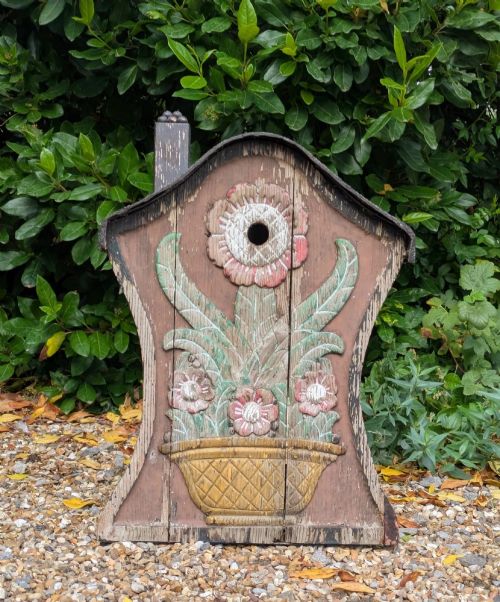
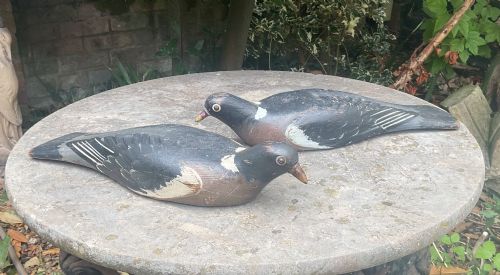
Surface decoration frequently involves hand-painting, adding colourful coats to wooden birds, horses, and trade signs. Other pieces display natural finishes, iron elements, glass accents, or intricate punchwork and fretwork detailing.
Listings feature items from the eighteenth, nineteenth, and twentieth centuries, including Edwardian and Victorian examples.
Assessing Quality
Quality rests in the vigour and expression of the carving, distinguishing confident vernacular execution from rigid or hesitant work. Pieces that retain their original untouched paint surfaces command greater interest from collectors.
The balance of proportion, originality of form, and clarity of regional style determine the standing of an object. Patina accumulated through genuine age and handling adds depth to the surface, separating distinguished examples from simpler items.
The Vintage Folk Art Carving Glossary
- Treen
- Small handmade wooden domestic objects produced before the widespread use of plastics. These utilitarian items include boxes, spoons, and knitting sheaths.
- Decoy
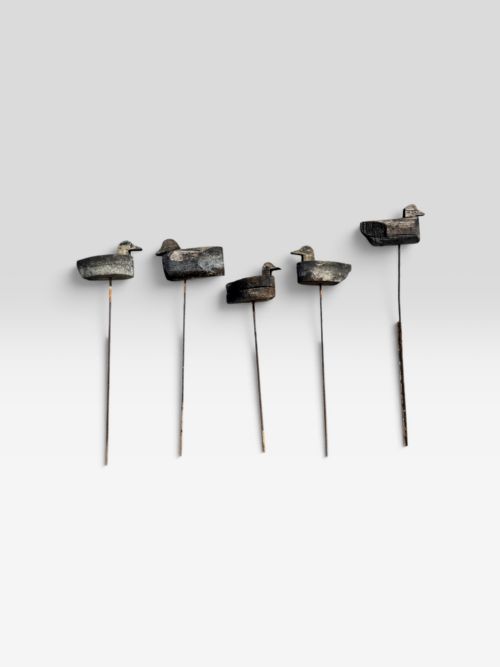
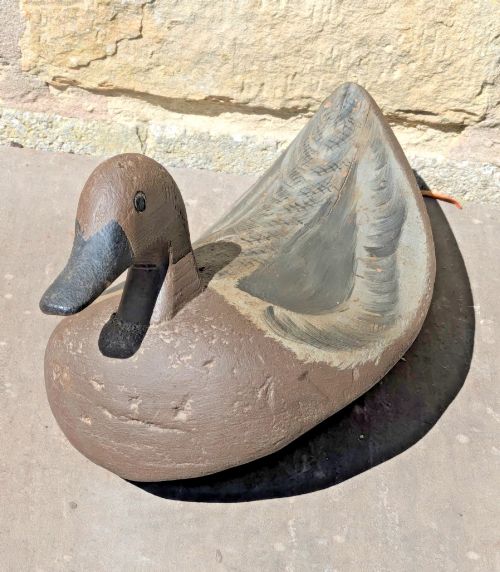
- A carved and often painted wooden bird or animal used historically to attract wildfowl. Makers shaped these with attention to silhouette and posture.
- Chip carving
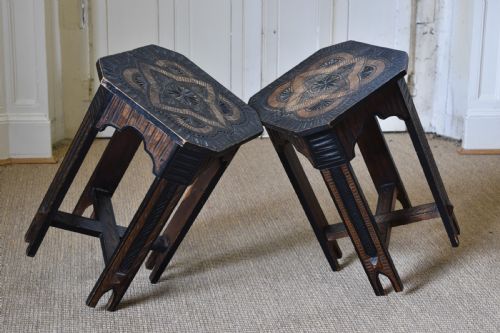
- A decorative technique where small chips are removed from a wooden surface with a knife to create geometric patterns. This method appears on small tables, boxes, and household items.
- Tramp art
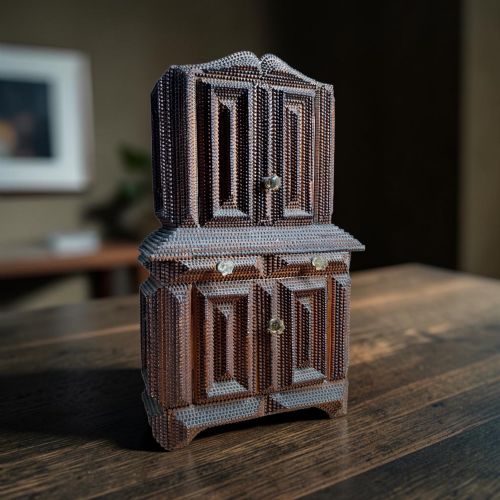
- A form of folk art where everyday wooden packaging materials, such as cigar boxes, are notched, layered, and glued into decorative frames and furniture. The style relies on patience and simple pocket knives.
- Naive art
- Artwork created by individuals without formal academic training, often characterised by a direct, unpretentious perspective. These pieces capture visual truths through uncomplicated form.
Vintage Folk Art Carving: Frequently Asked Questions
What is vintage folk art carving?
Vintage folk art carving refers to handmade decorative and utilitarian wooden objects produced by self-taught or traditional makers. These pieces include animal figures, decoys, boxes, and small furniture items originating from various international vernacular traditions.
Such objects reflect the domestic and working lives of past communities, valued today for their individuality and direct connection to historical handcraft.
How were these carvings used?
Many carved objects served practical functions in homes, shops, and rural trades, such as snuff containers, knitting sheaths, milking stools, and decoy ducks for hunting. Others, like animal sculptures and architectural clock cases, provided purely decorative or structural roles within domestic spaces.
Over time, items originally built for everyday utility transitioned into decorative collectibles appreciated for their visual charm and regional history.
How do I care for wooden folk art?
Keep wooden carvings away from direct sunlight and steady sources of heat to prevent the material from drying out and cracking. Maintain a stable indoor environment and dust gently with a dry, soft cloth without applying modern chemical polishes.
Preserving the original surface patina is essential, so avoid aggressive cleaning methods that might strip away historic paint or wax.
How can I tell the age of a carving?
Dating relies on observing tool marks, timber types, and the composition of surface finishes such as old paint layers or natural wax patinas. Stylistic clues, regional construction methods, and documented maker signatures or dates also provide helpful chronological reference points.
Comparing construction details with dated examples helps establish the likely period of origin.