
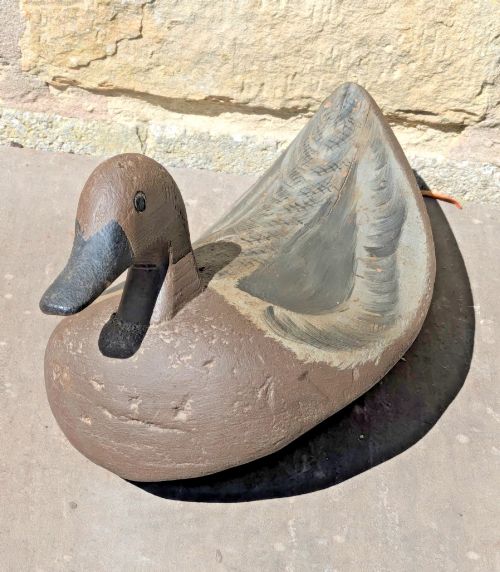
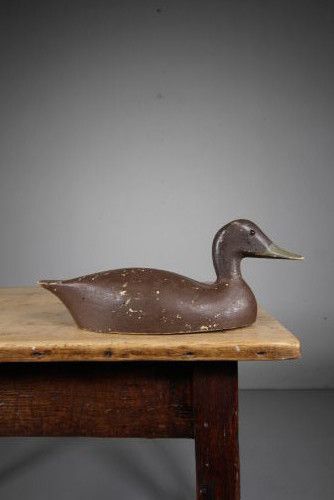
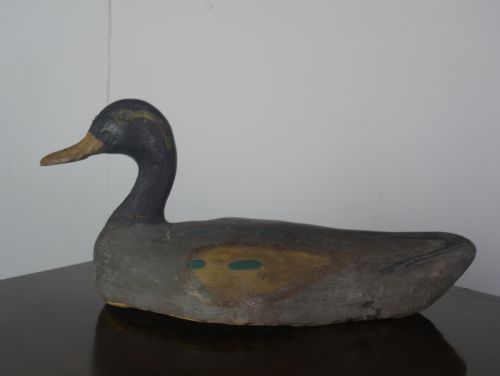


Painted Wood Duck
These painted wood duck carvings are functional decoys and folk art sculptures that bring rustic charm and authentic British and international country character into a room.
Painted Wood Duck
A painted wood duck on this page typically takes the form of a carved wooden decoy used historically by hunters on the water. These pieces span several decades and centuries, ranging from nineteenth-century examples to pieces made around nineteen-thirty.
Buyers will encounter various incarnations, including single working decoys, sets of multiple birds, and even themed variations like an American loon accompanied by a chick. Most of these sculptures embody folk art traditions, reflecting both English country craftsmanship and broader decorative styles.
Alongside dedicated waterfowl sculptures, the broader selection occasionally includes unrelated seating and pedestals, but the core focus remains firmly on these characterful wooden birds. Every piece carries the physical marks of its past use on the water or display in a rustic interior.
Materials and construction
The primary material across the selection is carved wood, shaped by hand to replicate the natural posture and silhouette of waterfowl. Artisans utilised solid blocks of timber, working them with hand tools to achieve smooth contours and distinct head shapes.
Surface decoration relies heavily on paint, applied directly to the wood to render the plumage, wing feathers, and distinctive markings of different duck species. Some examples incorporate applied glass eyes to enhance the realism of the sculpture.
The combination of carved timber and weathered paintwork creates a tactile surface that records decades of handling and exposure. Over time, the pigments have worn down gracefully, leaving authentic patination across the bodies.
One notable sculpture captures an American loon journeying across the water with her tiny chick in tow.
Assessing quality in carved decoys
Quality in a painted wood duck rests primarily on the strength of the carving and the character of the remaining paint surface. Pieces with crisp, original pigment retention and expressive body shapes stand apart from heavily restored or plain examples.
The tactile appeal of the timber grain interacting with layered paint dictates the visual success of the piece. Masterful shaping of the head and bill shows a deeper observation of nature by the maker.
Proportion and stance create the overall presence of the sculpture on a shelf or table. The most desirable items combine untouched surface age with a strong sculptural silhouette.
The Painted Wood Duck Glossary
- Decoy
- A carved and painted imitation of a waterfowl used by hunters to attract real birds. These functional objects have evolved into collectable pieces of folk art.
- Folk art
- Art made by self-trained or traditional artisans, often serving a practical function. This category encompasses the majority of the wooden ducks found in these listings.
- Patina
- The surface sheen and wear developed by wood and paint over many decades of handling and age. It serves as a key indicator of authenticity.
- Fauteuil
- An open-arm armchair with upholstered back and seat, originating in France. Occasional pieces of this style appear alongside the primary duck carvings.
Painted Wood Duck: Frequently Asked Questions
What is a painted wood duck?
A painted wood duck is a carved wooden sculpture originally utilised as a hunting decoy on lakes and rivers. Over time, these functional objects transitioned into decorative folk art collected for their rustic aesthetic.
Today, they are displayed on shelves, mantelpieces, and tables to add historic character to interior spaces.
How were these wooden ducks used?
Hunters placed these carved wooden figures on the water or shoreline to lure wild ducks within range. The hand-painted surfaces helped replicate the appearance of real birds from a distance.
After their working life on the water ended, many of these pieces found a second life as decorative objects in homes and country houses.
How do I date an antique decoy?
Dating a carved wooden decoy involves examining the type of wood, the composition of the paint layers, and the tool marks left by the maker. Stylistic indicators and known regional carving traditions also help narrow down the period.
Pieces seen here range from the nineteenth century through the Edwardian era and up to the nineteen-thirties.
How should I display my decoy?
These wooden ducks work well placed singly on a bookshelf, gathered in a small set on a side table, or arranged on a rustic mantelpiece. Their natural wood and weathered paint complement both traditional and modern interiors.
Keep them away from direct heat sources and strong sunlight to preserve the historic paint surfaces.