


Wooden Bird Ornament
These wooden bird ornaments bring lively character into a room through centuries of carving traditions.
Wooden Bird Ornament
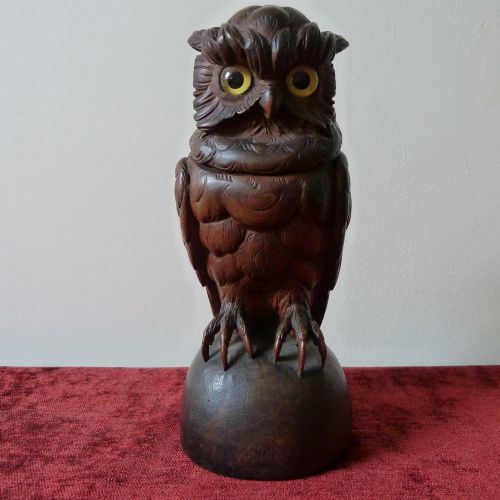
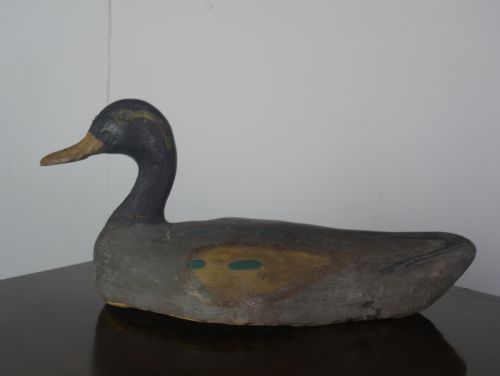
A wooden bird ornament spans everything from practical desk accessories like inkwells to sculptural figures and working decoys. You will frequently find decoy ducks and Black Forest carvings alongside decorative herons, parrots, and swans.
The selections range across multiple periods, with nineteenth-century carvings and early twentieth-century folk art appearing most often. Makers from different European traditions and Asian styles shaped these figures into distinct decorative objects for the home.
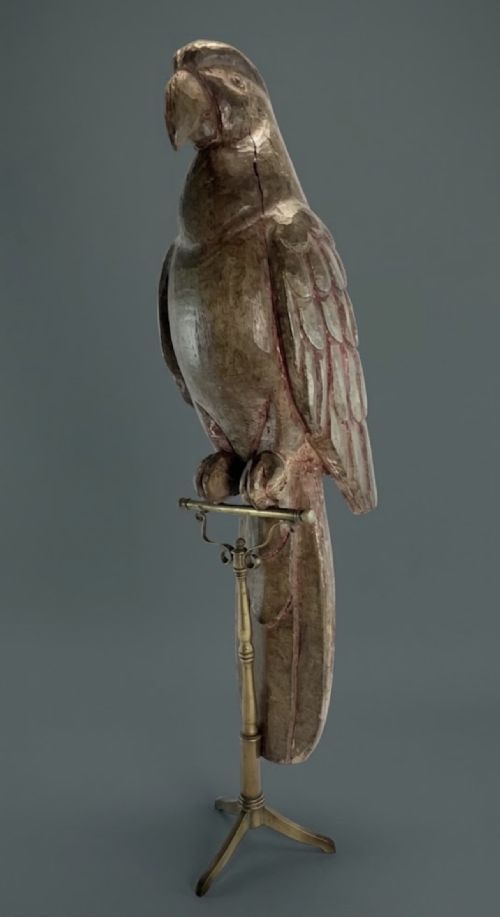
Forms vary from simple painted ducklings in papier mâché to elaborate birds mounted on brass stands or carved from linden wood. Each piece serves primarily as a decorative accent or a sculptural study of wildlife.
How they were made
Carvers shaped these ornaments using traditional woods such as pine, linden wood, and mahogany, often applying hand paint to mimic natural plumage. Some examples incorporate contrasting materials like brass stands, glass elements, or gilt-wood finishes.
Folk art pieces rely on rustic hand carving and surface painting, while Black Forest works display deep, intricate carving techniques. Papier mâché and straw feature in specific lighter studies of water birds.
Object types range from working decoy ducks and inkwells to decorative sculptures of parrots, owls, and swans.
What varies in quality
Quality rests in the precision of the carving and the fidelity of the bird's form, whether dealing with a folk art decoy or a detailed Black Forest owl. Finer pieces demonstrate careful attention to anatomical proportions and surface texture.
Original painted surfaces and integrated stands elevate a piece, whereas heavy restoration or later repainting alters the character. The depth and clarity of the wood carving dictate the overall presence of the object.
The Wooden Bird Ornament Glossary
- Black Forest
- A style of wood carving originating in central Europe, known for realistic depictions of animals and deep relief work. These pieces often take the form of inkstands or functional figures.
- Decoy duck
- A working water bird figure traditionally carved and painted to attract live ducks during hunting. Collectors value them today as rustic folk art ornaments.
- Folk art
- Objects created by self-taught or traditional artisans using local materials and straightforward techniques. These items emphasise practical charm and direct visual impact over academic training.
- Gilt-wood
- Timber coated with a thin layer of gold leaf or gilt finish. This technique adds a reflective decorative surface to sculptural bird figures.
- Linden wood
- A pale, fine-grained timber frequently chosen by carvers for its smooth texture and ease of shaping. It allows for intricate detail in figurative ornaments.
Wooden Bird Ornament: Frequently Asked Questions
What are wooden bird ornaments used for?
These pieces serve as decorative objects for display on shelves, sideboards, and desks. Some historical examples, such as inkwells, combined decoration with everyday utility.
Others, like decoy ducks, originated as working items before transitioning entirely into decorative home ornaments.
How do I date a wooden bird?
Dating relies on examining the tool marks, timber types, and surface finishes characteristic of specific periods like the Victorian era or the early twentieth century.
Folk art pieces often carry wear patterns and paint layers that point to their age and regional origin.
Where did Black Forest carvings come from?
Black Forest carvings emerged from the wooded mountain region of central Europe during the nineteenth century. Local artisans specialised in realistic animal sculptures and functional items.
These pieces gained popularity through international exhibitions and trade.
Are decoy ducks hand painted?
Most antique decoy ducks feature hand-painted surfaces applied to highlight the feathers and species markings. Artisans used oil or lead paints that weathered with age and use.
Original paint surfaces remain an important element for collectors.