
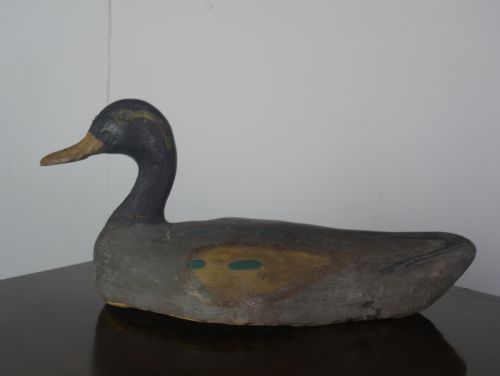


Antique Wooden Duck
These antique wooden duck pieces bring rustic character to a room, spanning working decoys and carved sculptures from the nineteenth and early twentieth centuries.
Antique Wooden Duck
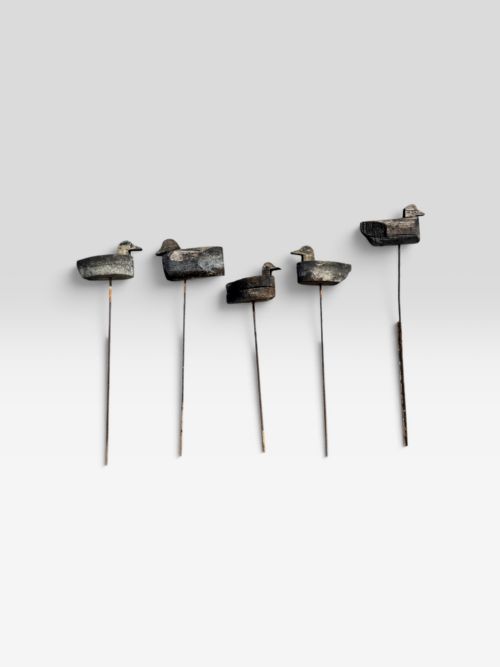
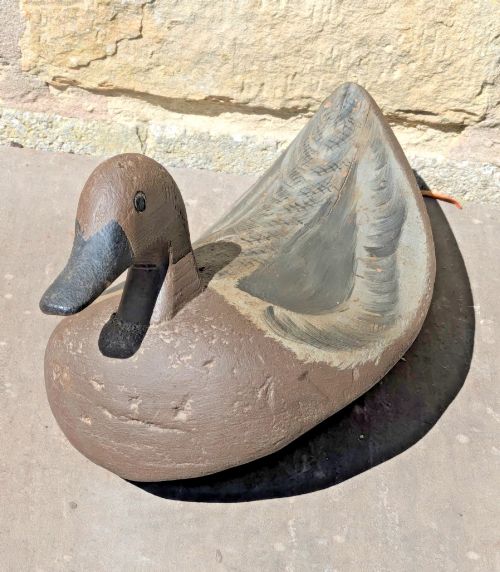
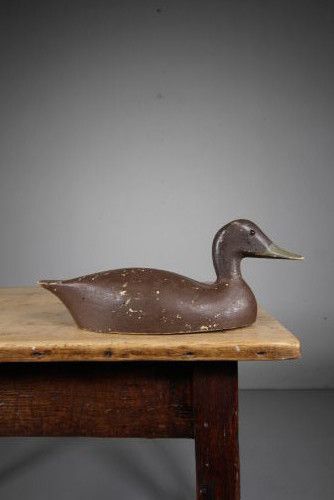
When you search for an antique wooden duck, you encounter working decoys alongside decorative carvings created in various regional traditions. The examples meeting you here range from English and French folk art specimens to Swedish and American water bird representations.
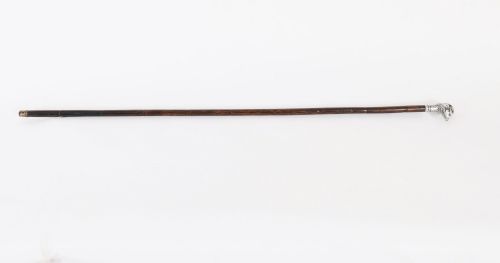
Most pieces date from the nineteenth century up through the nineteen-thirties, encompassing Victorian, Edwardian and early twentieth-century periods. Decoy ducks dominate the selection, though related items like walking canes with duck head handles and taxidermy studies also appear.
The objects serve primarily as decorative sculptures and folk art objects rather than working gear today. Their forms capture the silhouette of mallards, loons and shoveler ducks through traditional carving.
How they were made
Carvers shaped these figures from solid timber and pine using hand tools to achieve the contours of the bird. Many pieces received layers of paint to mimic natural plumage, often showing weathering from use.
Makers occasionally incorporated glass for eyes or added hardware like brass and iron details on related items. Folk art examples rely on straightforward carving and hand painting rather than industrial production methods.
One decoy arrives paired with an America loon and her tiny chick, proving that even wooden waterfowl enjoy a family day out.
What varies in quality
The distinction between average items and exceptional pieces rests in the vitality of the carving and the preservation of original painted surfaces. Stronger examples display confident tool marks and naturalistic postures that bring the bird to life.
The integrity of the original finish dictates much of the appeal, with untouched surfaces holding more character than later repainting. Proportions that accurately capture the species shape set finer decorative sculptures apart from simpler items.
The Antique Wooden Duck Glossary
- Decoy duck
- A floating or land-based replica of a water bird used by hunters to attract live ducks. These working items form the core of antique carved duck listings.
- Folk art
- Objects created by self-trained makers within a community tradition, prioritising functional utility or rustic charm over academic fine art rules. Many carved wooden ducks fall directly into this category.
- Taxidermy
- The art of preparing, stuffing and mounting the skin of animals for display. Cased bird studies occasionally accompany wooden sculptures in rustic collections.
- Torchere
- A tall ornamental stand or pedestal designed to support a lamp or candle. Examples in related listings showcase nineteenth-century turned woodwork.
- Buffet
- A sideboard or cabinet used for storing and displaying dining ware. French painted versions appear among broader rustic furniture pieces.
Antique Wooden Duck: Frequently Asked Questions
How were decoy ducks used?
Hunters floated or placed decoy ducks on the water or shore to lure real wildfowl within range. Their weight and wooden construction kept them stable in various weather conditions.
Over time, many working decoys transitioned from utilitarian shooting gear into decorative objects displayed on tables, shelves and sideboards.
How do I date an antique wooden duck?
Dating relies on examining the tool marks, wood type, paint composition and overall style relative to known periods like the Victorian or Edwardian eras. Hand-carved pine and worn layered paint often point to late nineteenth or early twentieth-century origins.
Comparing the silhouette and construction methods to documented folk art pieces helps narrow down the decade of production.
Where should I display an antique duck?
These wooden pieces suit rustic interiors, country house schemes and eclectic living spaces where natural textures stand out. Placed on side tables, chests of drawers or mantelpieces, they add a touch of traditional craftsmanship.
Keeping them away from direct heat sources and strong sunlight preserves the original wood and painted finishes.