


Antique Sporting Decoy
These antique sporting decoy pieces bring the character of English country folk art straight into a room, shaped by hands a century or more ago to catch the eye.
Antique Sporting Decoy
An antique sporting decoy is a working carving designed to attract birds, now gathered as folk art sculpture. When you search for antique sporting decoy, you are looking at items that served a practical purpose in the field before finding their way onto mantelpieces and sideboards.
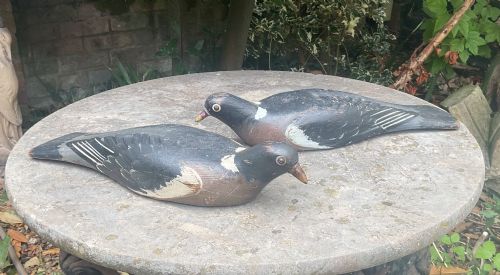
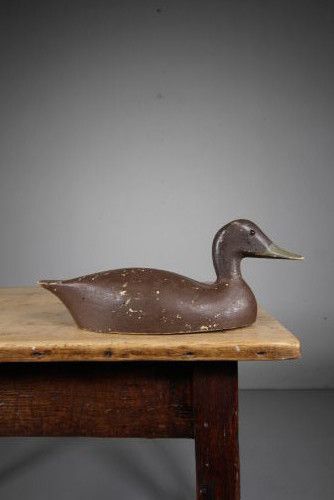
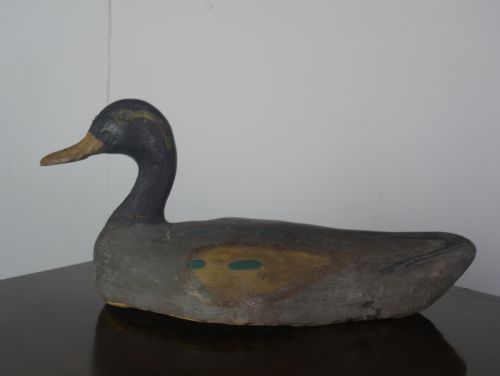
The pieces on this page are predominantly rendered as ducks, pigeons, and doves. These birds appear in pairs or as single figures, reflecting the everyday birdlife of the English countryside.
Most examples hail from the nineteenth century, the Edwardian era, and the early twentieth century. These objects bridge the gap between utilitarian rural equipment and sculptural decorative objects.
How they were made
Makers shaped these items from timber, pine, and carved wood using straightforward hand tools. The body is formed from solid blocks of wood, often finished with gesso to prepare the surface for pigment.
Makers applied hand-painted finishes to mimic the natural plumage of ducks and pigeons. Metal details sometimes appear as part of the construction or eye fittings, completing the form.
Object types recorded here include decorative objects, decoys, folk art, and decorative sculptures.
What varies in quality
The strength of the carving dictates much of the appeal, separating simpler pieces from those with genuine sculptural presence. Bold, confident knife work gives certain ducks and doves a striking silhouette.
The survival of the original painted surface also defines the character of each piece. Patina accumulated through age and use alters how the pigment sits on the timber, lending depth to the surface.
The Antique Sporting Decoy Glossary
- Decoy
- A carved or painted bird model used in hunting to attract live birds. These objects now survive as decorative sculptures.
- Folk art
- Art produced from an indigenous culture or peasant tradition, without academic training. English country folk art forms the dominant style for these carvings.
- Gesso
- A plaster-like mixture applied to wood as a base for paint. It provides a smooth ground for the hand-painted plumage.
- Dovecote
- A structure or shelter for domesticated pigeons or doves. Decoys associated with these buildings served specific rural functions.
- Patina
- The surface sheen and wear developed over decades of handling and exposure. It indicates genuine age on painted wood surfaces.
Antique Sporting Decoy: Frequently Asked Questions
What is an antique sporting decoy?
An antique sporting decoy is a hand-carved wooden bird used historically to lure game. Today, collectors value them as examples of English folk art sculpture.
These pieces typically date from the nineteenth and early twentieth centuries, reflecting rural working traditions.
Which birds do these decoys represent?
The listings on this page feature ducks, pigeons, and doves. These reflect the common quarry and wildlife of the English countryside.
Carvers focused heavily on waterfowl and pigeons, creating both single pieces and matched pairs.
How do I date an antique decoy?
Dating relies on the style of the carving, the type of timber used, and the wear on the paint. Pieces span the nineteenth century, the Edwardian period, and the nineteen-twenties and thirties.
Examining the base and surface preparation helps establish whether a piece belongs to the early twentieth century or earlier.