


Folk Art Bird Decoy
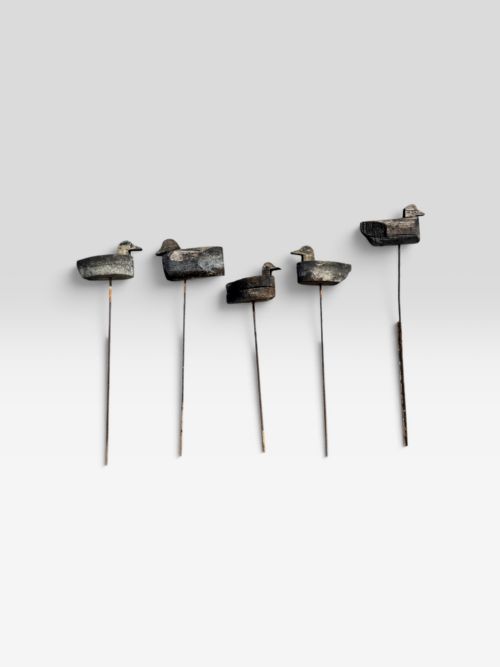
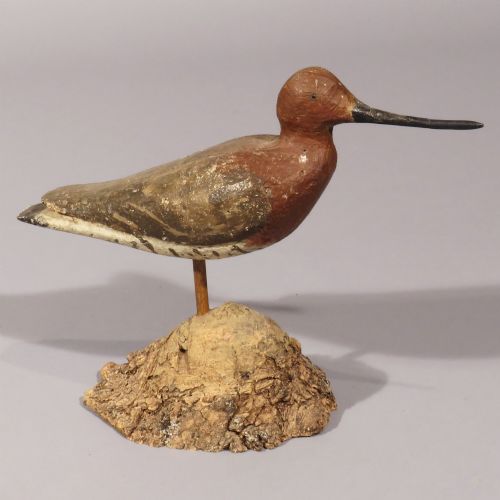
These folk art bird decoy examples are working country objects turned decorative sculpture, built to lure quarry and now kept for their rustic form.
Folk Art Bird Decoy
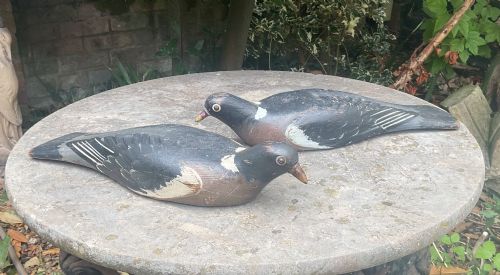
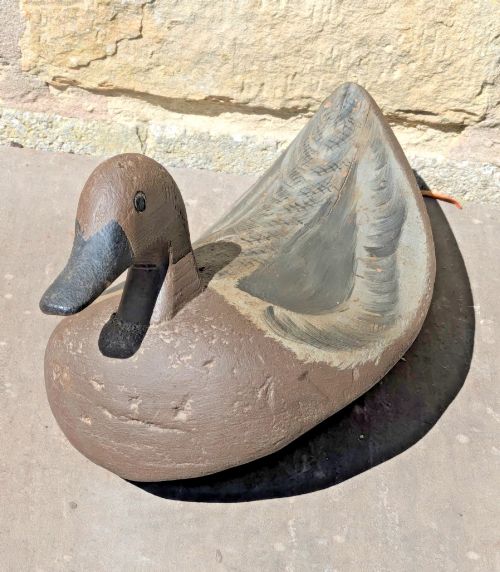
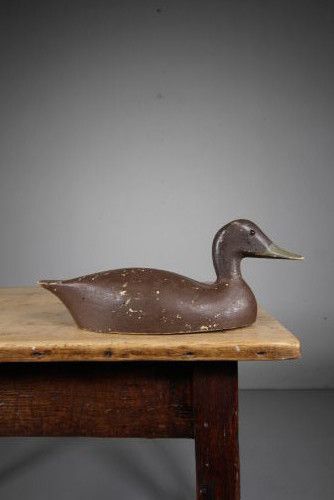
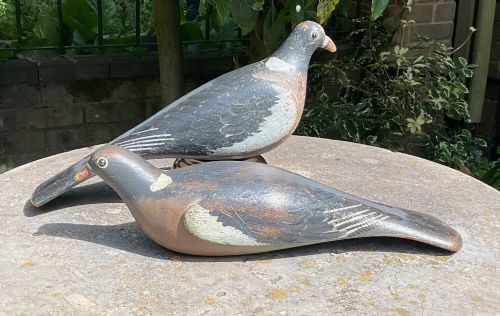
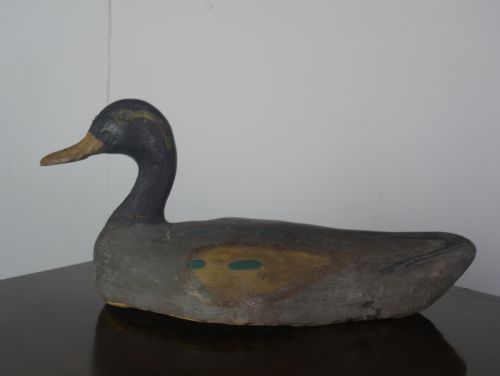
When you search for folk art bird decoy, you encounter working country birds shaped for rivers, fields and marshes from the nineteenth century into the twentieth century. These pieces encompass ducks, pigeons, geese, doves, loons, and gulls, alongside scarers and ducklings.
The selections here span English country pieces alongside continental examples like French decoys, reaching from the Victorian era through the Edwardian period and into the nineteen-thirties.
Most entries take the form of individual carved ducks and pigeons, while pairs, sets of three, and unusual groupings like a loon with her chick appear across the selection.
How they were made
Makers fashioned these sculptures primarily from timber, using carved wood, solid wood blocks, and bark. Certain unusual studies incorporate papier mâché and straw to build the body form.
Surface treatment relies heavily on hand-applied paint, capturing feather details and markings. Metal and iron components occasionally provide structural reinforcement or weighting, while glass eyes give a lifelike stare to the carved heads.
Listings for folk art bird decoy span the nineteenth century, the Edwardian era, and the nineteen-thirties, utilising paint, wood, bark, metal, and glass.
What varies in quality
The strength of a folk art bird decoy lies in the vigour of its carving and the character left by its working life. Pieces with bold, simplified shapes and deep tool marks often hold greater visual presence than overly finished examples.
Original surface pigment plays a major role in distinction, where untouched layered paint patinas distinguish pieces that retain their authentic exterior from those stripped or heavily restored.
The Folk Art Bird Decoy Glossary
- Folk art
- Objects created by self-taught or traditional craftsmen for practical use rather than fine art exhibition. These pieces rely on regional styles and functional utility.
- Decoy
- A carved or moulded figure shaped to attract birds or animals within range of a shooter. They range from floating water birds to land-based pigeons and doves.
- Dovecote
- A structure intended for housing doves or pigeons, influencing specialised decoy forms designed for estate use. These objects served utilitarian roles in country housekeeping.
- Bird scarer
- A functional device or carved figure placed in agricultural settings to deter nuisance wildlife from crops. They share materials and methods with standard shooting decoys.
- Patina
- The surface sheen and colour acquired by wood and paint through age, handling, and environmental exposure. This layer records the working history of the object.
Folk Art Bird Decoy: Frequently Asked Questions
What is a folk art bird decoy?
A folk art bird decoy is a utilitarian wooden carving originally made to attract wildfowl or pigeons during shooting. Makers shaped these objects by hand to mimic the silhouette and posture of various birds.
Over time, these working tools transformed into collected decorative sculptures valued for their rustic aesthetic and tactile qualities.
How were decoys used originally?
Hunters placed floating decoys on water surfaces or anchored land variants in fields to lure passing flocks within shooting range. Each species-specific form matched the local quarry pursued by country sportsmen.
After their working lives ended, many retained their original lead weights, mounting stakes, or tethering rings.
Where do these decoys originate?
The pieces originate primarily from English rural workshops, country houses, and occasional continental sources like France. Regional traditions influenced the specific carving styles and silhouette proportions.
Makers utilised local timbers and readily available workshop materials to build each sculpture.
How do I style a decoy at home?
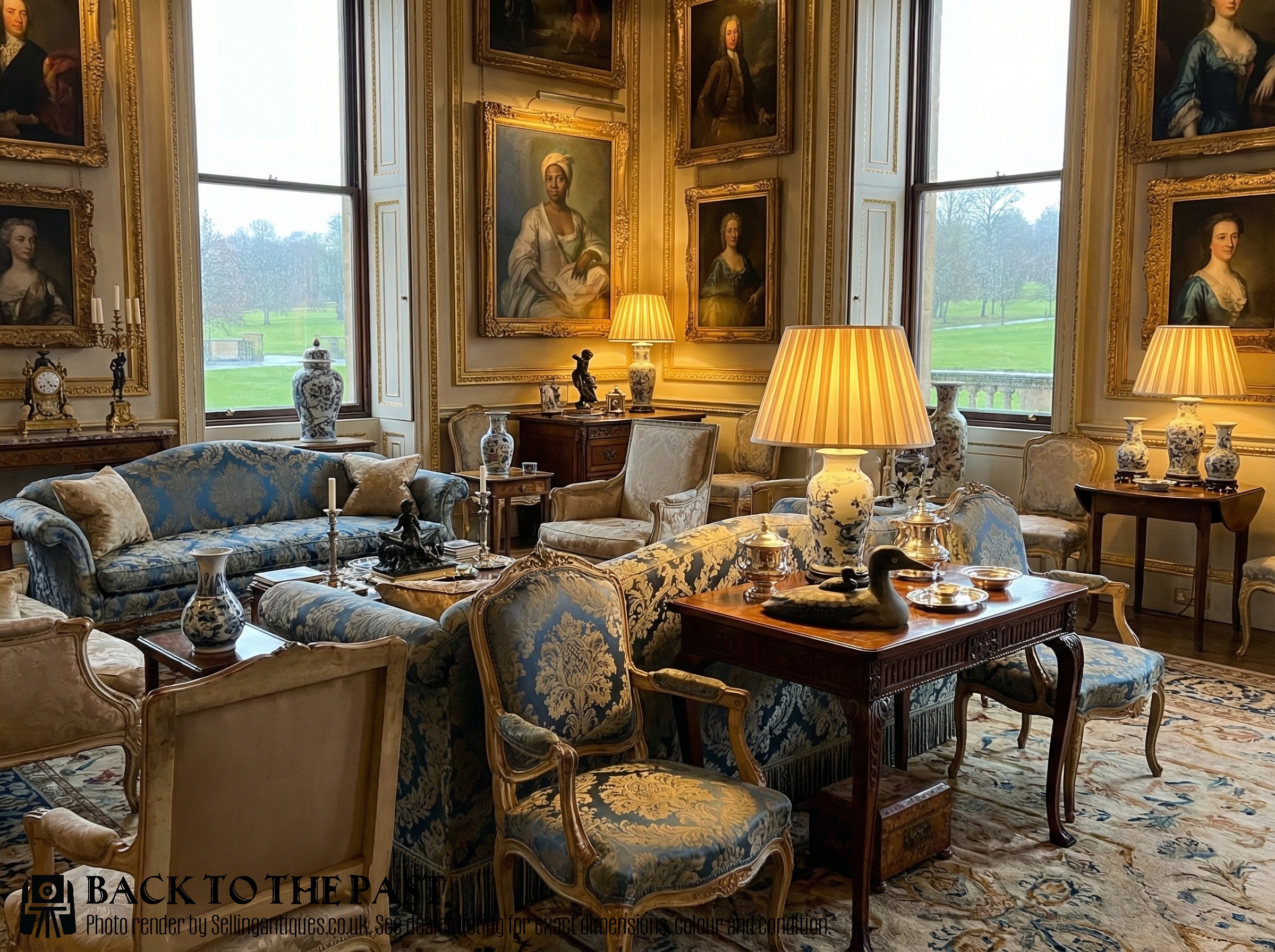
Decoys suit placement on bookshelves, sideboards, or mantelpieces where their sculptural silhouettes can be appreciated closely. Their neutral wood tones and muted painted surfaces complement both traditional and modern interiors.
Pairing single birds with complementary sets or placing them alongside natural objects highlights their country origins.
How do I tell the age of a decoy?
Age is determined by examining the tool marks left by carving implements, the type of timber used, and the composition of the paint layers. Nineteenth-century examples often display deep hand-adzed surfaces and worn patinas.
Edwardian and nineteen-thirties pieces tend to show different paint formulations and slightly more standardised body contours.