


Painted Wooden Bird Decoy
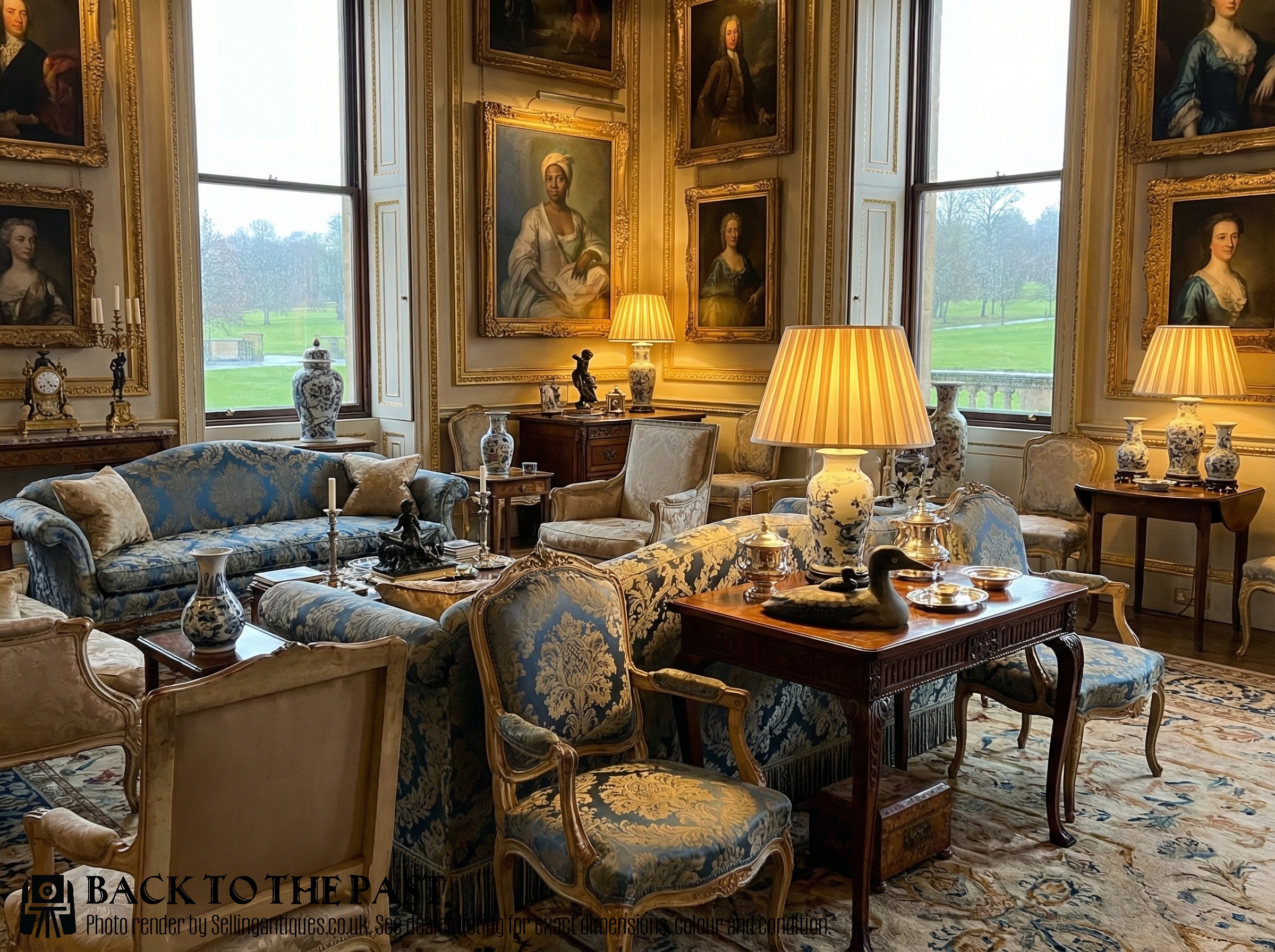
A painted wooden bird decoy brings the texture of rural field sports indoors, offering carved folk art presence in a simple room.
Painted Wooden Bird Decoy
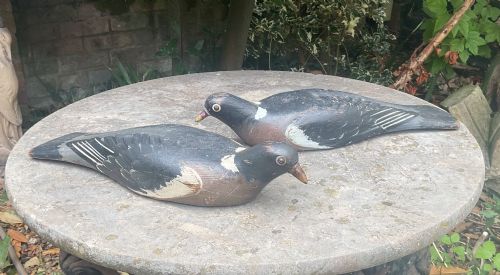
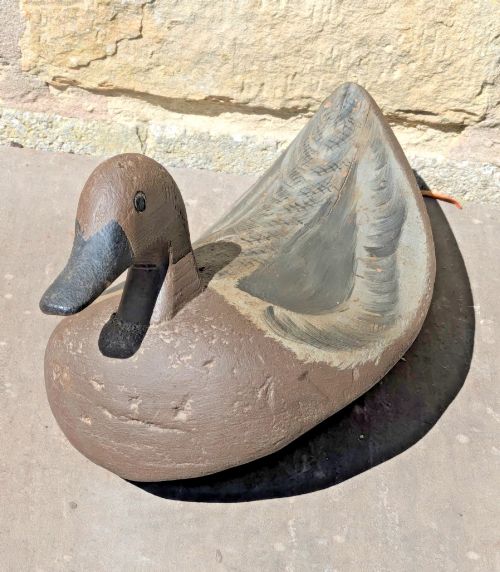
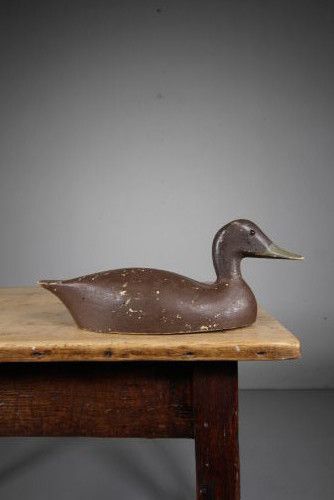
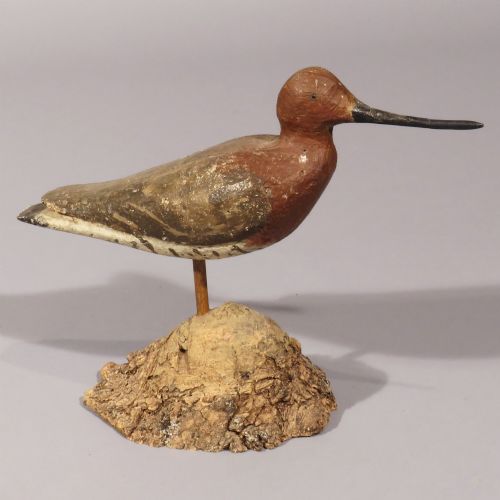
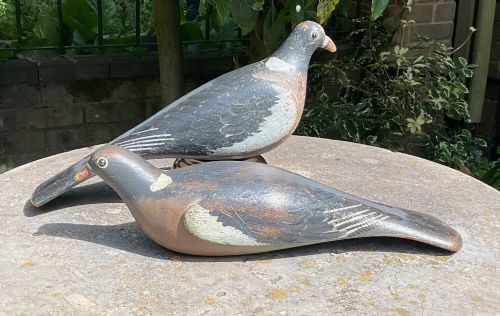
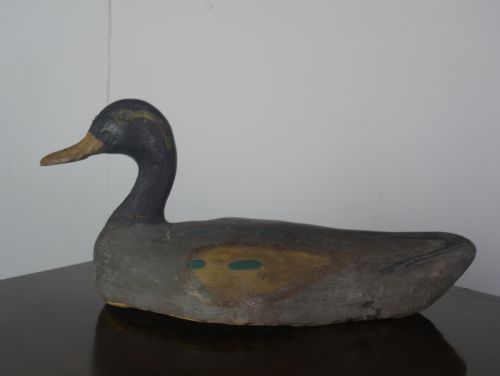
When you search for a painted wooden bird decoy, you encounter working objects carved to lure waterfowl or pigeons, originating predominantly from the nineteenth century through the nineteen-thirties. The pieces appearing here span duck, pigeon, goose, dove, godwit, and loon forms, fashioned in English country workshops.
You meet pairs, sets of three, and individual birds shaped from timber and finished with brushwork. These decorative sculptures embody English folk art traditions from the Edwardian era and earlier decades, serving as sculptural ornaments today.
The objects range from large early twentieth-century examples to nineteenth-century country house dovecote pieces. Each carved bird reflects the utilitarian origins of field equipment repurposed as decorative folk art.
Materials and construction methods
Carvers shaped these decoys from solid wood and timber, often incorporating bark and gesso to build surface texture. Makers utilised hand tools to form the bodies of ducks, geese, and pigeons before applying paint layers.
Surfaces received hand-painted decoration to simulate plumage, sometimes finished with glass eyes for realism. Metal components occasionally appear in the construction or mounting of these carved wooden sculptures.
Listings feature wood, timber, bark, gesso, metal, and glass elements across nineteenth-century and early twentieth-century periods.
Distinctions in craftsmanship and preservation
Quality rests in the sculptural vigour of the carving and the preservation of original paint surfaces. Pieces with undisturbed historic brushwork and expressive silhouettes stand apart from examples with later overpainting or heavy restoration.
The depth of character in forms such as loons with chicks or multi-bird sets elevates the visual weight of the grouping. Integrity of the timber and the honesty of wear mark the distinction between ordinary workshop output and compelling folk art.
The Painted Wooden Bird Decoy Glossary
- Decoy
- A carved and painted bird figure originally utilised to attract wildfowl or pigeons during shooting. These objects are now collected as decorative folk art sculptures.
- Folk art
- Utilitarian and decorative objects made by self-taught or traditional craftsmen outside formal academic traditions. This style defines the unpretentious character of country pieces.
- Gesso
- A plaster-like mixture applied to wooden surfaces to prepare them for painting. Makers utilised this material to smooth or texture the body before applying pigment.
- Edwardian
- Pertaining to the reign of King Edward VII, spanning the early years of the twentieth century. Pieces from this period display traditional country craftsmanship.
Painted Wooden Bird Decoy: Frequently Asked Questions
What birds do decoys represent?
The selection includes ducks, geese, pigeons, doves, godwits, and loons. These species reflect the birds hunted or kept in English country settings.
Carvers focused on waterfowl and field birds, producing single figures as well as pairs and sets of three.
How old are these decoys?
The pieces date from the nineteenth century through the nineteen-thirties. Many originate from the Edwardian period and around nineteen hundred.
Earlier examples from the nineteenth century carry the patination of long use in rural environments.
How should I display them?
Decoys suit placement on mantels, shelves, or side tables as sculptural folk art objects. Their simple wooden forms complement both traditional and modern interiors.
Pairs and sets allow for grouped arrangements that highlight variations in size and painted surface.