

Antique Wooden Bird Carving
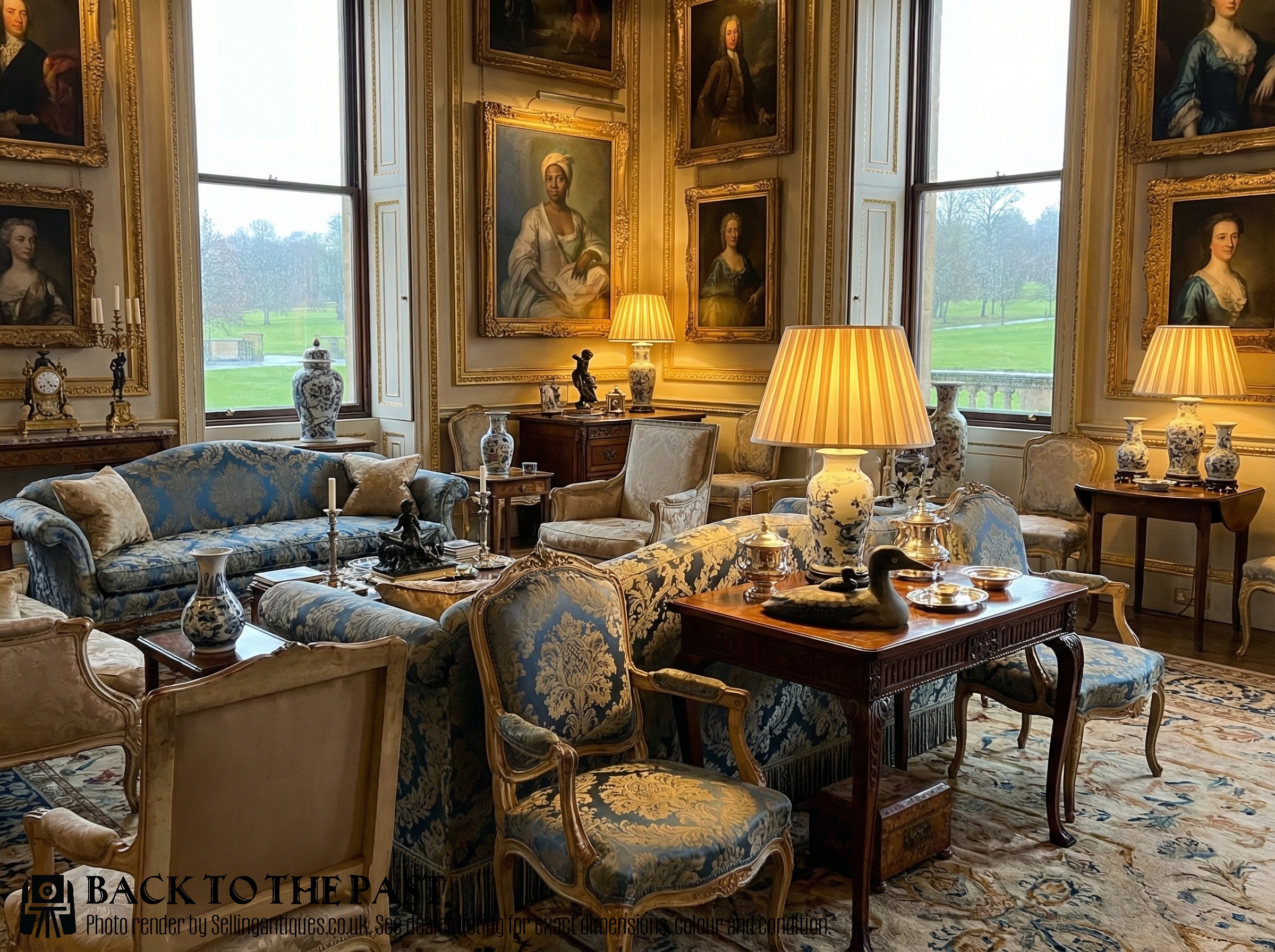
These antique wooden bird carving pieces bring naturalism and rustic charm indoors through carved timber forms.
Antique Wooden Bird Carving
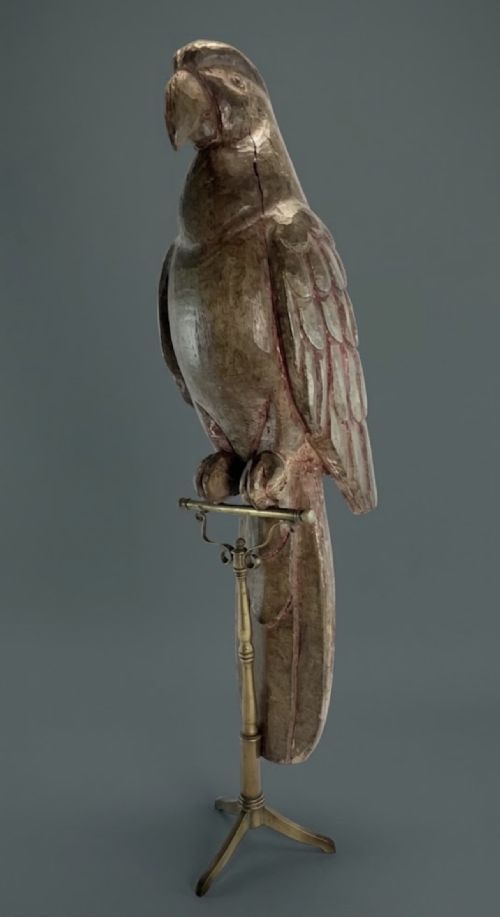
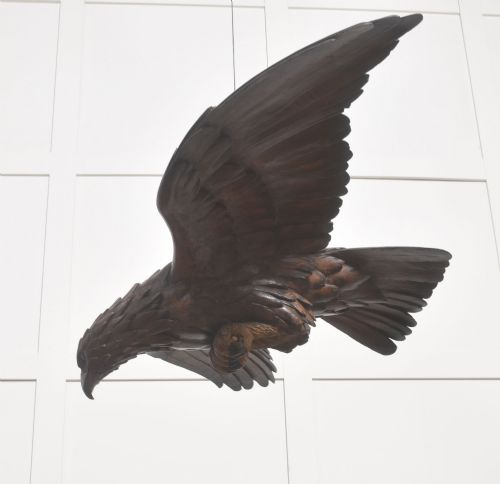
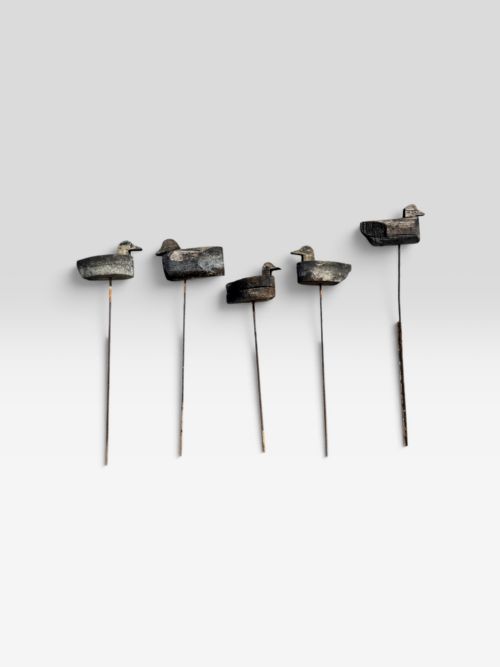
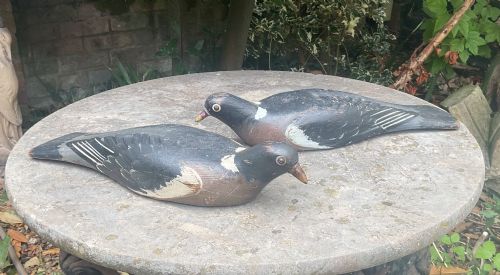
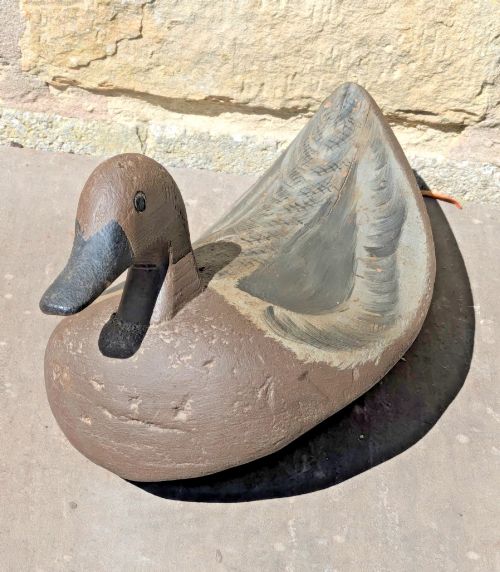
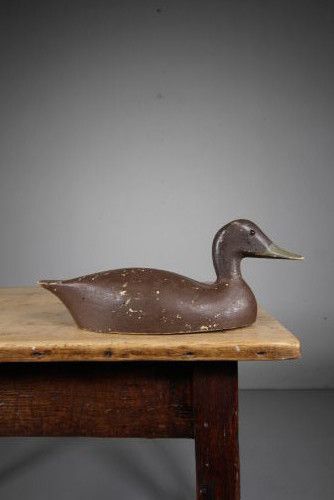
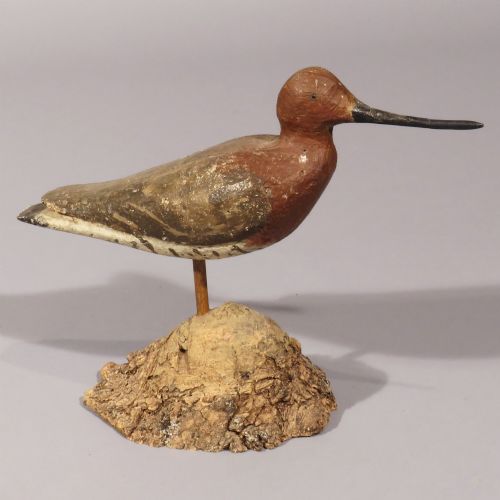
An antique wooden bird carving represents avian forms shaped from timber, ranging from functional waterfowl decoys to ornamental wildlife sculptures. These figures emerge primarily from the nineteenth century and the early twentieth century, spanning English, American, Swedish and continental European origins. When exploring antique wooden bird carving examples, buyers frequently encounter working decoys alongside decorative mantel and wall sculptures.
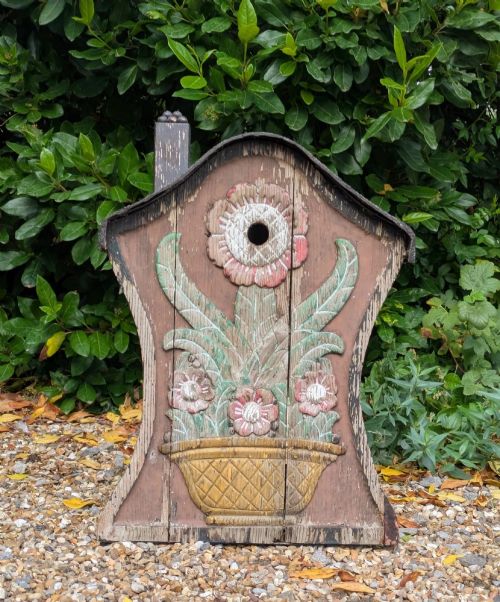
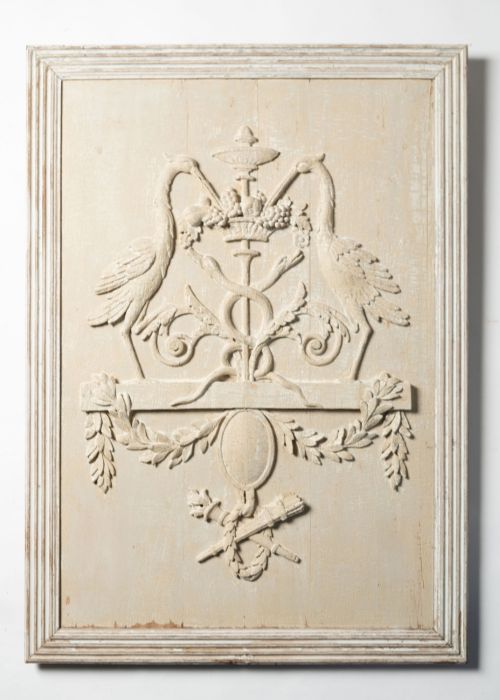
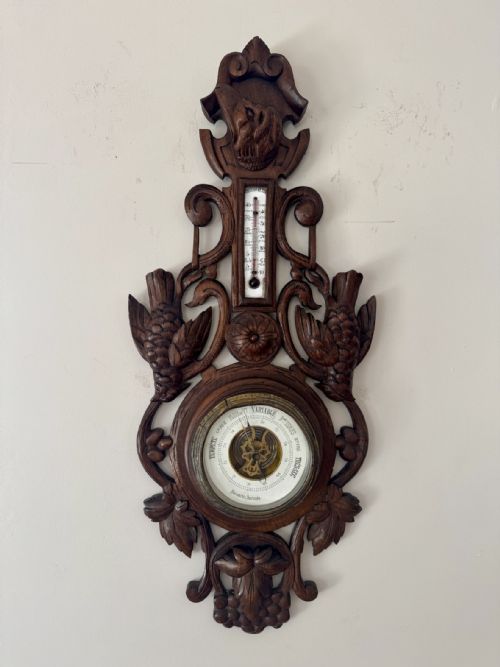
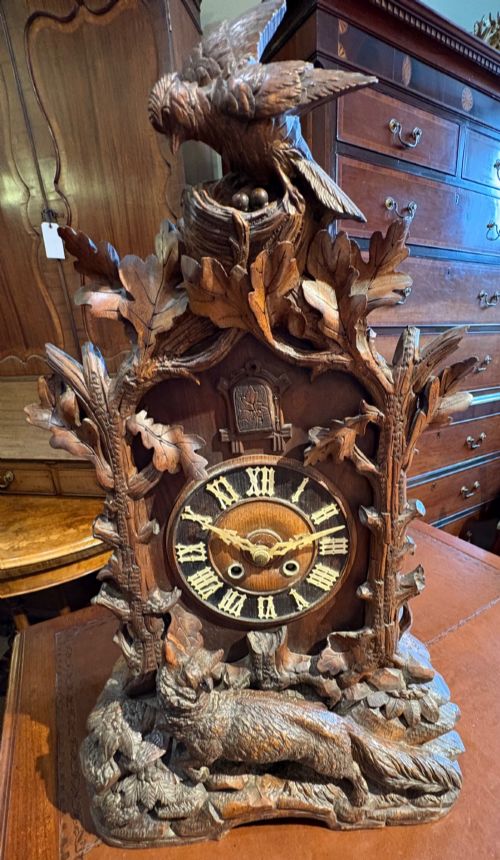
The selection includes specific regional archetypes such as Black Forest eagles, owls and parrots, alongside hand-painted decoy ducks, pigeons and geese. Folk art traditions heavily influence these avian representations, showing distinct regional carving habits and tool marks. Smaller handheld items like snuff boxes and treen incorporate bird motifs alongside larger decorative mirrors and clock crestings.
Materials and construction methods
Carvers shaped these figures from various timbers including hardwood, walnut and local pines, often applying layered paint or natural wax finishes. Tool execution relies on gouges and knives to delineate feather textures, wing positions and anatomical contours.
Glass eyes frequently appear in biological and decoy subjects to increase realism, while mounted pieces utilise brass stands or metal fittings to secure the wooden body.
Periods represented span the Victorian era, Edwardian period and the early twentieth century.
Evaluating craftsmanship and condition
Superior examples display anatomical accuracy combined with confident tool work that captures posture and movement without stiffness. The crispness of carved feather details and the retention of original surface paint heavily influence the desirability of a piece.
The integration of glass eyes, balanced proportions and untouched patination distinguish master carvers from standard utilitarian workshop production.
The Antique Wooden Bird Carving Glossary
- Decoy
- A carved and painted wooden bird utilised by hunters to attract waterfowl. These working objects form a major category of folk art sculpture.
- Treen
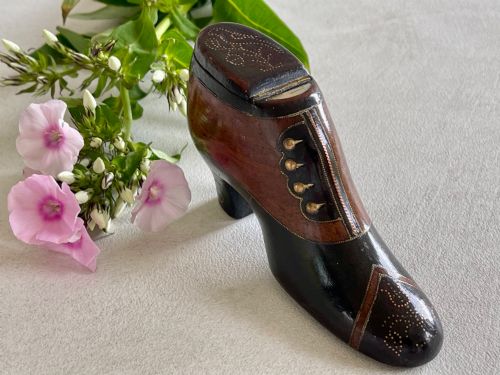
- Small handmade wooden domestic objects. Examples include carved snuff boxes and small boxes featuring avian decorations.
- Black Forest
- A nineteenth-century carving style originating from the Swiss and German border region. This style is known for naturalistic animals, birds and foliage executed in rich walnut or limewood.
- Folk art
- Utilitarian or decorative items created by self-taught or provincial artisans. These pieces prioritise regional tradition and individual expression over academic rules.
Antique Wooden Bird Carving: Frequently Asked Questions
How do I identify a working decoy?
Working decoys typically exhibit lead ballast weights or anchor line attachments on the underside, designed to keep them upright in water. Their surfaces often show heavy weathering and multiple layers of working paint.
In contrast, decorative pieces lack these functional modifications and display cleaner finishes suited for interior display.
What defines Black Forest carvings?
Black Forest carvings originate from Central Europe during the Victorian era and focus heavily on local wildlife. These pieces feature deep undercutting and realistic textures rendered in dark walnut.
Common subjects include bears, owls, eagles and elaborate cuckoo clocks or wall mirrors.
How should I clean carved wood?
Dust wooden surfaces gently with a soft, dry brush to prevent dirt accumulation within carved feather grooves. Avoid using liquid polishes or water, which can damage aged paint and dry timber.
Maintain stable indoor humidity levels to prevent the wood from cracking.
Are painted surfaces original?
Original paint exhibits natural craquelure, fading and wear consistent with age. Ultraviolet light examination can help reveal later overpainting or touch-ups.
Untouched original surfaces command higher interest among collectors than restored examples.