


Vintage Wildfowl Decoy
These vintage wildfowl decoy pieces bring rustic charm and hand-painted character directly from the water into your interior spaces.
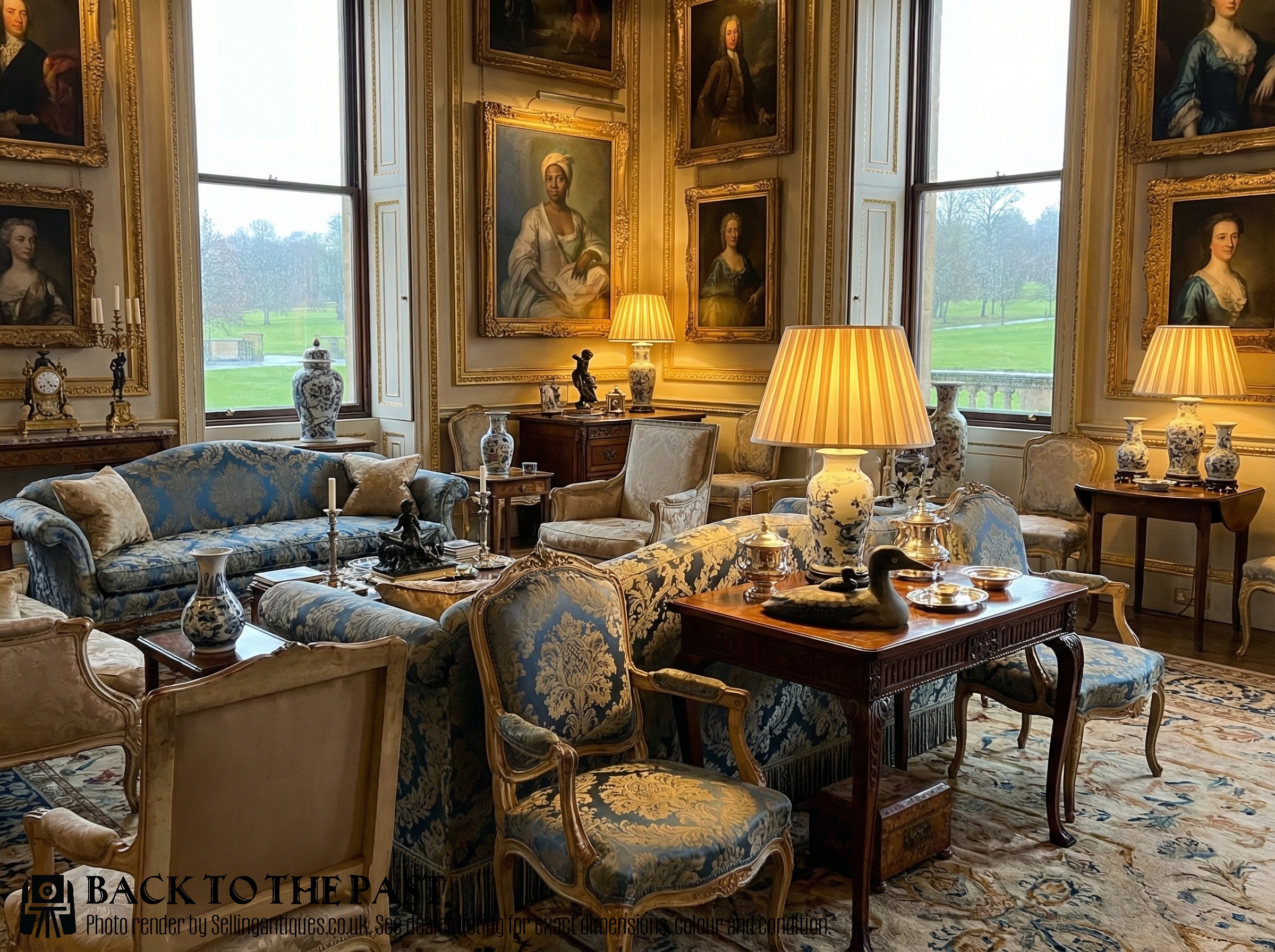
Vintage Wildfowl Decoy
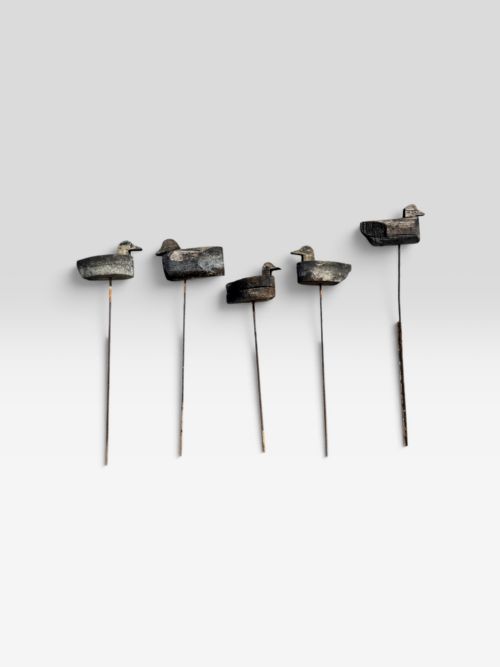
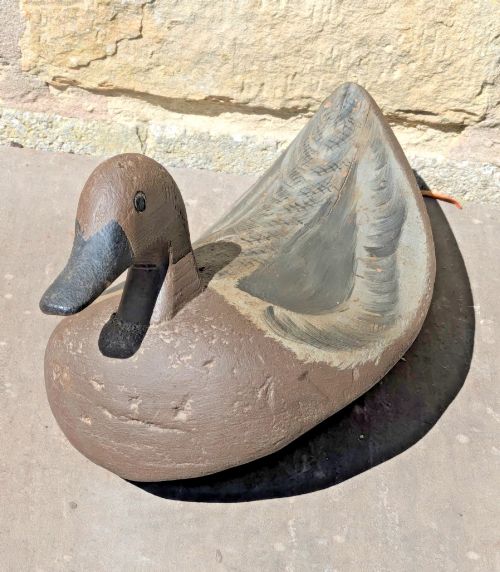
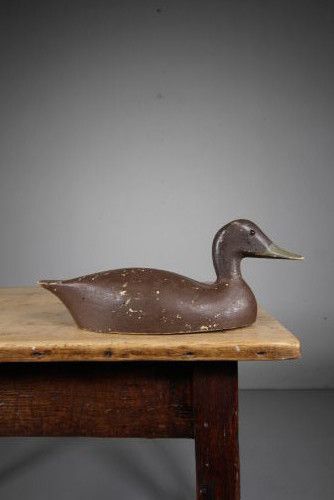
When you search for a vintage wildfowl decoy, you are looking at functional shooting equipment transformed into sculptural folk art. These items represent working objects shaped from timber to lure water birds, carrying the distinct marks of field use.
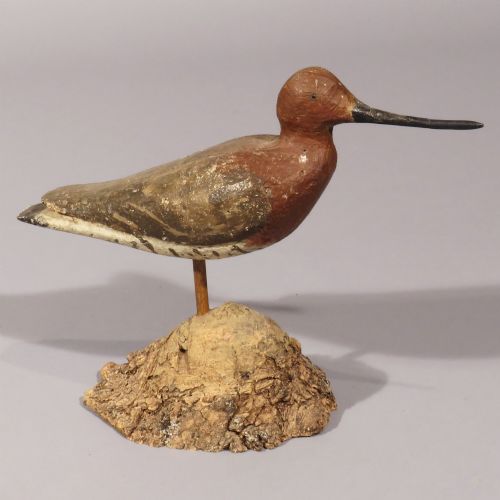
The pieces you are most likely to meet on this page span from the nineteenth century through the nineteen-thirties. They take forms such as decoy ducks, black-tailed godwits, American loons with chicks, and other water birds.
Originating from English, French, and broader traditions, these carvings bridge the gap between utilitarian craftsmanship and decorative sculpture. Their presence in a room grounds the space with tangible history and coastal craft traditions.
How they were made
Maker-carvers shaped these objects primarily from wood, timber, pine, and bark, relying on hand tools to carve the solid forms of ducks and water birds. Secondary elements sometimes incorporate iron fittings and glass eyes to enhance the lifelike appearance of the decoy.
Surface decoration relies heavily on hand-applied paint, which builders layered onto the carved wooden bodies to mimic natural plumage. Over decades, this pigment weathered through exposure to water and weather, creating the characteristic patinated surfaces seen today.
Surviving objects on this page date from the nineteenth century through the Edwardian era up to the nineteen-thirties.
What varies in quality
The distinction between standard utility carvings and superior examples rests in the expressive silhouette and the confidence of the initial timber shaping. Master carvers captured the alert posture and specific anatomical traits of different water birds with notable economy of line.
Surface preservation and the integrity of the original paint layers dictate the visual impact of each piece. Surviving pigment with honest weathering holds greater appeal than heavy later restoration, maintaining the genuine character of the working decoy.
The Vintage Wildfowl Decoy Glossary
- Decoy duck
- A carved and painted floating or land-based bird figure utilised by hunters to attract live flocks. These objects form the core of the items gathered here.
- Folk art
- Utilitarian items made by self-taught or traditional craftspeople rather than academic sculptors. This aesthetic defines the rustic appeal of the selection.
- Patina
- The surface sheen and colour alteration developed through age, handling, and environmental exposure. It serves as a key indicator of genuine age on painted timber surfaces.
- Timber
- The raw wood material selected by carvers before shaping into bird forms. Different species provided varying weights and durability for water use.
Vintage Wildfowl Decoy: Frequently Asked Questions
What are decoy ducks?
Decoy ducks are carved wooden figures historically used by hunters to lure wild birds onto the water or near the shore.
Today, collectors value them purely as decorative sculptures and examples of traditional folk art.
How were old decoys used?
Shooters placed these wooden birds on lakes and marshes to trick passing flocks into landing nearby.
Their simple, buoyant forms were weighted or anchored to bob naturally on the surface of the water.
How do I style a decoy?
These wooden birds sit well on bookshelves, sideboards, or mantels where their sculptural silhouettes can be appreciated up close.
Pair them with natural textures like stone, unpainted wood, and textiles to highlight their rustic origins.
How do I date a decoy?
Dating relies on examining the tool marks left on the timber, the style of the carving, and the composition of the paint layers.
Pieces from the nineteenth century often show softer hand-carved contours compared to later twentieth-century examples.