
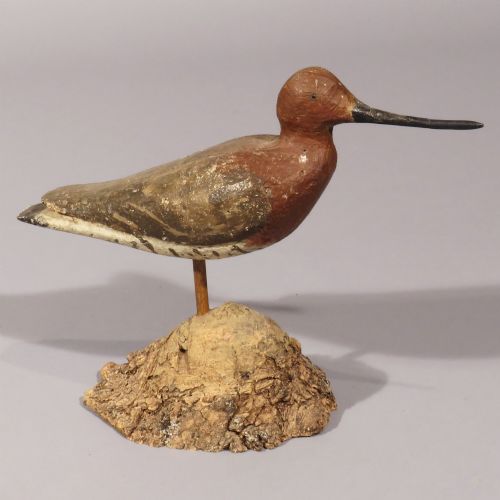
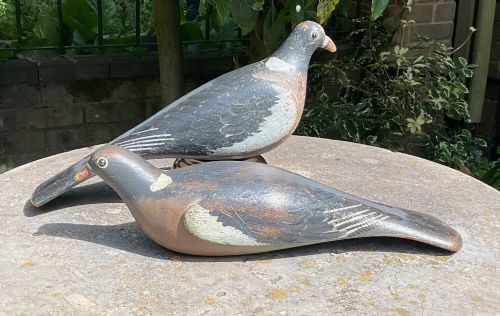
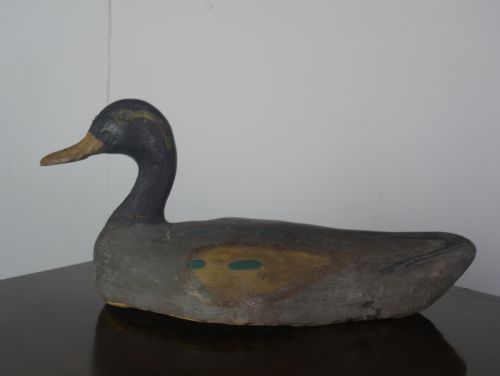


Carved Timber Decoy
A carved timber decoy brings rugged coastal character and rich folk art presence straight into a modern interior.
What They Are
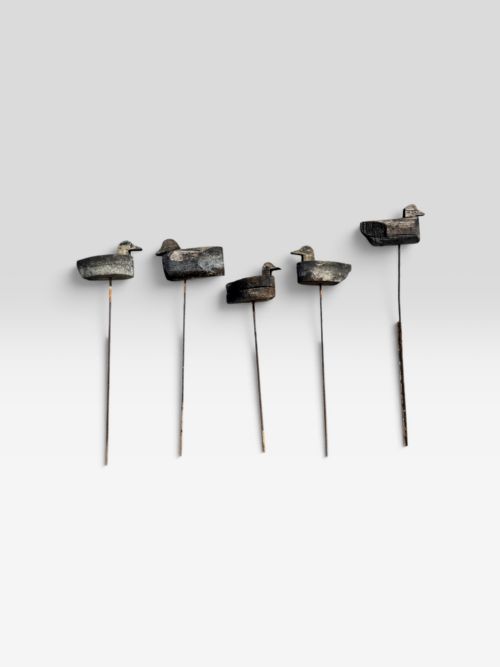
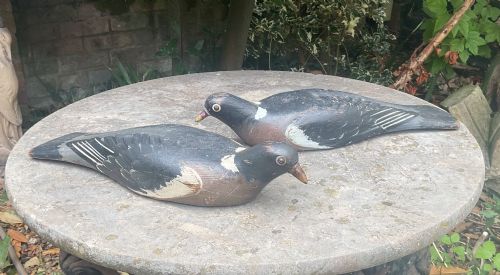
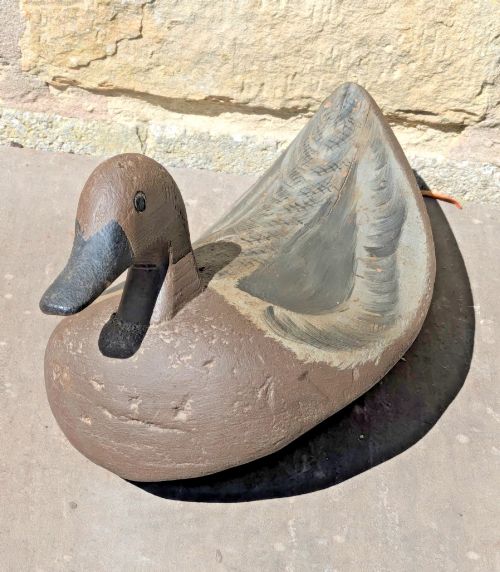
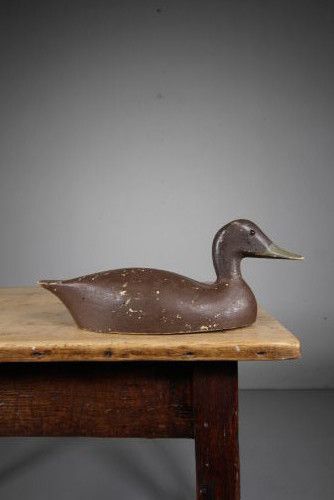
A carved timber decoy is a functional sporting object transformed by age and handling into a sculptural piece of folk art. Buyers seeking a carved timber decoy typically encounter items shaped as ducks, geese, and pigeons intended originally for shooting waterbirds or fowl. These utilitarian items emerge from the nineteenth century, the Edwardian era, and the early twentieth century.
The objects on this page span several specific forms, including pairs of painted wood decoy pigeons from around nineteen hundred, single decoy ducks, and a nineteenth-century goose. Many carry the distinct label of English folk art sculpture. Each piece reflects the functional requirements of shooting alongside the vernacular carving traditions of its maker.
How They Were Made
Makers shaped these objects using wood, pine, and solid timber, often relying on hand-carving tools to establish the body and head forms. The resulting wooden surfaces display tool marks and weathering that reflect the original working life of the decoy.
Paint was applied directly to the carved wood to simulate natural plumage, utilising layered pigments that have since aged and worn. Surviving examples retain remnants of this hand-painted surface, which defines their visual texture today.
Retail Price Guide 2026
Typical UK retail prices for carved timber decoy, calculated from the Sellingantiques database of over a million retail prices indexed since 2003. This retail price guide relies exclusively on Sellingantiques data; no external sources or auction records are used, so the figures do not describe the wider market.
Materials recorded across the selection are limited to paint, wood, carved wood, pine, and general timber.
What Varies in Quality
Quality in these objects rests in the strength of the initial carving and the character of the surviving paint surface. Stronger examples display confident, simplified forms that capture the silhouette of the bird with economy and vigour.
The degree of original pigment remaining and the natural patina acquired through age distinguish simpler pieces from those with greater visual presence. Surface wear that tells a coherent story of use elevates the overall appeal of a piece.
The Carved Timber Decoy Glossary
- Decoy
- A carved or moulded figure used to attract wild fowl or pigeons within shooting range. These utilitarian objects are now collected as decorative sculptures.
- Folk art
- Art produced from an indigenous culture or peasant society, encompassing utilitarian objects made by self-taught makers. In this context, it describes working decoys valued for their vernacular aesthetic.
- Pine
- A softwood commonly utilised in traditional woodworking and carving due to its accessibility and workability. Many decoy bodies are formed from this accessible material.
- Patina
- The surface sheen and colour developed by wood and paint over decades of handling and exposure. It serves as a visual indicator of age and authenticity.
Frequently Asked Questions
What is a carved timber decoy?
A carved timber decoy is a traditional wooden object originally utilised by shooters to attract wild birds. Makers shaped these pieces from wood and pine before applying hand-painted finishes to mimic real plumage.
Today, collectors value these items as decorative sculptures and examples of folk art. Their appeal lies in their sculptural form and the weathered surfaces developed over time.
How old are these decoys?
The pieces available date from the nineteenth century, the Edwardian period, and the early twentieth century. Specific items originate around nineteen hundred, nineteen twenty, and nineteen thirty.
Age is determined through the construction methods, the type of wood employed, and the characteristics of the paint. Each era carries distinct stylistic traits in its carving.
Were these made in England?
Several examples originate specifically from English folk art traditions. These pieces reflect local carving methods and domestic bird species such as pigeons, ducks, and geese.
English decoys often utilise native timbers like pine and straightforward hand-tool techniques. Their forms align with regional sporting practices of the period.
How should I display a decoy?
Decoys function well as standalone decorative objects on mantelpieces, bookshelves, or side tables. Their sculptural silhouettes and painted surfaces contrast effectively with contemporary interiors.
Place them away from direct heat sources and strong sunlight to protect the historic wood and paint. Simple dusting is generally sufficient to maintain their appearance.