
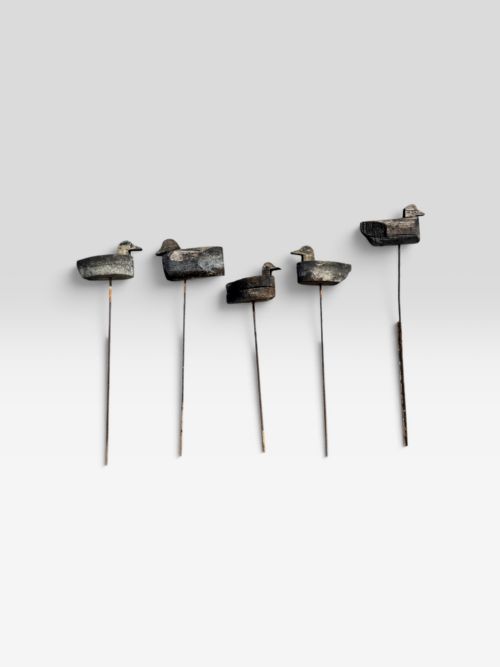
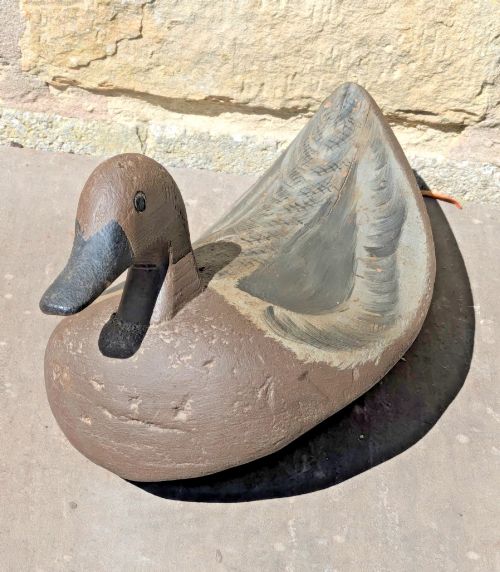
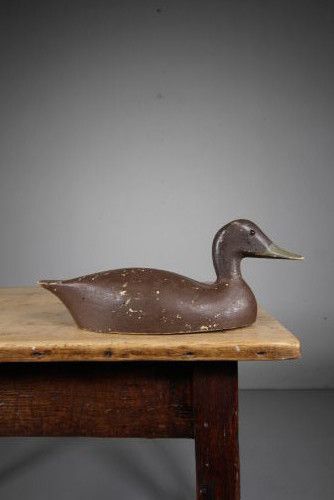
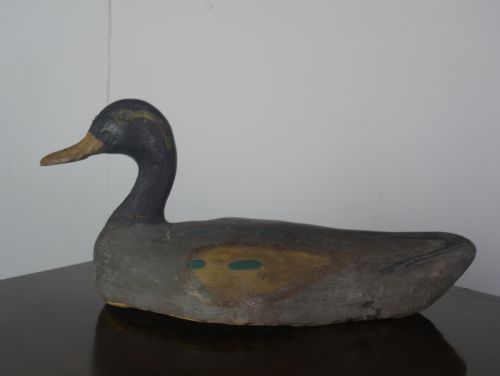


Carved Wooden Duck
These carved wooden duck pieces combine rustic utility with decorative charm, offering buyers authentic handcrafted specimens from various centuries and origins.
Carved Wooden Duck
When you search for carved wooden duck pieces, you find utilitarian decoys alongside decorative sculptures shaped from timber and painted wood. The selection ranges widely from nineteenth century English pieces to French provincial items and Chinese hardwood carvings.
You are most likely to meet traditional decoy ducks carrying traces of old paint and working wear. These pieces span periods from the Edwardian era through the nineteen thirties, reflecting practical sporting origins.
Alongside working decoys, the listings include ornamental pairs and sculptural representations such as loons with chicks. These objects bridge the gap between functional waterfowling gear and folk art display pieces.
How they were made
Maker's workshops relied principally on timber and carved wood, shaping blocks by hand before applying decorative paint layers. Many surfaces retain their original pigment, showing the brushmarks and weathering of active use.
Selected examples incorporate contrasting media such as glass eyes or iron fittings to enhance realism. These additional elements demonstrate how makers moved beyond simple carving to create convincing water bird likenesses.
At least one mother loon on this page carries her chick along for the ride, proving that wooden birds appreciate family outings too.
What varies in quality
Quality rests in the vigour of the carving and the preservation of original painted surfaces. Strong forms with untouched pigment command greater attention than heavily restored or later repainted examples.
The sophistication of the silhouette and the subtlety of the tool marks distinguish individual maker outputs. A balanced stance and convincing anatomical proportions separate ordinary work from superior sculptural folk art.
The Carved Wooden Duck Glossary
- Decoy
- A carved or moulded figure used by sportsmen to attract wild birds. Traditional examples display weighted bases or keel attachments for water stability.
- Folk Art
- Objects created by self-taught or traditional artisans working outside formal academic traditions. These pieces prioritise practical function and expressive design over strict anatomical precision.
- Sancai Glaze
- A three-colour ceramic glaze technique historically associated with Chinese pottery traditions. It creates mottled green, amber and cream effects across glazed surfaces.
- Pedestal Torchere
- A tall ornamental stand designed to support lamps, vases or sculptures. They elevate display objects within a traditional room setting.
Carved Wooden Duck: Frequently Asked Questions
What is a decoy duck?
A decoy duck is a wooden or painted carving originally utilised by hunters to lure waterfowl onto open water. Over time, these working implements transitioned into collected works of folk art.
Today, they are displayed on shelves and tables purely for their rustic visual appeal.
How do I date a wooden duck?
Dating relies upon examining the tool marks left by the maker, the type of timber utilised, and the composition of the paint layers. Surface wear and oxidation on the wood provide further clues to age.
Comparing construction methods with dated examples in historical records helps narrow the period of origin.
Where should I display my carved duck?
These pieces suit placement on mantelpieces, bookshelves, sideboards or pedestals where their sculptural form can be appreciated. They integrate naturally into both traditional country house interiors and eclectic modern spaces.
Keeping them away from direct sunlight protects fragile historic paint finishes from fading.
Are all carved ducks English?
The selection includes pieces from English workshops alongside French provincial items and Chinese hardwood carvings. Each regional tradition employs distinct carving techniques and regional timber species.
This variety allows collectors to focus on specific geographic styles or build diverse comparative groupings.