


Hand Carved Wildfowl
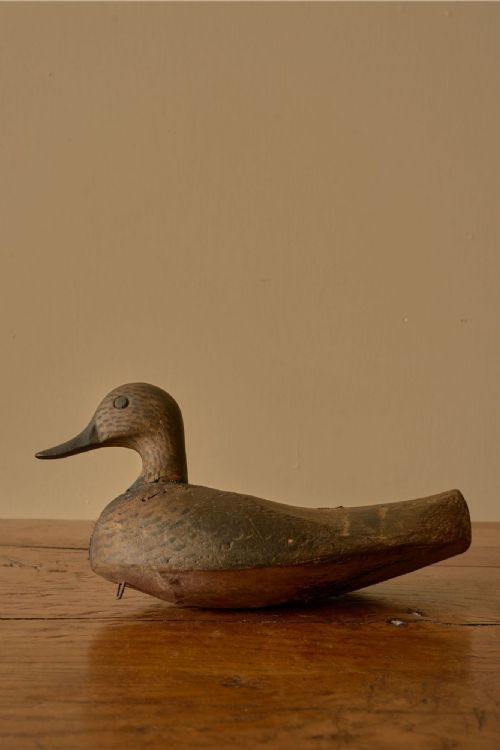
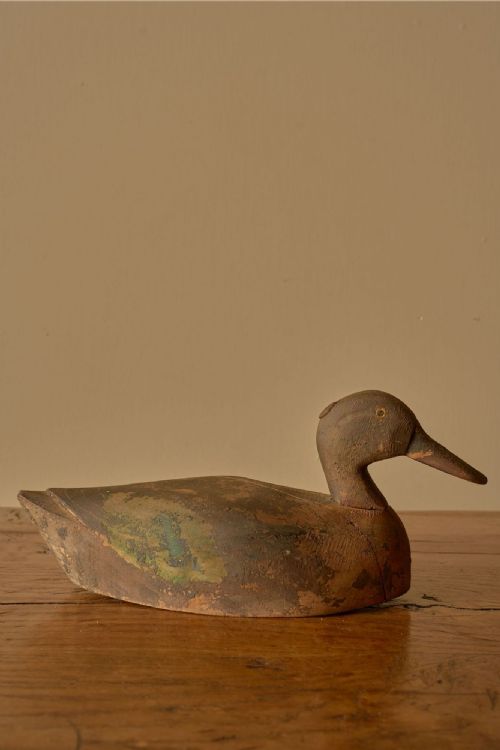
Hand carved wildfowl are tactile wooden birds made as working decoys that bring genuine folk art character into a modern interior.
Hand Carved Wildfowl
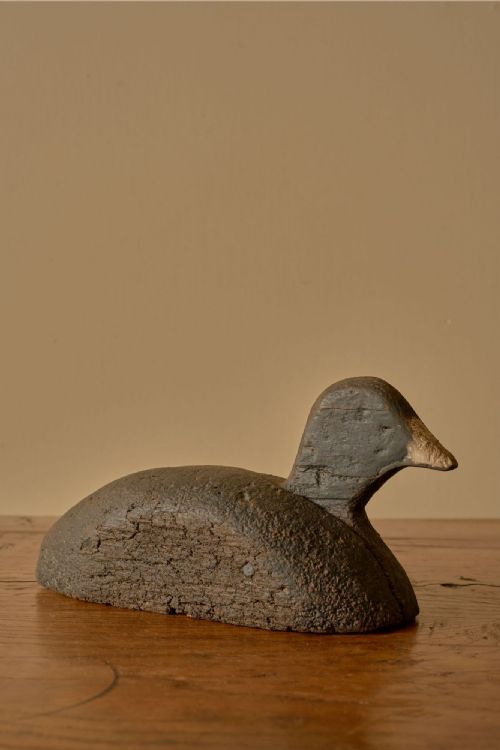
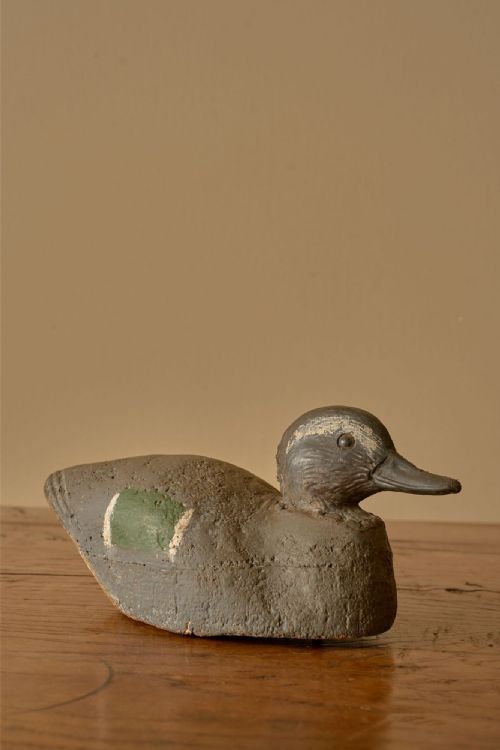
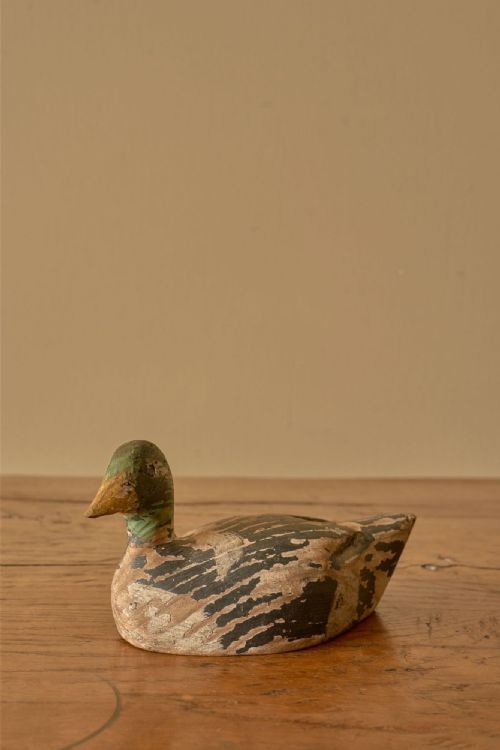
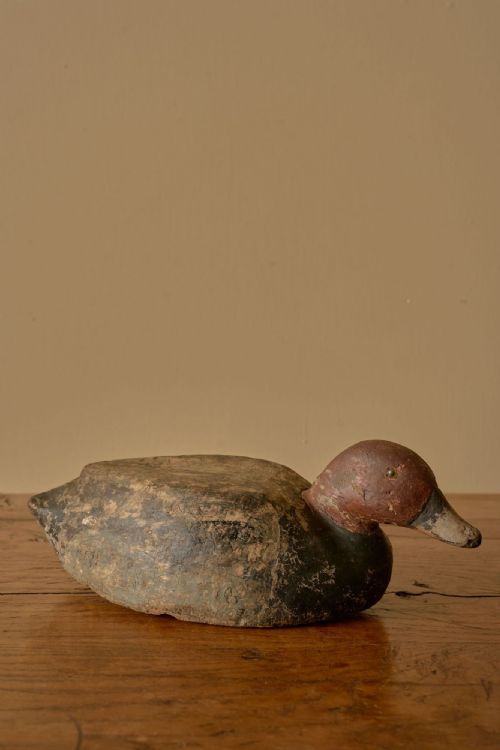
When you search for hand carved wildfowl, you find working decoy ducks and water birds shaped by hand for use on the water. The pieces here span the nineteenth century, the Edwardian era, and the nineteen-twenties and thirties, representing a long tradition of utilitarian folk art.
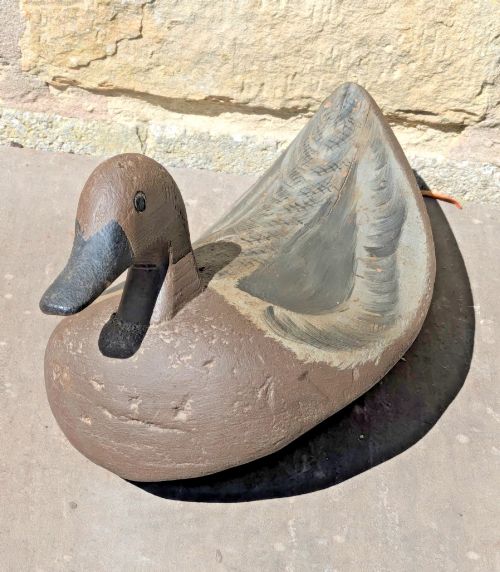
You are most likely to meet wooden decoy ducks rendered in pine and timber, alongside specific species like the American loon and the black tailed godwit. These examples originate from English and French makers who shaped the bodies to sit low and steady on the water.
Most items on this page function as decorative sculptures and decorative objects rather than working gear today. Their appeal lies in the weathered surfaces and honest construction that mark them out as traditional folk art.
How they were made
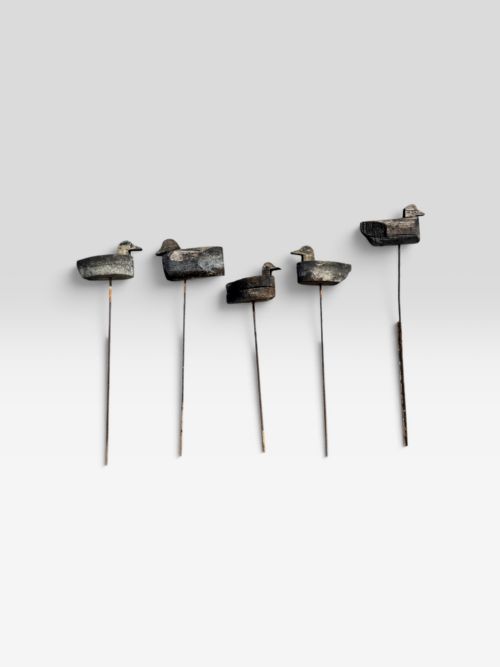
Makers fashioned these water birds primarily from carved wood, pine, and timber, often incorporating bark and iron components for ballast or structural reinforcement. The body blocks were shaped with hand tools to achieve realistic buoyancy and naturalistic floating postures.
Surfaces received layers of hand applied paint that weathered with exposure to water and sun during their working lives. Glass eyes were occasionally inserted to enhance the lifelike expression of the decoy on the water.
Some working decoys include a carved wooden chick riding atop the mother loon, preserving a touching moment of pond life in solid timber.
What varies in quality
The strength of the carving and the integrity of the original paint layer determine the standing of an individual piece. Figures that retain their authentic working patina and untouched surface texture carry greater visual weight.
Proportion and silhouette distinguish a superior decoy from a simpler production piece. The most successful examples show confident handling of the head angle and body volume within the folk art tradition.
The Hand Carved Wildfowl Glossary
- Decoy duck
- A floating wooden bird carved and painted to attract live fowl during shooting. These working objects now form a recognised category of antique folk art.
- Folk art
- Utilitarian items made by self taught or traditional craftspeople rather than professional fine artists. This style values honest construction and practical function over academic precision.
- Edwardian
- Dating from the reign of King Edward VII between nineteen hundred and nineteen ten. Pieces from this period often display refined surface finishing.
- Ballast
- Weight added to the underside of a decoy to keep the bird upright in choppy water. Iron fixings were frequently utilised for this purpose.
- Patina
- The surface sheen and colour variation developed through age, handling, and exposure to the elements. Collectors value an undisturbed surface over a stripped finish.
Hand Carved Wildfowl: Frequently Asked Questions
What is a decoy duck?
A decoy duck is a wooden carving historically placed on water to lure wild birds within range of hunters. These working objects were shaped from timber and painted to mimic live waterfowl.
Today, they are collected and displayed as decorative sculptures. Their simple forms and weathered surfaces fit naturally into modern interiors.
How old are these carved birds?
The examples on this page date from the nineteenth century through the early decades of the twentieth century, including the Edwardian period and the nineteen-thirties.
Age is determined by the style of the carving, the materials used, and the composition of the paint layers. Working pieces from this era show genuine signs of use on the water.
Are these decoys made of wood?
Most pieces are constructed from carved wood, pine, and timber, sometimes featuring applied bark or iron ballast weights. Makers selected these native woods for their availability and ability to withstand outdoor use.
Surfaces are typically finished with hand applied paint that has worn down over decades. Glass eyes were also fitted into certain examples to increase realism.
Where did these decoys originate?
The pieces available include English and French examples produced for local shooting traditions. Regional differences in body shape and paint style often reflect the specific waters where the birds were used.
Folk art traditions varied across regions, resulting in distinct silhouettes for species like loons and godwits.
How do I display a decoy duck?
Decoys work well placed on bookshelves, sideboards, or coffee tables where their tactile surfaces can be appreciated up close. Their neutral tones and organic shapes complement both traditional and contemporary rooms.
Keep them away from direct heat sources to protect the aged wood and historic paint.