


Painted Wooden Decoy
A painted wooden decoy brings genuine country house character and folk art charm directly into a modern room.
Painted Wooden Decoy
A painted wooden decoy represents working rural heritage shaped by hand during the nineteenth and early twentieth centuries. These carved birds served a practical purpose on rivers, fields and lakes before finding a permanent place in decorative interiors.
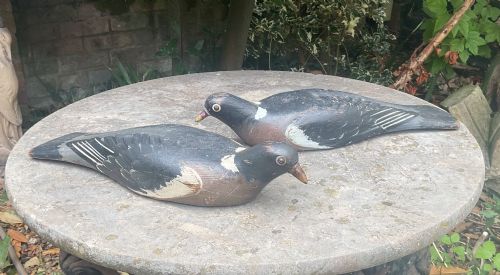
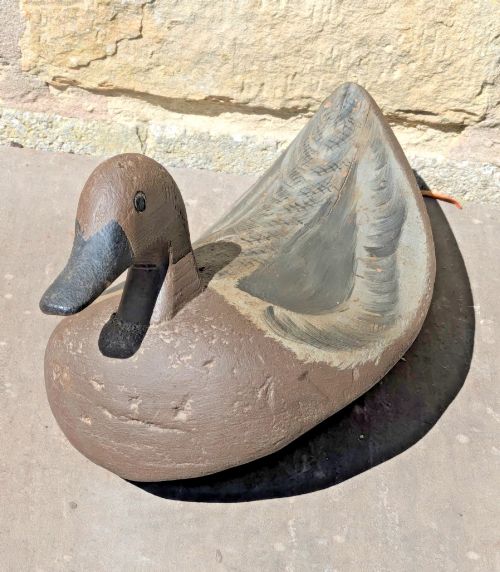
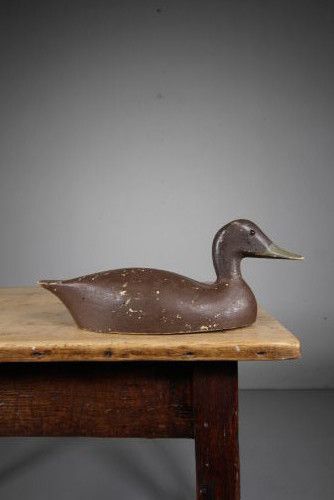
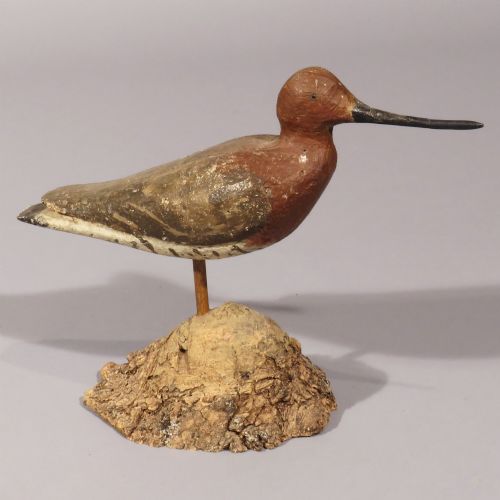
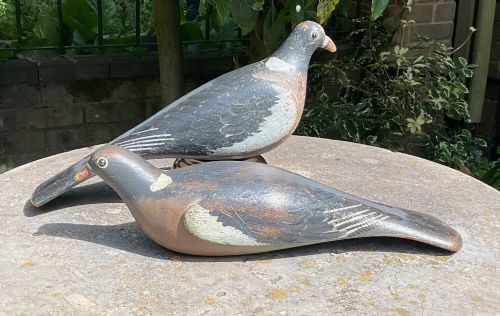
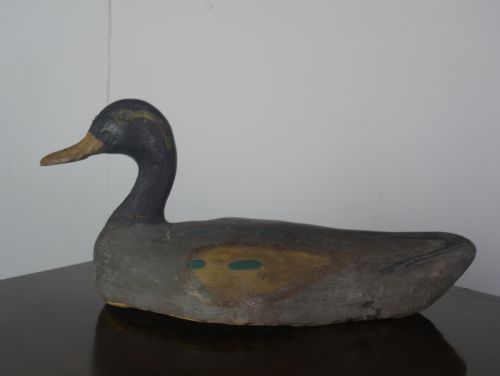
Collectors encounter various avian forms on this page, with ducks being the most common alongside pigeons, geese, doves and godwits. Examples range from single decorative sculptures to matched pairs and small sets.
The objects span several distinct periods including the Victorian era, the Edwardian years and the 1930s. English country folk art traditions strongly influence the surviving pieces available to buyers today.
Materials and construction
Craftsmen shaped these birds using carved wood, timber and occasional pieces of bark to create convincing natural silhouettes. Simple hand tools shaped the body blocks before makers applied layers of paint, gesso and sometimes glass for the eyes.
Surface decoration relied on hand painting to render feather patterns and coloration, which weathered naturally through outdoor use. Metal components occasionally appear in the internal structure or fixings of specific examples.
Object forms on this page include ducks, pigeons, geese, doves, and a godwit with her chick.
Assessing quality and character
The strength of the original carving defines the piece, with bolder forms and confident lines separating exceptional folk art sculptures from routine working examples. Anatomy does not need to be academic; expressive posture and sculptural presence matter more.
Surface preservation is crucial, as untouched original paint finishes with honest patination command the greatest appreciation. The personality of the bird and the integrity of the weathered surface ultimately determine the visual impact.
Harry Boddy
The Painted Wooden Decoy Glossary
- Decoy
- A carved and painted bird used historically to attract wildfowl during shooting. These working objects now function as decorative sculptures in homes.
- Folk art
- Traditional cultural expression created by rural artisans rather than trained academic artists. This style defines the unpretentious charm of these carved figures.
- Gesso
- A plaster mixture applied to wooden surfaces to prepare them for painting. It provides a smooth base for colour application.
- Polychrome
- Decorated in multiple colours. This term describes surfaces featuring varied paint layers applied over the wood.
Painted Wooden Decoy: Frequently Asked Questions
How were wooden decoys used originally?
Hunters placed these carved wooden birds on water or in fields to attract live flocks within range. They relied on realistic silhouettes and painted plumage to deceive passing birds.
Over time, changing shooting methods made working decoys obsolete. They transitioned from utilitarian tools into sought-after decorative objects for country interiors.
How do I date a painted decoy?
Dating relies on examining the tool marks left on the timber, the style of the carving and the composition of the paint layers. Nineteenth-century examples often show deeper wear and heavier tool work.
Edwardian and 1930s pieces can feature smoother body shaping and different pigment mixtures. Comparing the piece to documented archive examples helps confirm the period.
Are painted wooden decoys fragile?
While carved from solid timber, these objects carry decades of wear and retain historic paint layers that require gentle handling. Dropping them or exposing them to high moisture can damage the wood and surface.
Dust them gently with a dry cloth rather than using liquid cleaners or polishes. Preserving the original dried paint is essential for maintaining their character.