
Antique Bird Carving
An antique bird carving brings natural form and historic craft into a room, drawing the eye with the quiet presence of wood, bronze or painted surfaces.
Antique Bird Carving
When you search for an antique bird carving, you encounter diverse forms ranging from working duck decoys to decorative Black Forest sculptures and Asian scholarly objects. These pieces span centuries of craftsmanship, crossing regional traditions and artistic styles.
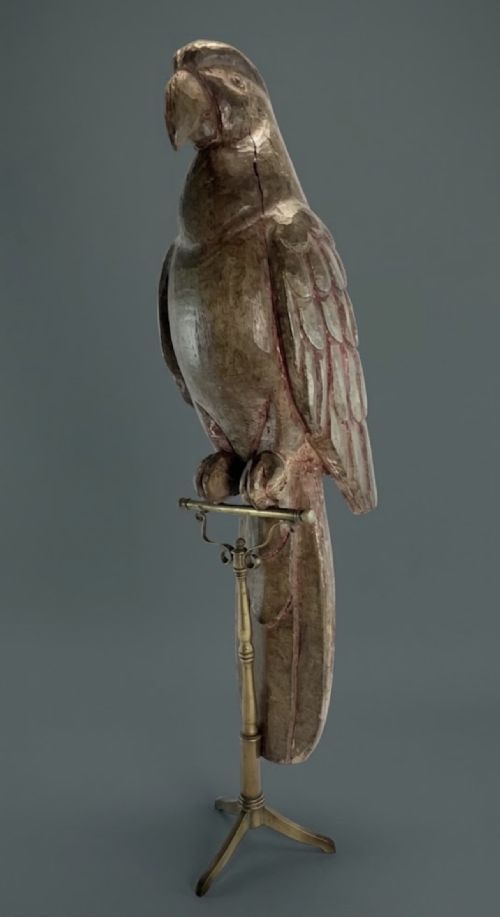
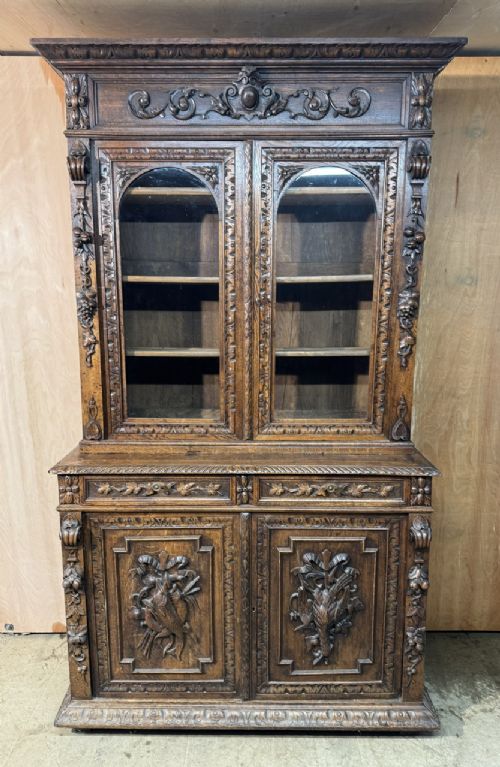
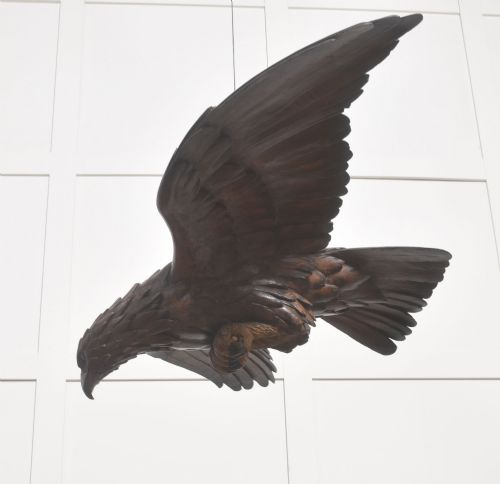
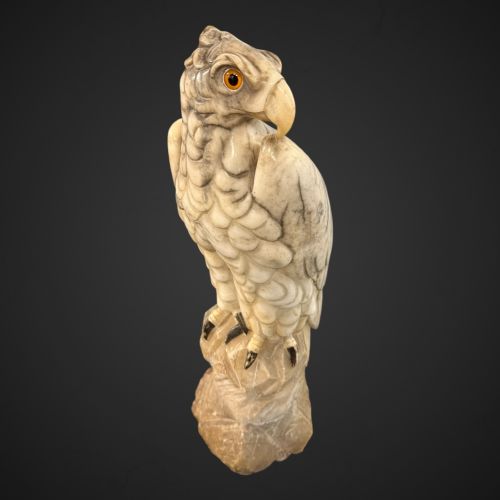
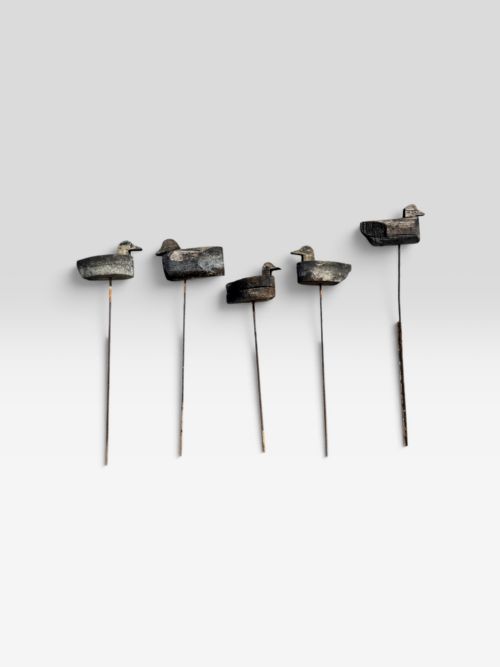
The versions most commonly met on this page include nineteenth-century Black Forest wooden raptors and owls, alongside early twentieth-century painted wooden decoy ducks and pigeons. European and Asian workshops produced these carved avian figures for both utility and ornamentation.
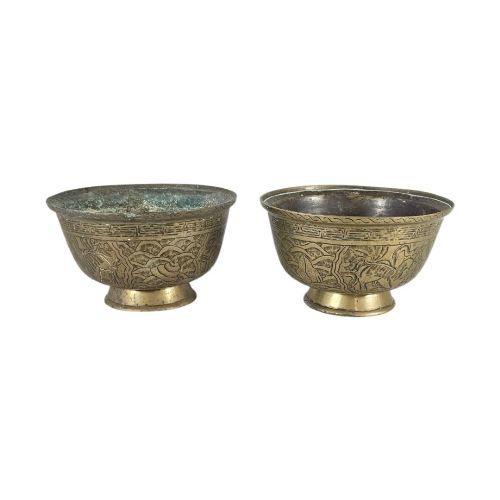
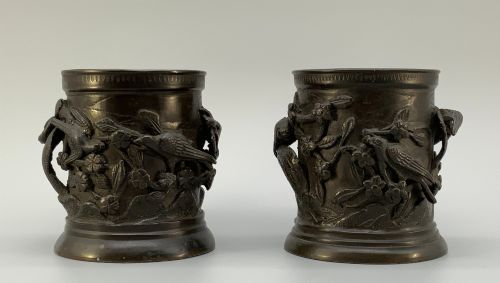
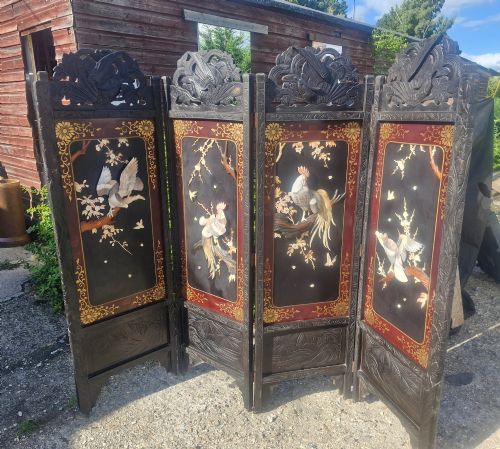
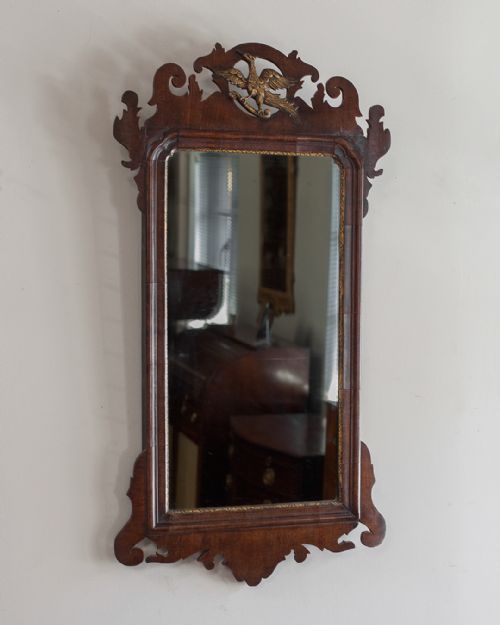
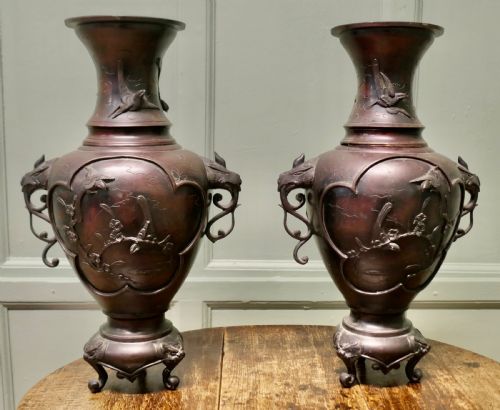
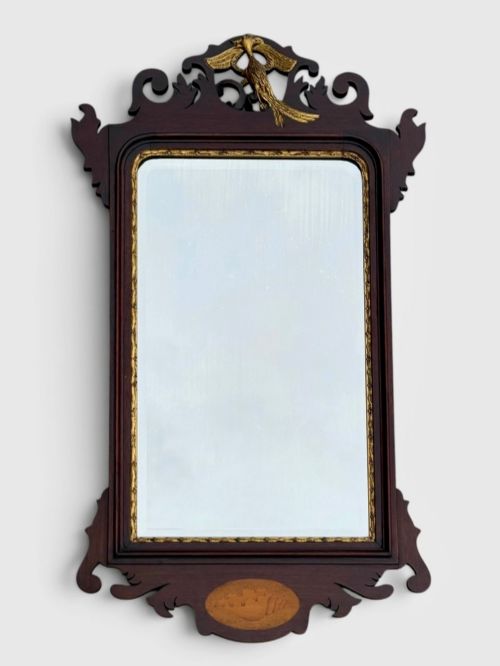
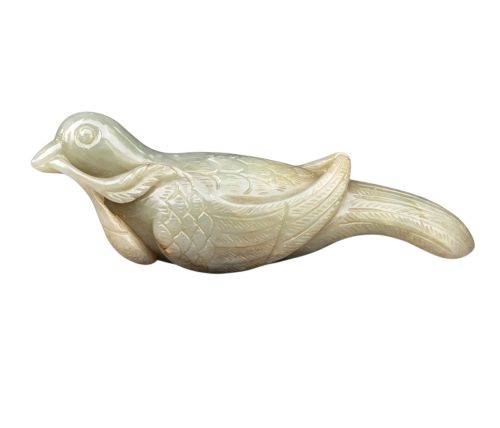
Collectors also find architectural elements such as Georgian-style mirrors featuring carved birds, as well as Chinese jade water bird carvings and Japanese bronze depictions. Each object reflects the prevailing aesthetic and naturalistic interests of its period of origin.
How They Were Made
Carvers shaped these avian subjects primarily from solid woods such as walnut, oak, and pine, often applying hand-mixed paint to simulate natural plumage. Artisans in regions like the Black Forest utilised hand gouges and chisels to achieve deep, textured relief on structural timber and decorative items.
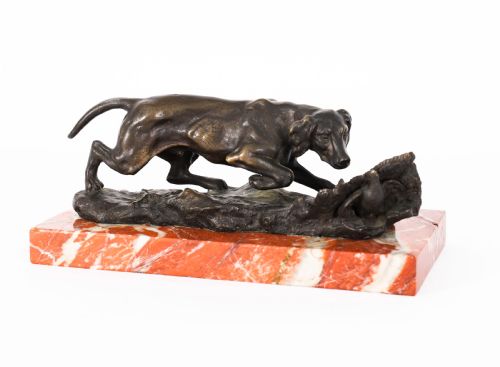
Metal versions relied on bronze casting techniques, producing detailed feathers and poses through lost-wax or sand-casting methods before finishing with patination. Other pieces incorporated bone or stone, carved with precision to capture the delicate contours of waterfowl and birds of prey.
Listings feature wooden, bronze, jade, and stone materials spanning the eighteenth, nineteenth, and twentieth centuries.
What Varies in Quality
The distinction between ordinary and exceptional work rests upon the anatomical accuracy and liveliness of the carving. Master carvers captured tension in the wings and alertness in the posture, whereas lesser pieces appear stiff and formulaic.
Surface finish dictates value just as strongly as the initial carving skill. Original undisturbed paint on decoys, deep natural patination on aged wood, and crisp chiselling without modern sanding separate superior examples from routine workshop production.
Carl Kauba
The Antique Bird Carving Glossary
- Decoy
- A carved and painted wooden representation of a waterfowl or pigeon, originally deployed by hunters to lure live birds.
- Black Forest
- A nineteenth-century style of intricate wood carving originating from Switzerland and Germany, frequently depicting wildlife and naturalistic scenes.
- Chippendale Revival
- A late nineteenth-century revival style drawing upon eighteenth-century English furniture designs, often incorporating carved birds such as the Ho-Ho bird.
- Patina
- The surface sheen and colour acquired by materials like wood, bronze or paint through age, handling and exposure to light over decades.
Antique Bird Carving: Frequently Asked Questions
What materials were used?
Carvers utilised various woods, cast bronze, carved stone, and painted surfaces depending on the region and intended function of the piece.
European workshops favoured native timber, while Asian items frequently employed jade, bamboo, or bronze.
How are decoys different?
Working decoys were created as functional tools for hunting, featuring weighted bases and simplified waterproof paint finishes.
Decorative carvings prioritised fine anatomical detail and complex textures intended strictly for interior display.
Where were they made?
Production spanned across European nations including Germany, Switzerland, France, and Britain, alongside significant traditions in China and Japan.
Each area imparted distinct regional styles, material preferences, and finishing techniques onto the carved avian subjects.
How do I date them?
Dating relies on tool marks, the composition of the paint or patina, and stylistic markers tied to specific historic periods like the Victorian era.
Comparing the species portrayed and the mounting hardware also helps place the carving within its correct decade.