
Hand Carved Bird
A hand carved bird brings the texture of traditional craftsmanship and natural forms directly into interior spaces.
Hand Carved Bird
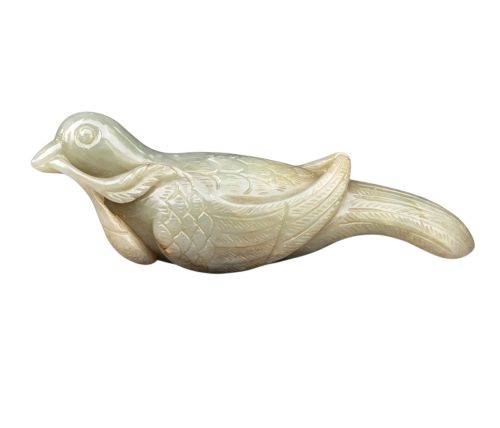
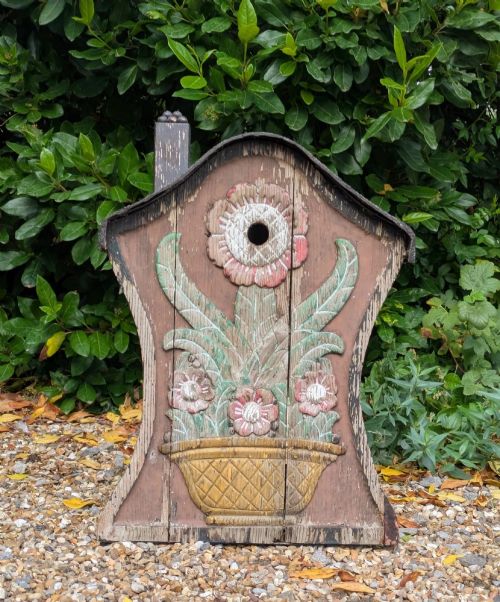
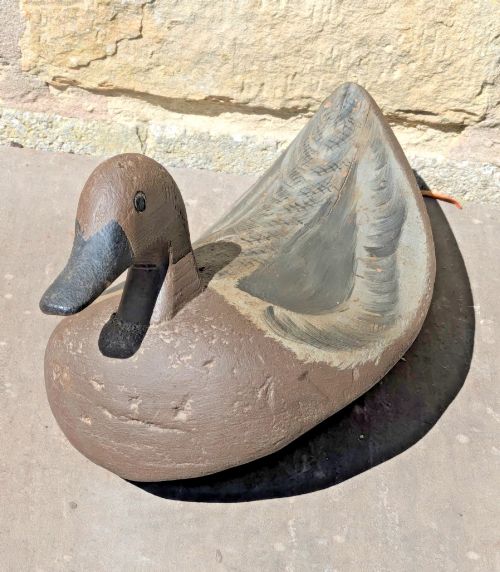
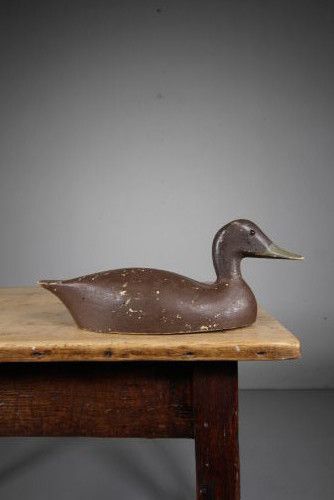
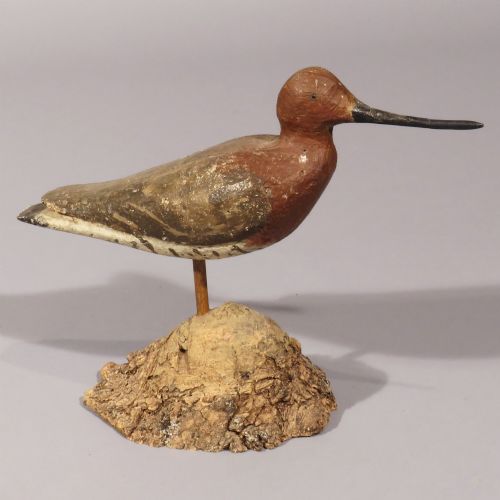
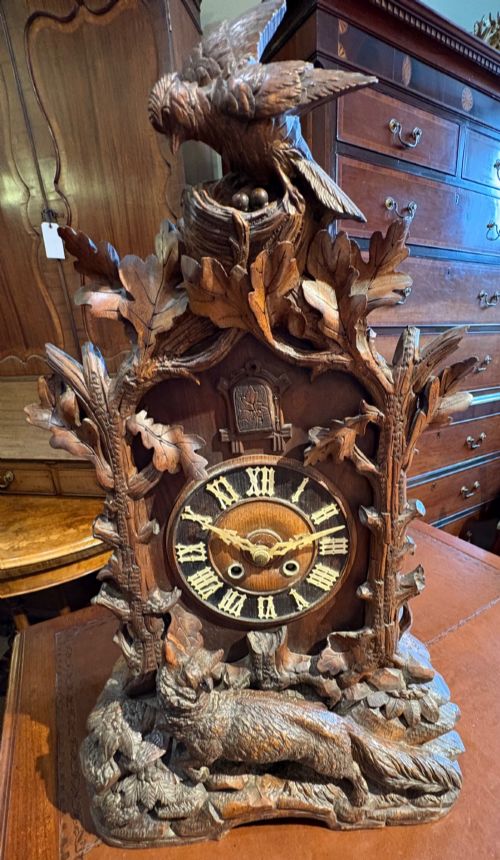
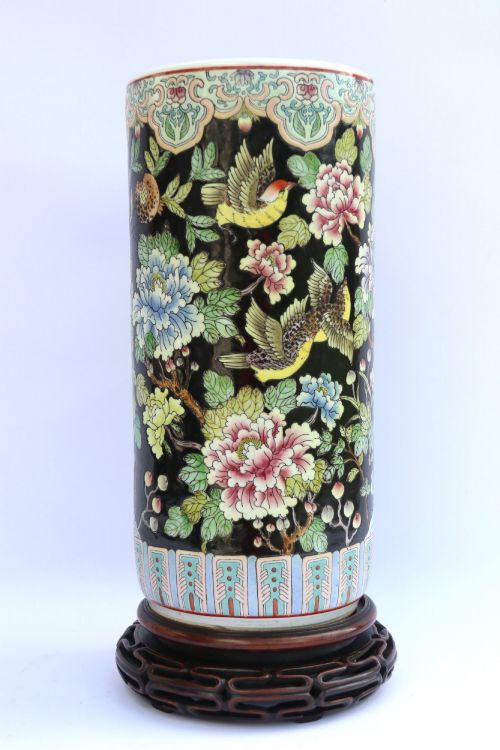
A hand carved bird encompasses various sculptural forms, ranging from utilitarian working decoys to ornate European decorative carvings and Asian scholar objects. These pieces emerge predominantly from the nineteenth century through the early decades of the twentieth century, reflecting distinct regional folk traditions and workshop practices.
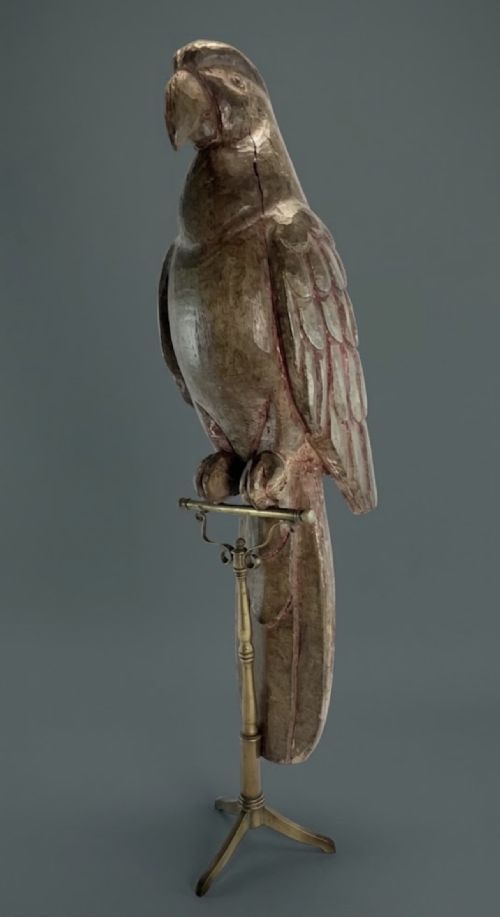
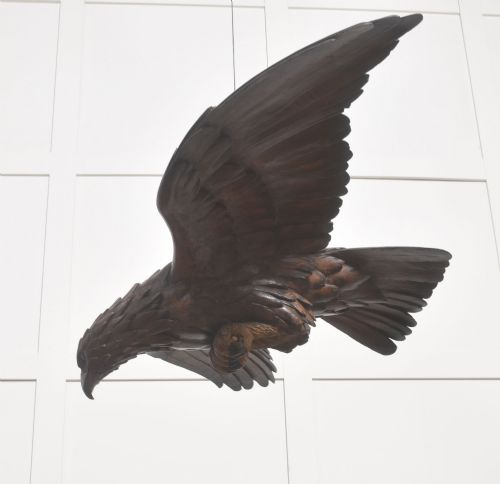
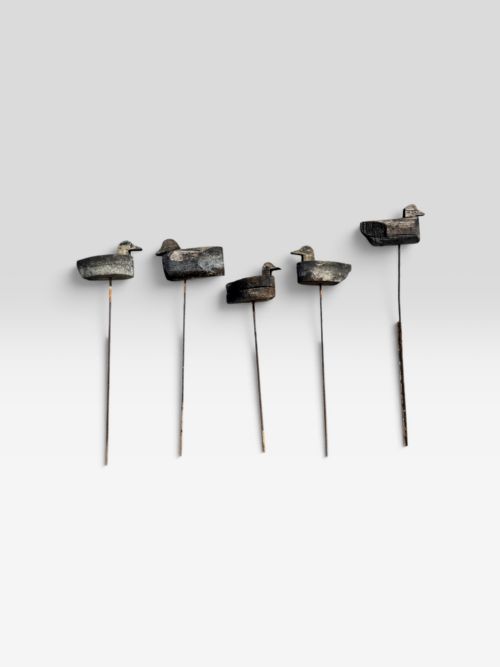
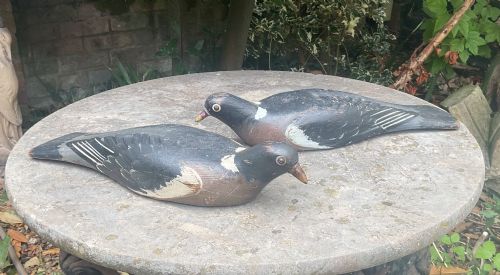
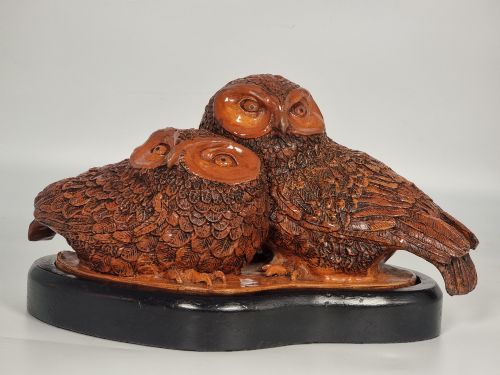
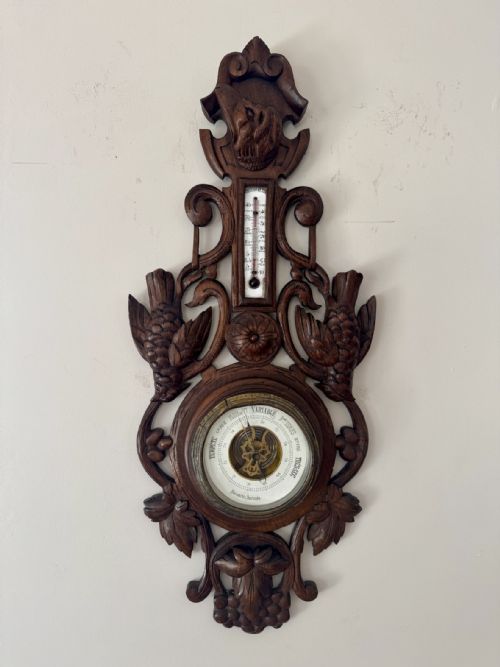
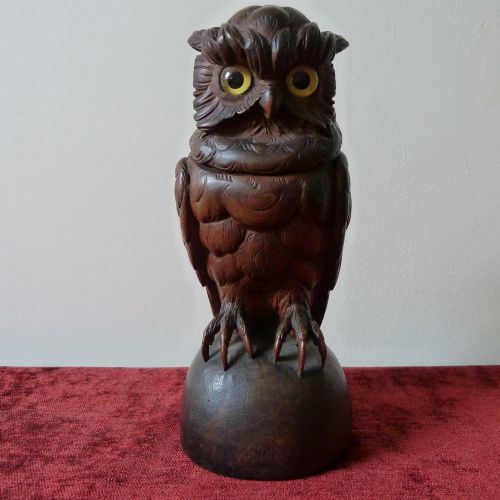
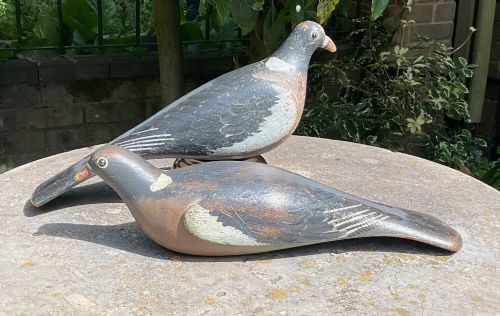
Wooden decoy ducks, pigeons, and geese dominate the selection alongside expressive Black Forest eagles, owls, and parrots. Buyers frequently encounter rustic folk art interpretations alongside sophisticated carved timber figures mounted on brass stands or ebonised bases.
Origins stretch from English and American wetlands to the forests of Switzerland and Germany, as well as Qing dynasty China. Each region imbues the avian subject with local materials and characteristic stylistic conventions.
Materials and construction methods
Makers utilised available local timbers such as walnut, hardwood, and pine, shaping the blocks with hand chisels and gouges. Many wooden surfaces received layers of oil-based paint to simulate natural plumage or weathered characteristics.
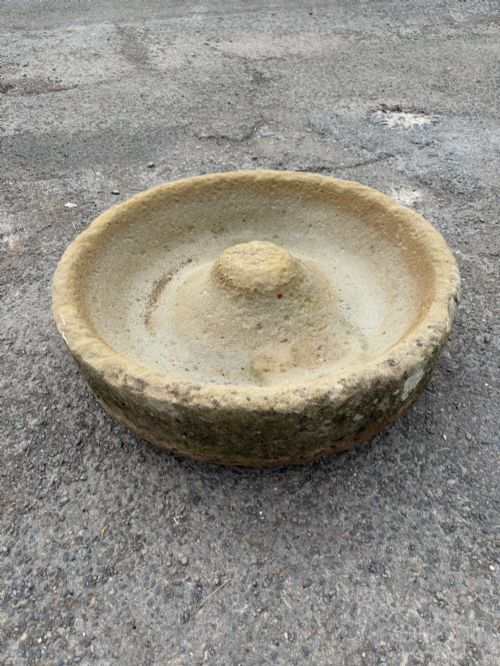
Selected examples incorporate mixed media elements, pairing carved wood or porcelain bodies with brass stands, glass eyes, or original hardwood bases. Stone iterations involve shaped Purbeck stone or sandstone basins designed for outdoor placement.
Several decoy ducks come with webbed feet firmly planted on history.
Evaluating sculptural quality
Superior execution shows in the anatomical accuracy of the bird or the purposeful stylisation found in folk art traditions. The vitality of the carving depends on the confidence of the tool marks and the sensitivity given to feather texture and posture.
Original surface preservation dictates desirability, particularly where early hand-painted pigments or natural patination remain intact. Fine pieces maintain structural integrity without excessive later repairs, retaining their original stands, mounts, or associated bases.
The Hand Carved Bird Glossary
- Decoy
- A carved or moulded figure placed by hunters to attract wildfowl. These working objects often display robust folk art characteristics and worn painted surfaces.
- Black Forest carving
- Intricate woodwork originating from the Swiss and German border regions during the nineteenth century. These pieces typically depict local fauna in deep relief using walnut or lime wood.
- Folk art
- Utilitarian or decorative objects created by self-taught or traditional artisans. The style prioritises expressive form over strict academic proportions.
- Treen
- Small handmade wooden domestic objects. These items showcase traditional turning and carving skills applied to everyday items like boxes and snuff containers.
- Celadon
- A pale green jade or porcelain glaze originating in East Asia. The finish mimics the appearance of natural jade stone.
Hand Carved Bird: Frequently Asked Questions
How were decoy birds originally used?
Decoys served a practical purpose on marshes and rivers, anchored near shorelines to attract passing flocks of ducks or geese.
Over decades of use, working decoys acquired distinctive weather-worn patinas from exposure to water and sun.
Where were Black Forest bird carvings made?
These decorative sculptures originated in woodland workshops across Switzerland and Germany during the nineteenth century.
Local woodcarvers specialised in rendering lifelike birds of prey, songbirds, and forest animals from rich walnut timber.
How should I clean a painted wooden carving?
Painted wooden surfaces require gentle dusting with a soft, dry brush to protect fragile historic pigments.
Avoid liquid cleaners, moisture, or chemical solvents that might lift original paint layers from the timber.
Are stone bird baths frost resistant?
Carved stone pieces made from Purbeck stone or sandstone are generally durable outdoors.
However, severe winter freezes can occasionally threaten porous stone if standing water is allowed to freeze inside the basin.