

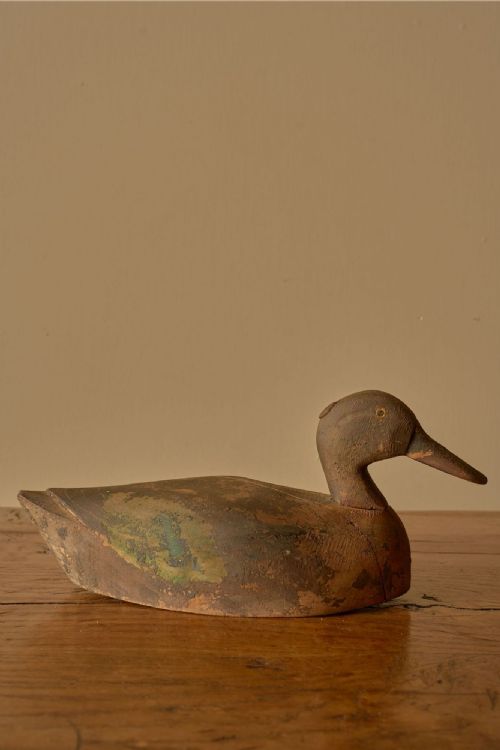
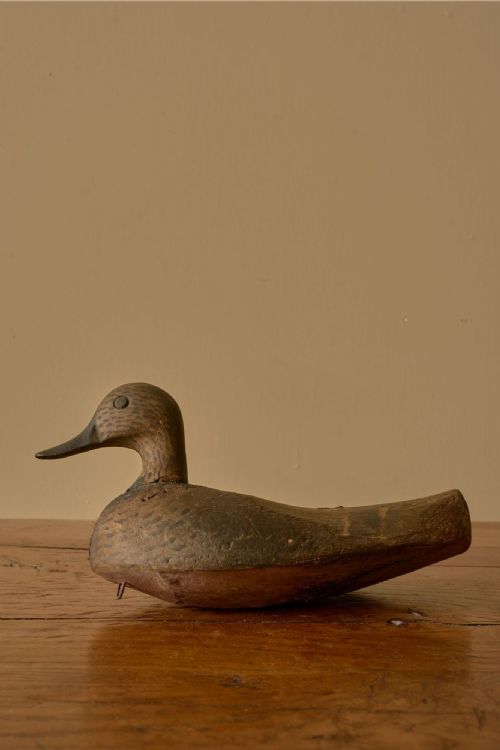
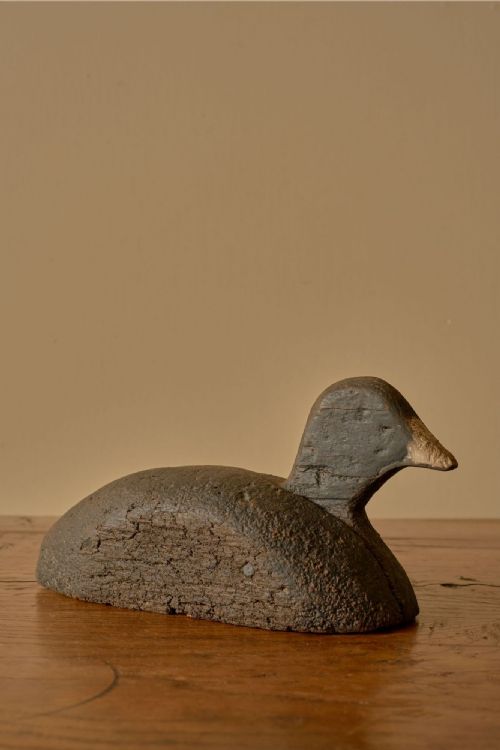
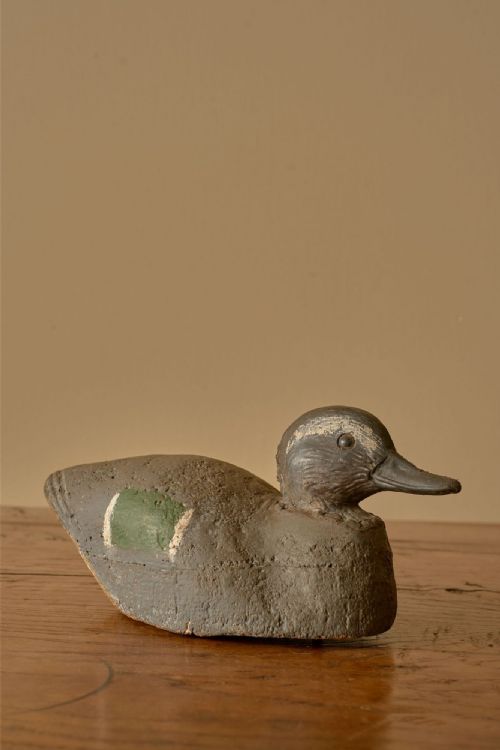



Country Folk Art Bird
These country folk art bird pieces bring character and rustic charm to a room, valued for their simple craftsmanship and honest materials.
Country Folk Art Bird
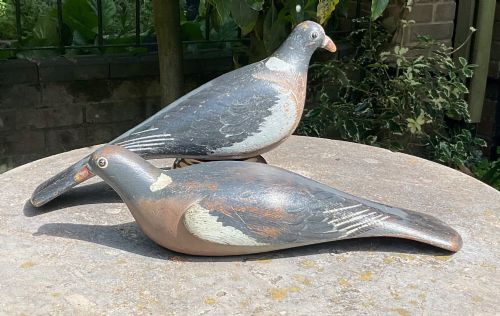
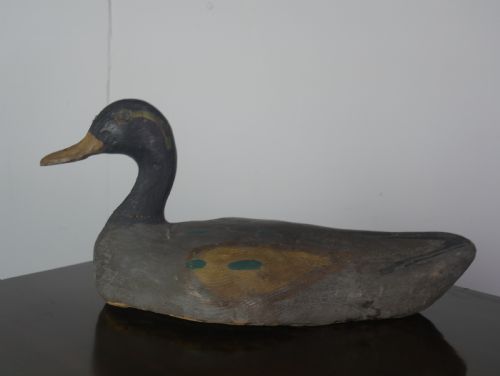
When you search for country folk art bird pieces, you encounter decorative objects and sculptures shaped from timber and metal. The selection includes decoy ducks, decoy pigeons, weathervanes, and naive oil paintings.
Most examples date from the nineteenth century up through the nineteen-thirties. You will frequently find wooden decoy ducks and pigeons fashioned for practical use before entering the decorative sphere.
How they were made
Makers shaped these objects primarily from carved wood and timber, applying hand-painted finishes directly to the surface. Some pieces incorporate gesso or sheet metal to construct structural elements and weathervanes.
The construction relies on straightforward hand-tool methods rather than industrial manufacturing. Paint layers accumulate through repeated use and subsequent decoration over decades.
Country Folk Art Bird Retail Price Guide 2026
Typical asking prices for country folk art bird among the pieces listed under this phrase on Sellingantiques today, from the lower quarter to the upper quarter. They describe what is for sale here now, not the wider market.
The inventory spans the nineteenth century up to nineteen-thirty, featuring carved wood, iron, and paint.
What varies in quality
Quality rests upon the strength of the carving and the character of the remaining paint surface. Pieces with original, undisturbed pigment command greater visual interest than those stripped or heavily restored.
The distinction lies in the expressive handling of the form. Stronger silhouettes and confident tool marks separate ordinary utility items from compelling sculptural works.
The Country Folk Art Bird Glossary
- Decoy duck
- A carved and painted floating bird model used to attract wildfowl. These working objects form a major portion of folk art sculpture.
- Naive art
- Artwork produced by an untrained artist lacking formal academic perspective. This style defines the charm found in period bird paintings.
- Gesso
- A plaster-like mixture applied to surfaces as a base for painting. It provides a smooth ground for decorative pigments.
- Weathervane
- A moveable metal or wooden indicator showing wind direction. Bird motifs serve as traditional subjects for these rooftop structures.
Country Folk Art Bird: Frequently Asked Questions
What is a country folk art bird?
These items are hand-carved or painted representations of birds, including decoy ducks, pigeons, and weathervanes. They originate from utilitarian rural contexts before becoming decorative objects.
They reflect the traditional craftsmanship of rural makers using accessible local materials like timber and sheet metal.
How were decoy birds used?
Decoys were placed on water or in fields to attract wild birds during shooting expeditions. Their convincing silhouettes lured live flocks within range.
Over time, wear from weather and use altered their appearance, creating the aged surfaces collectors prize today.
How do I date these carvings?
Dating relies on tool marks, the composition of the wood, and the chemical nature of the paint layers. Nineteenth-century examples often display distinct adze or knife marks.
Comparing the patina and wear patterns against documented pieces helps establish the likely period of manufacture.
Where should I display them?
These sculptures suit plain shelves, mantelpieces, or table surfaces where their sculptural silhouettes stand out. They complement both traditional country interiors and minimalist modern spaces.
Keep them away from direct heat sources and strong sunlight to protect the fragile painted wooden surfaces.