

Carved Wooden Bird
A carved wooden bird brings the character of the natural world indoors, offering a tactile piece of craftsmanship shaped by traditional hands.
Carved Wooden Bird
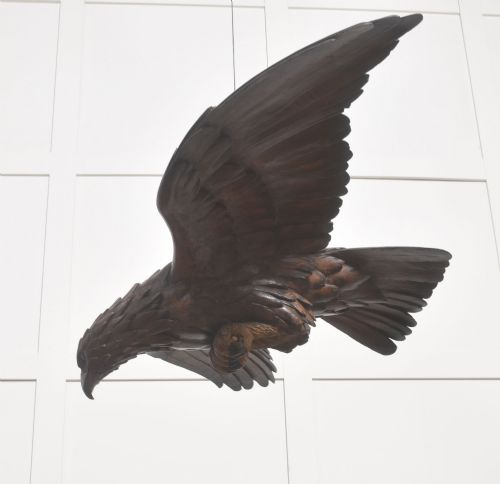
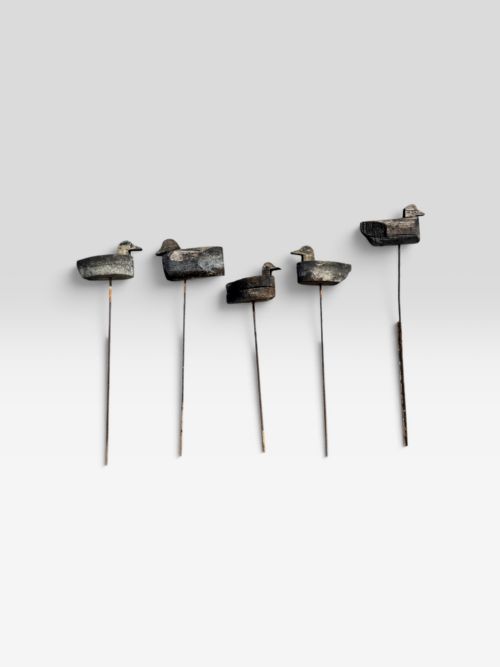
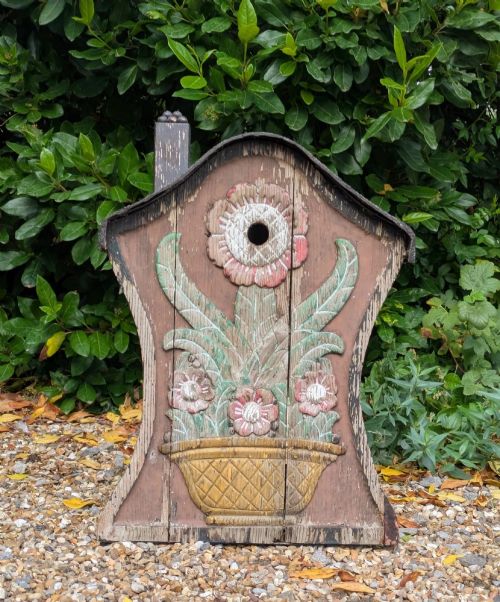
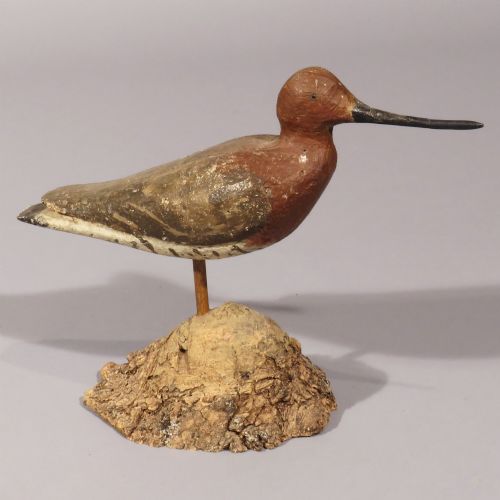
When you search for a carved wooden bird, you encounter a diverse array of objects ranging from functional working decoys to ornate European forestry carvings. The pieces on this page span from the nineteenth century through the early twentieth century, capturing utilitarian items alongside decorative sculptures.
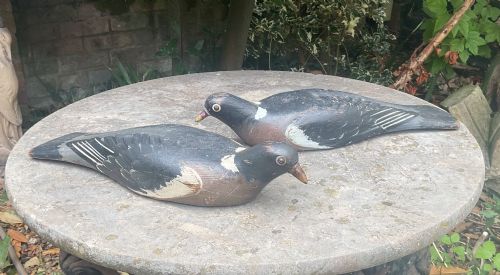
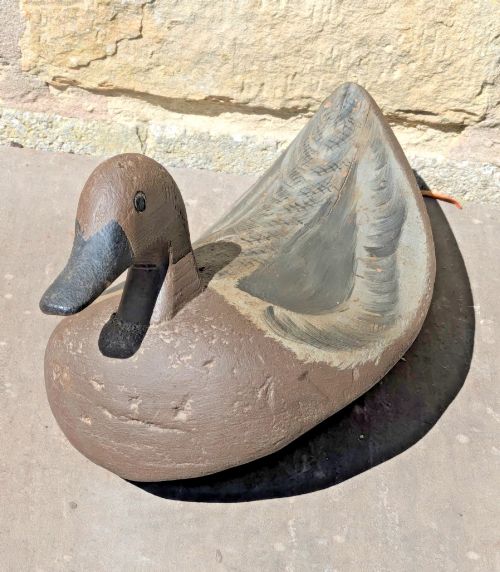
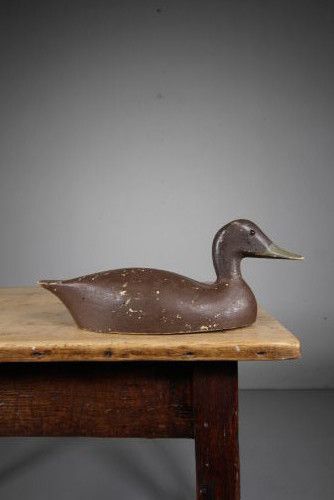
Working decoys designed for hunting sit alongside intricate Black Forest desk accessories and folk art figures. English and Swedish decoy ducks, pigeons, and geese appear frequently, often retaining their original painted surfaces from the Edwardian era and surrounding decades.
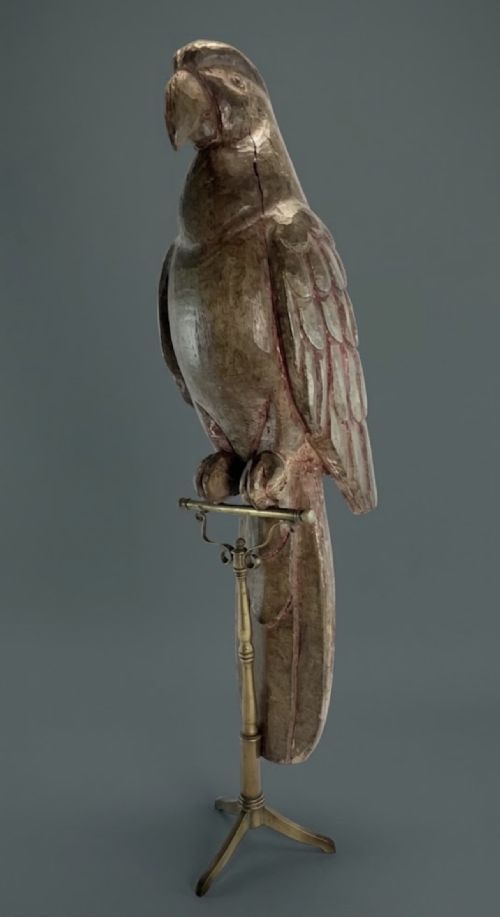
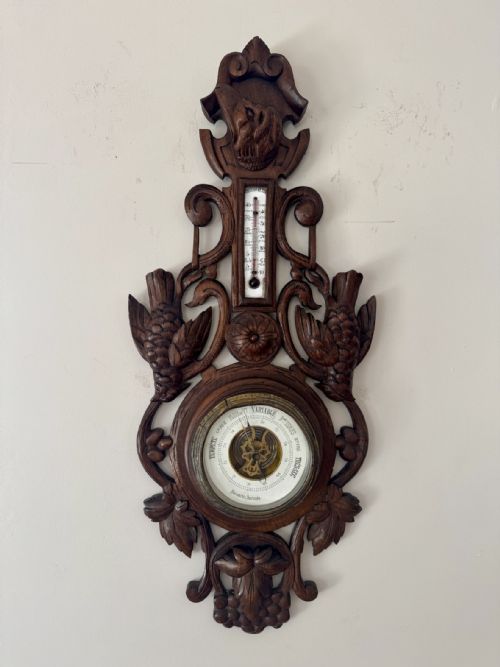
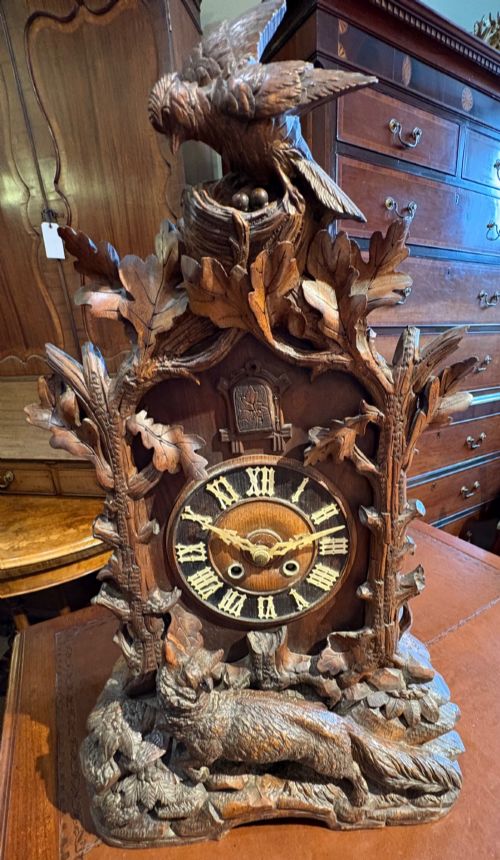
Continental European workshops contribute heavily to the selection, particularly through Swiss and German Black Forest productions featuring eagles, owls, and parrots. These pieces frequently take the form of functional items such as inkwells, clocks, humidors, and mirrors embellished with avian motifs.
Materials and construction methods
Makers utilised various native and exotic timbers, selecting walnut, hardwood, and pine depending on the regional tradition and the intended function of the object. Wood carving was combined with hand painting, particularly on decoy fowl where layered pigments created realistic plumage and weathering.
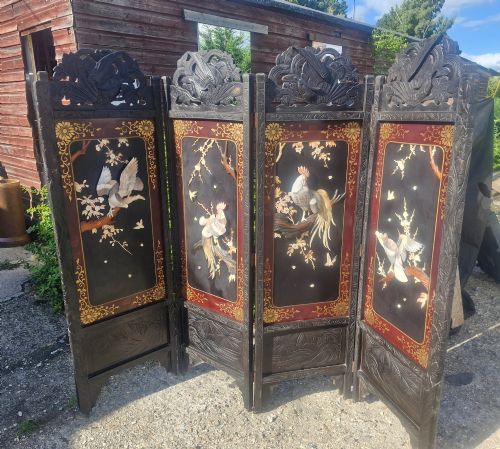
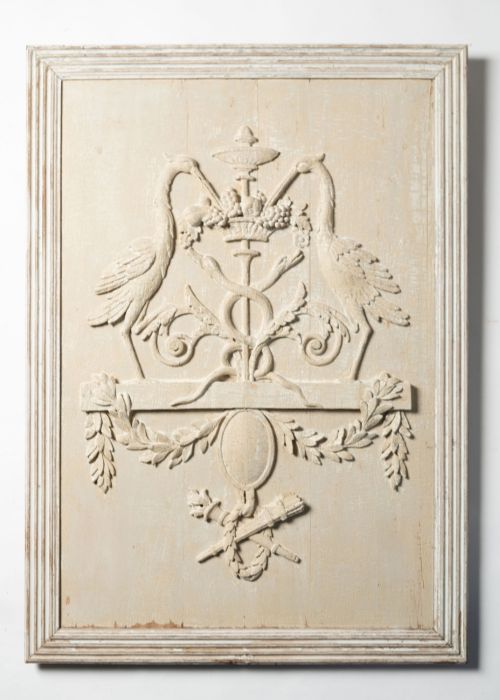
Accessory elements such as glass eyes, brass stands, and bone details occasionally supplement the carved wooden structures. Artisans employed gouges, chisels, and specialised knives to achieve deep relief work, particularly in Swiss forestry pieces and oriental panels.
Assessing craftsmanship and condition
The distinction between ordinary items and superior examples lies in the vitality of the carving and the preservation of original surfaces. Master carvers achieved anatomical conviction and textural depth in feathers, whereas lesser pieces display rigid lines and flat tooling.
Original painted surfaces and untouched patination heavily influence the desirability of working decoys and folk art figures. Overpainting or excessive restoration diminishes the historical integrity that collectors value in nineteenth and early twentieth century examples.
The Carved Wooden Bird Glossary
- Decoy
- A carved or moulded figure used to attract wildfowl or other game. These working objects often display weathered paint and utilitarian construction.
- Black Forest
- A style of wood carving originating from the Swiss and German mountain regions during the nineteenth century. These items typically feature naturalistic animals and foliage rendered in rich walnut.
- Folk art
- Artistic work created within a traditional culture by self-taught makers. Such pieces emphasise functional utility and direct expression over academic precision.
- Treen
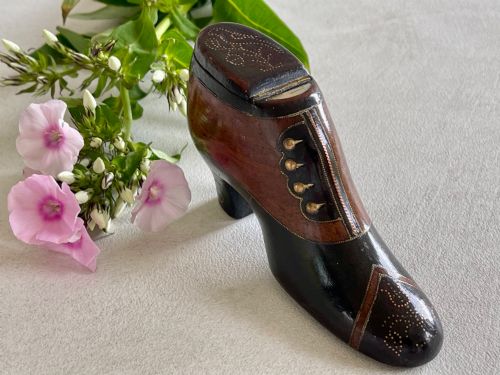
- Small handmade wooden domestic objects. These functional items include snuff boxes, shoe-shaped containers, and small treen vessels from earlier centuries.
Carved Wooden Bird: Frequently Asked Questions
How do I identify a working decoy?
Working decoys exhibit durable wooden construction designed for outdoor use on water or marshland. They often show working wear beneath layers of original hand-applied paint.
Heavier ballasted bases or internal lead weights frequently indicate functional water use rather than purely indoor decorative intent.
What defines Black Forest carvings?
Black Forest carvings originate from central European mountain workshops, focusing heavily on realistic animal sculptures and woodland motifs. Walnut is the predominant timber used in these detailed domestic objects.
Common forms include inkwells, clocks, and wall mirrors adorned with prominent birds of prey or songbirds.
How should I clean antique wood carvings?
Dust carved wooden surfaces gently with a soft, dry brush to prevent dirt accumulation in intricate recesses. Avoid using commercial liquid polishes that can soften or strip historical patination.
Keep pieces away from direct sunlight and extreme humidity fluctuations to protect the timber and any remaining paint.
Are these items purely decorative?
Many pieces served practical functions in domestic and rural settings alongside their decorative appeal. Items range from clock housings and barometers to snuff containers and inkwells.
Folk art objects and decoys bridge the gap between utilitarian gear and sculptural display pieces.