


Antique Centerpiece Bowl
An antique centerpiece bowl anchors a dining table or sideboard with sculptural form and metal, glass, or porcelain craft.
Antique Centerpiece Bowl
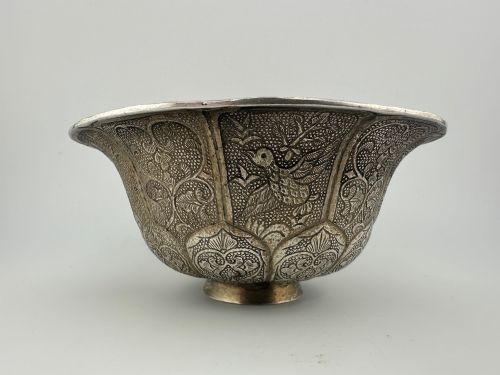
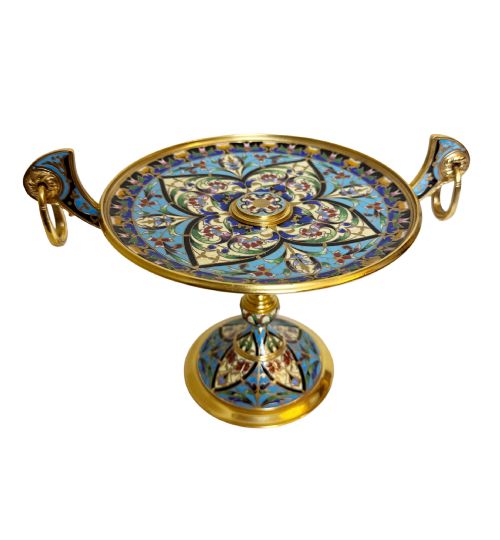
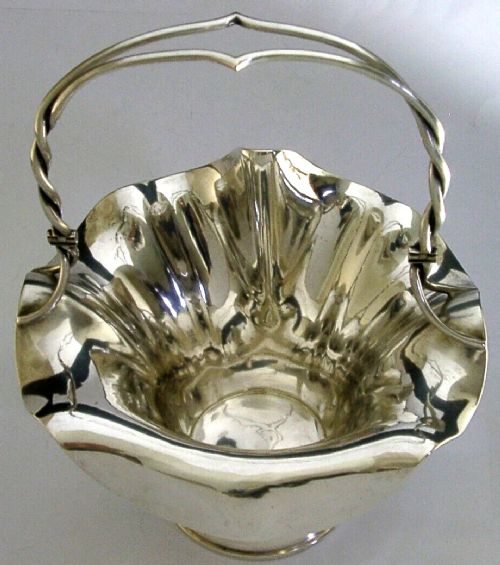
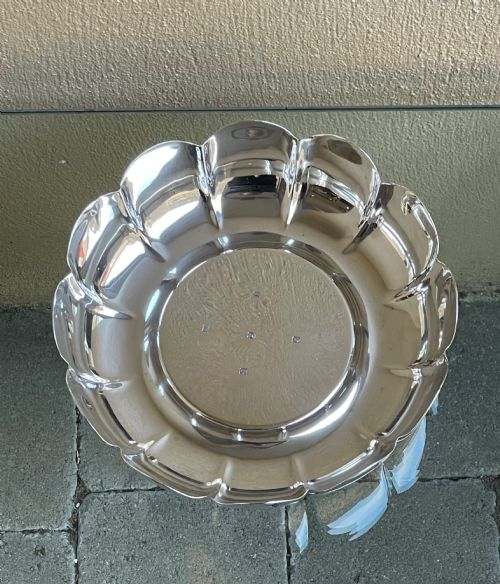
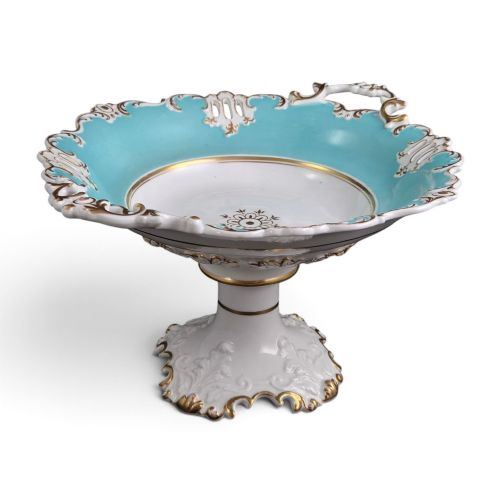
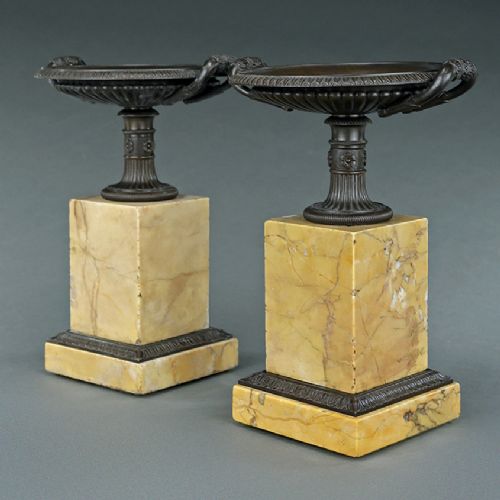
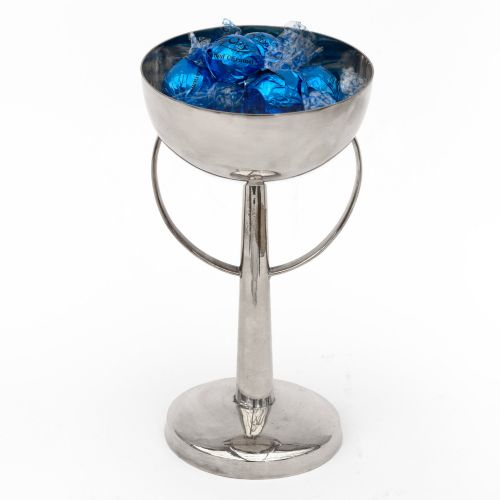
An antique centerpiece bowl serves as a table focal point, taking forms such as tazzas, footed bowls, handled baskets, and shallow dishes.
The pieces appearing here span the Georgian, Victorian, and Edwardian eras, extending into the Art Nouveau and Art Deco periods with diverse international origins.
You will encounter silver, porcelain, bronze, and glass vessels designed for fruit, flowers, or presentation display on dining tables.
Materials and construction
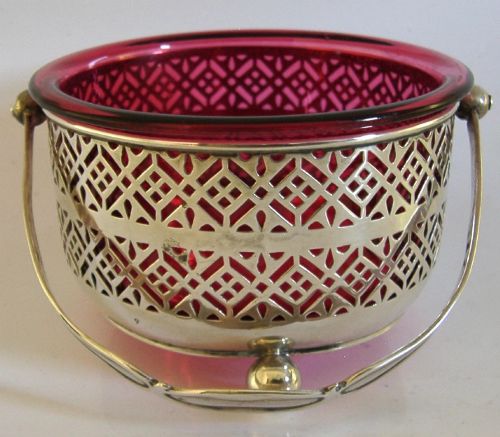
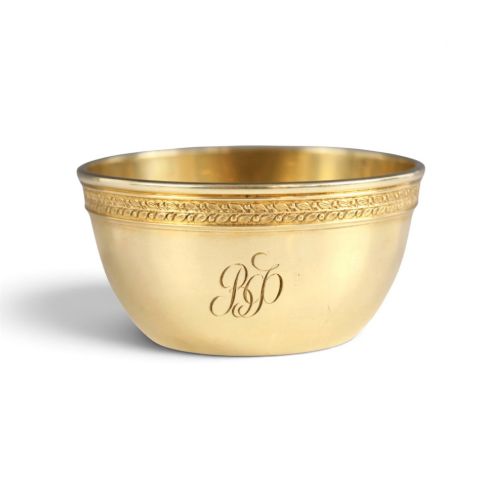
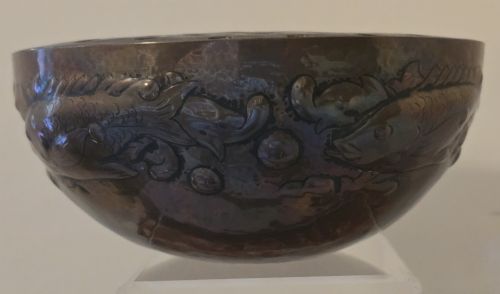
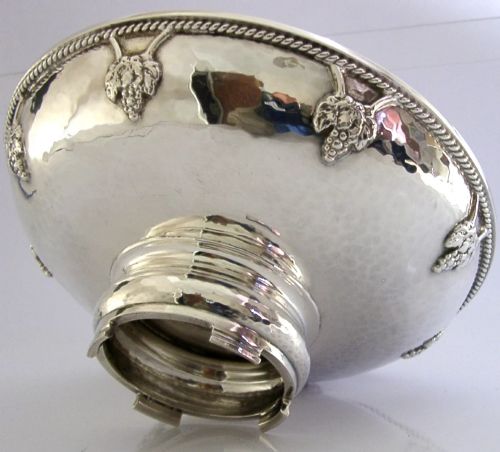
Metal vessels utilise sterling silver, silver plate, copper, and gilt bronze, often shaped through hand hammering, casting, or piercing.
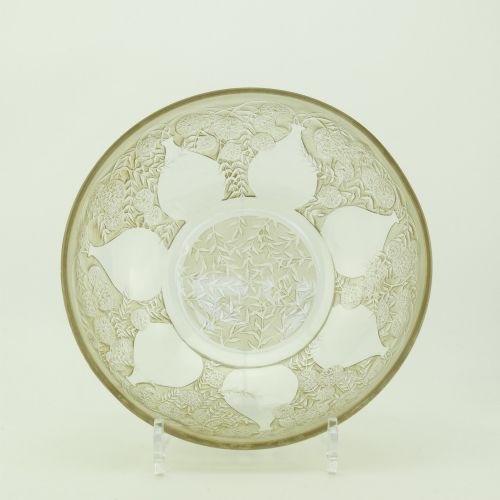
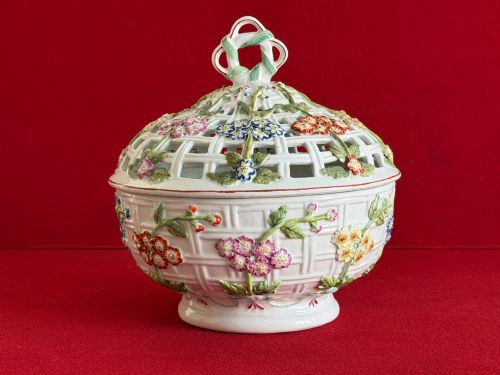
Ceramic and glass examples combine bone china, porcelain, and crystal, frequently featuring hand-painted decoration or moulded details.
Cherubs peer out from gilt bronze mounts, watching over the fruit table with perpetual stone expressions.
Judging quality and execution
Quality rests on the crispness of cast or carved ornament, the weight of the metal, and the precision of pierced or hand-hammered work.
The integration of mixed materials, such as bronze mounts on crystal or porcelain bodies, dictates the sophistication of the piece.
Fabergé·Stephan Wekeva·Rene Lalique·Newlyn·Coalport·Derby·Goldsmiths and Silversmiths Company·Sèvres
The Antique Centerpiece Bowl Glossary
- Tazza
- A shallow bowl or dish mounted on a stem and foot, commonly used for serving fruit or display.
- Planished
- A metal surface finish achieved by hammering with a polished tool to leave small, flat facets.
- Champlevé
- An enamelling technique where troughs are sunk into a metal surface and filled with vitreous enamel before firing.
- Cranberry glass
- A transparent red glass produced by adding gold chloride to the molten batch during manufacture.
- Imari
- A style of Japanese porcelain decorated in underglaze blue and iron red, with supplementary gold.
Antique Centerpiece Bowl: Frequently Asked Questions
What was an antique centerpiece bowl used for?
These vessels held fruit, flowers, or sweetmeats at the centre of formal dining tables during the eighteenth, nineteenth, and early twentieth centuries.
They functioned primarily as decorative showpieces to demonstrate the host's taste and wealth to assembled guests.
How do I style an antique bowl at home?
Place the vessel on a large dining table, sideboard, or entrance console where its profile and materials can be appreciated from multiple angles.
Leave the bowl empty to display internal craftsmanship or fill it simply with seasonal fruit or glass spheres.
How can I tell the period of a silver bowl?
British silver items carry hallmarks indicating the assay office, standard of metal, and date letter corresponding to the exact year of production.
Stylistic cues such as asymmetric Art Nouveau plant motifs or geometric Art Deco lines also point to specific eras.
What is the difference between a tazza and a standard bowl?
A tazza is elevated on a distinct central stem and foot, lifting the display surface well above the table level.
Standard bowls sit directly on a flat base or low foot rim, offering a wider and deeper basin for contents.