


Hand Painted Comport
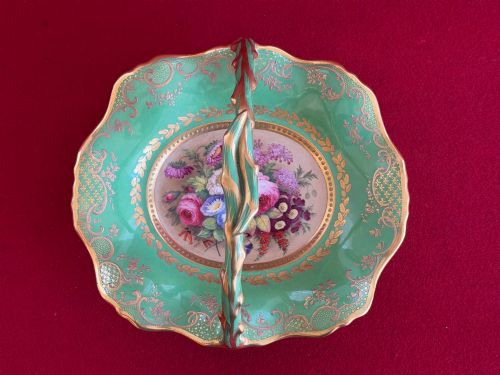
A hand painted comport brings raised fruit and dessert service to the table with painted floral and landscape motifs.
Hand Painted Comport
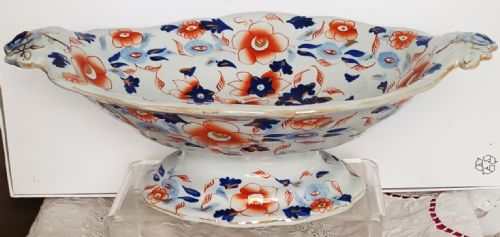
A hand painted comport serves as an elevated dish for fruit, dessert or table display, resting on a pedestal, foot or low stand. These pieces emerge in porcelain, ironstone and ceramic from Georgian, Victorian, Regency and Edwardian periods.
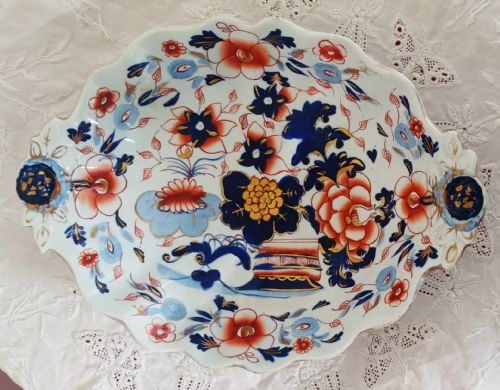
The most common examples on this page are porcelain and ironstone comports and footed dishes decorated with hand painted floral scenes, Chinoiserie patterns and landscape panels. They take the form of pedestal dishes, tazzas, low comports and tiered dessert stands.
Originating across English, German, French and Chinese kilns, these vessels combine functional serveware with decorative display. Makers utilise gilt bronze, ormolu and gold leaf alongside hand painted ceramic surfaces.
How they were made
Potters shape porcelain, ironstone and ceramic bodies into low comports, baskets and tiered stands before applying glaze and hand painted decoration. Artisans execute floral, bird and landscape motifs directly onto the ceramic surface.
Gilt bronze, ormolu, gold leaf and chaised gold decoration are applied to frames, feet and rims to frame the painted porcelain centres. Kiln firing sets the pigments and porcelain glazes prior to final gilding.
Listings feature 19th Century, Georgian, Regency, Victorian, Edwardian and 1900 periods across porcelain, ironstone, enamel, ormolu and gold leaf.
What varies in quality
The fineness of the hand painted brushwork dictates the distinction between standard production and exceptional studio painting. Detailed botanical studies, delicate floral panels and intricate Chinoiserie scenes require superior artistic execution.
The quality of the ceramic body, the crispness of moulded ironstone or porcelain forms, and the preservation of gold leaf, ormolu and gilding separate standard decorative pieces from finer factory outputs.
Mason·Swansea Porcelain·Flight Barr and Barr·Thomas Moorcroft·E.J.D Bodley·Sevres·Wedgwood·Meissen·Royal Worcester·Minton·Coalport·Noritake
The Hand Painted Comport Glossary
- Comport
- An elevated dish or bowl used for serving fruit or dessert at the table. It typically stands on a pedestal or foot.
- Tazza
- A shallow saucer or bowl mounted on a stem and foot, functioning as a display dish or comport.
- Ironstone
- A heavy, durable type of ceramic patented in the nineteenth century to imitate Chinese porcelain. It provides a robust body for transfer printed and hand painted wares.
- Ormolu
- Gilded bronze mounts and decorative elements applied to ceramic bodies and pedestals. It adds weight and decorative structure to nineteenth century pieces.
- Chinoiserie
- European artistic styles reflecting Chinese motifs and decorative techniques. Painters apply these imaginary oriental landscapes to porcelain comports and tea services.
- Gilding
- The application of gold leaf, gold paint or leaf to ceramic edges and mounts. It frames the hand painted panels on the dish.
Hand Painted Comport: Frequently Asked Questions
What is a hand painted comport used for?
A hand painted comport serves to present fruit, cakes or desserts on the dining table. Historically, these elevated dishes formed part of large dessert services for formal meals.
Today, collectors use them as standalone decorative centrepieces on sideboards or mantelpieces. Their painted floral and landscape panels make them suitable for ornamental display.
How do I identify a Georgian comport?
Georgian comports often appear in ironstone or early porcelain bodies with traditional patterns such as Japan designs. They display heavier ceramic construction and hand painted motifs characteristic of early nineteenth century kilns.
Comparing the glaze, paste composition and decorative style helps distinguish Georgian pieces from later Victorian and Edwardian reproductions.
What is the difference between ironstone and porcelain?
Ironstone is a dense, opaque, heavy ceramic developed to resist chipping while mimicking true porcelain. It forms a robust body for utilitarian serveware and decorative comports.
Porcelain is a finer, whiter and often translucent material fired at higher temperatures. It provides a delicate surface for detailed hand painted botanical and landscape scenes.
How should I clean a hand painted comport?
Dusting gently with a dry, soft cloth prevents the accumulation of dirt on painted ceramic surfaces. Avoid harsh chemical cleaners and abrasive scrubbing.
Hand washing in lukewarm water with mild soap is suitable only when unmounted, though most antique pieces require careful manual wiping to protect fragile gilding and enamel.