



Blue Porcelain Centerpiece
A blue porcelain centerpiece anchors a table with hand-painted cobalt patterns, gleaming white paste, and often metal mounts that catch the light.
Blue Porcelain Centerpiece
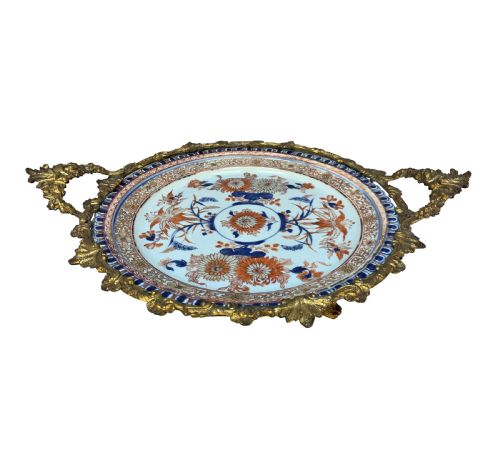
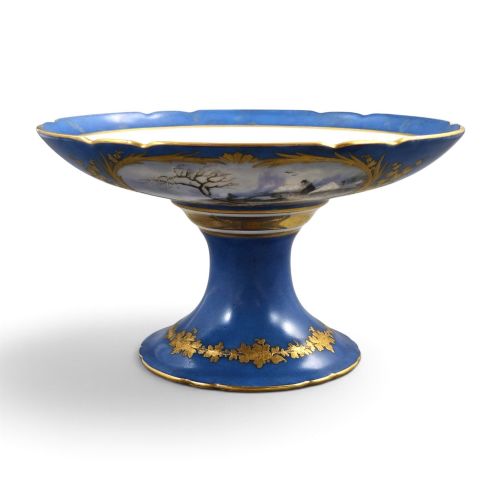
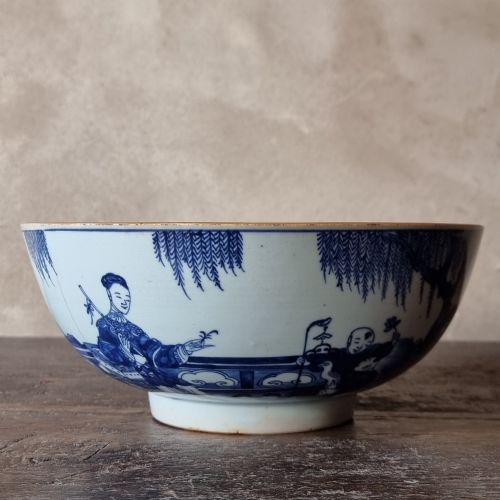
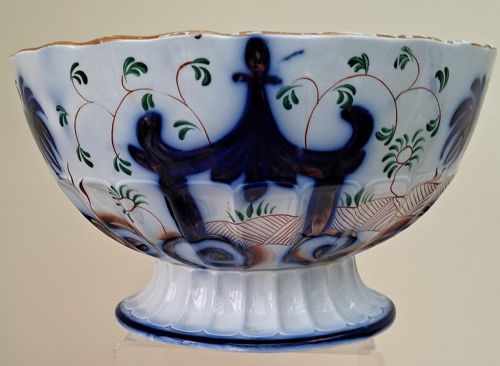
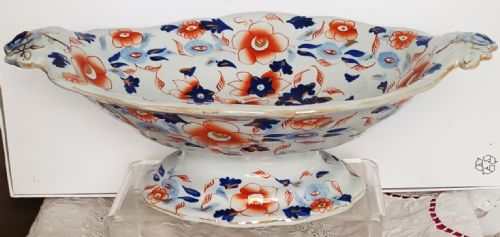
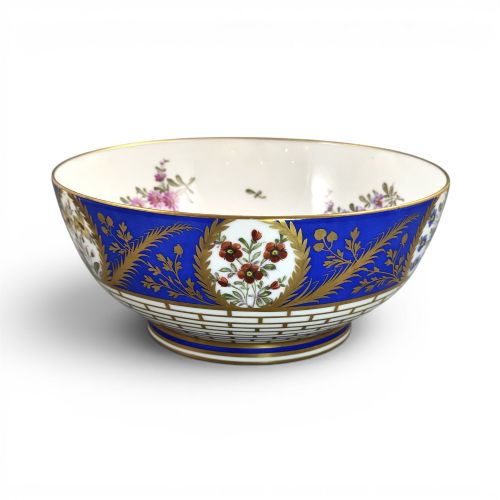
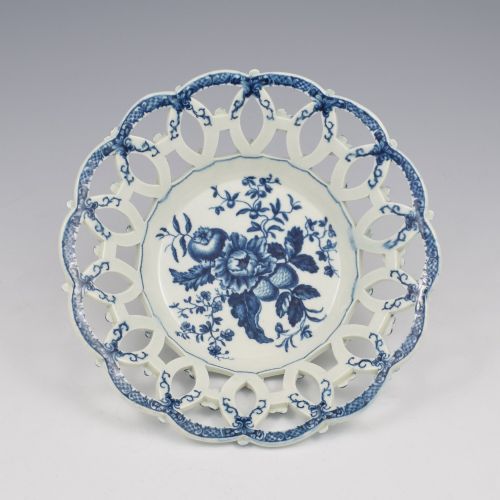
A blue porcelain centerpiece encompasses large footed bowls, comports, punch bowls, and ornamental baskets designed to hold fruit or stand alone as focal points. When you search for this phrase, you meet items spanning the eighteenth through the early twentieth centuries, drawing on Chinese export, Japanese Imari, and European revival traditions.
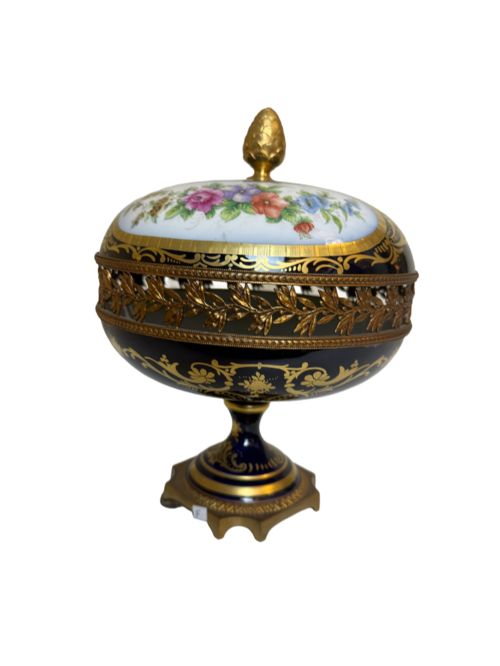
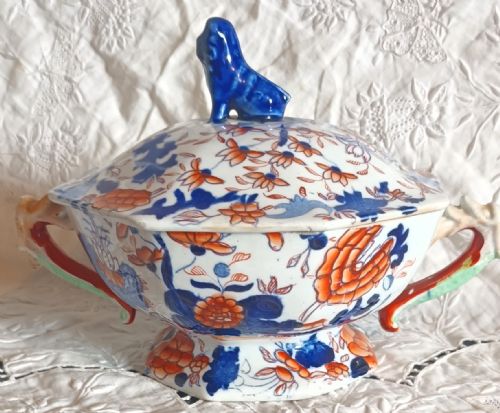
The forms range from deep scalloped bowls and lidded tureens to pedestal comports and tazzas. Many examples originate from English factories like Worcester and Derby, or major continental kilns, alongside extensive representation of Asian export wares.
Materials and production methods
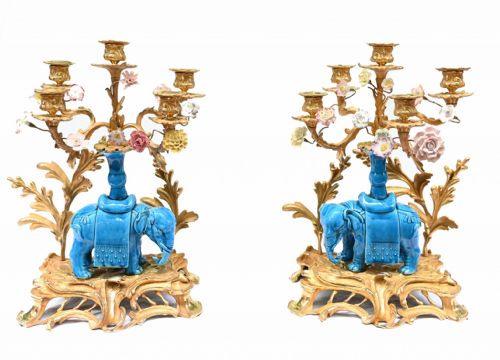
Potters shaped fine clay and porcelain paste before applying cobalt underglaze pigments that survived high-temperature firing with deep blue saturation. Artisans frequently added enamel colours, gold leaf, and gilt bronze or ormolu mounts to enhance the decorative impact.
Many items combine traditional throwing or moulding with hand-painted motifs, whilst others incorporate printed transfer designs finished with meticulous brushwork. Metal mounts are pinned or secured directly to the ceramic body to form handles, stands, and rims.
Samson in Paris spent the nineteenth century happily forging everyone else's porcelain so well that collectors now collect the forgeries themselves.
Distinguishing quality in porcelain bowls
Quality rests in the crispness of the cobalt painting, the purity of the white ground, and the structural integrity of any applied ormolu or gilt bronze mounts. Pieces with hand-painted precision and rich, unrubbed gilding show superior craftsmanship.
The weight and balance of the vessel, the delicacy of pierced or moulded borders, and the depth of the glaze determine the visual success of the piece. Makers who employed skilled artists for detailed landscapes or figural scenes produce items of notable distinction.
Doulton Burslem·Royal Crown Derby·Wedgwood·Samson Paris·Kinkozan Kyoto
The Blue Porcelain Centerpiece Glossary
- Comport
- A shallow decorative bowl raised on a pedestal, used traditionally for serving fruit or sweets at dessert.
- Imari
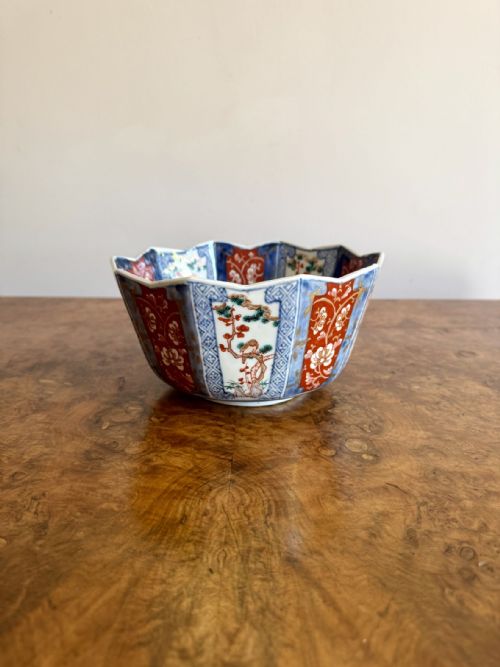
- A style of Japanese export porcelain featuring underglaze blue combined with iron red and gilt highlights.
- Ormolu
- Gilded bronze mounts applied to furniture and ceramics, popular in French rococo and nineteenth-century revival pieces.
- Tazza
- A small tabletop pedestal vessel resembling a shallow cup or flat dish, often used for display.
- Jardiniere
- An ornamental ceramic pot or bowl designed to hold plants or floral arrangements.
Blue Porcelain Centerpiece: Frequently Asked Questions
What is a blue porcelain centerpiece used for?
These large vessels served historically as ornamental table displays, centrepieces for dessert courses, or grand receptacles for fruit and punch.
Today, they function primarily as decorative interior objects, placed upon dining tables, sideboards, or mantels to display colour and form.
How do I care for a porcelain centerpiece?
Dust the surface gently with a soft, dry cloth and avoid harsh chemical cleaners that can damage fragile enamel or gilt highlights.
Keep pieces away from direct, intense sunlight and unstable environments to protect delicate metal mounts and painted glazes.
How do I distinguish eighteenth-century pieces?
Examine the paste density, glaze imperfections, and hand-painted brush marks that characterise early Chinese export and English soft-paste porcelain.
Consult maker marks where present, though many early export pieces rely on stylistic traits and body composition for dating.
What makes Imari porcelain different?
Japanese Imari work employs a distinctive palette combining deep cobalt blue underglaze with iron red and abundant gold leaf.
These pieces often feature intricate floral and brocade patterns derived from traditional textile designs.