




French Rococo Bowl
These french rococo bowl pieces are ornate vessels of porcelain and gilt bronze designed to anchor a table with undeniable presence.
French Rococo Bowl
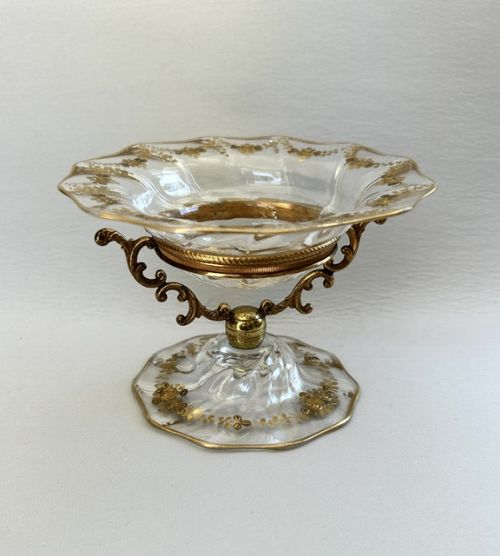
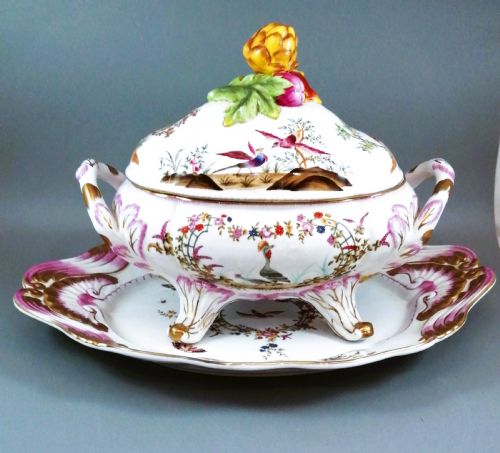
A french rococo bowl brings together decorative porcelain, cut crystal, and gilt bronze mounts in forms ranging from salt cellars to large centrepieces and tureens. Most examples appearing here date from the nineteenth century, including revivals from the eighteen-eighties and nineties alongside eighteenth-century origins.
Makers shaped these vessels into comports, dishes, and tea service components influenced by continental rococo style. They function primarily as decorative centrepieces rather than utilitarian tableware.
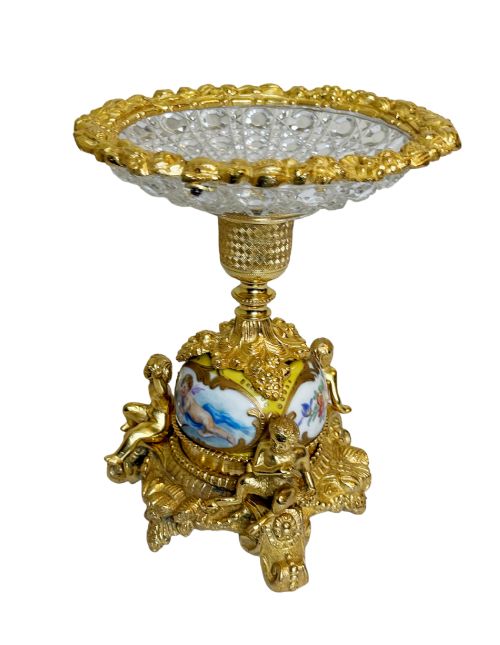
The objects combine glass, enamel, and gold leaf with heavy bronze or ormolu stands, often featuring figural details like cherubs. Buyers encounter pieces spanning several decades of French and continental production.
How They Were Made
Craftsmen utilised porcelain and cut crystal for the main bowl bodies, shaping glass and ceramic elements with precise firing and cutting techniques. These vessels were frequently paired with cast gilt bronze or ormolu mounts that required skilled metalwork and gilding.
Metal stands and handles incorporate gold leaf and bronze casting, securing delicate enamel and porcelain sections together. Artisans applied hand-painted details and enamelling to surfaces such as Limoges and Sevres style bodies.
Several nineteenth-century bronze centrepieces manage to incorporate cherubs directly into the supporting architecture without dropping the fruit.
What Varies in Quality
The refinement of the bronze casting and ormolu chasing dictates the visual sharpness of the mounts, separating heavy, crisp detailing from softer, simpler execution. The quality of the porcelain body and the complexity of its hand-painted decoration also set individual pieces apart.
Integration between the metal mounts and the glass or ceramic vessel determines the overall harmony of the construction. Superior examples display balanced proportions where the gilt bronze complements rather than overpowers the central bowl.
Edm'e Samson·Samson
The French Rococo Bowl Glossary
- Ormolu
- Gilded bronze used extensively for mounts and decorative stands. The technique involves applying a gold amalgam to bronze before heating.
- Comport
- An ornamental dish raised on a standard or foot. These elevated vessels were traditionally used for serving fruit or sweets.
- Tureen
- A deep covered dish used for serving soup or stews. Ceramic versions often include matching stands and decorative handles.
- Salt Cellar
- A small vessel designed to hold salt at the dining table. Eighteenth-century examples in enamel represent some of the most intricate miniature forms.
- Samson Porcelain
- Ware produced by the nineteenth-century firm known for creating high-quality reproductions and interpretations of earlier historic styles.
French Rococo Bowl: Frequently Asked Questions
What is a french rococo bowl used for?
These vessels were originally created for serving food, soups, or condiments at formal dining tables during the eighteenth and nineteenth centuries.
Today, collectors primarily utilise them as decorative centrepieces or display items to enhance interior spaces.
How do I date a piece?
Dating relies on identifying the materials, manufacturing marks, and stylistic characteristics associated with specific periods such as the nineteenth century or earlier.
Comparing the casting quality of the gilt bronze and the style of the porcelain helps establish the era of manufacture.
How should I clean porcelain and ormolu?
Maintenance requires gentle dusting with a soft, dry cloth to protect delicate gilt surfaces and hand-painted porcelain details.
Moisture and harsh cleaning agents must be avoided to prevent damage to the gold leaf and enamel.