



Folk Art Bird
These folk art bird carvings, decoys and paintings bring untutored charm and direct observation into a room.
Folk Art Bird
A folk art bird object spans carved wooden decoys, naïve oil paintings, painted snuff boxes and domestic sculptures from the nineteenth and early twentieth centuries. These pieces reflect regional traditions across England, Sweden, France, Austria and beyond, made by makers working outside formal academic circles.
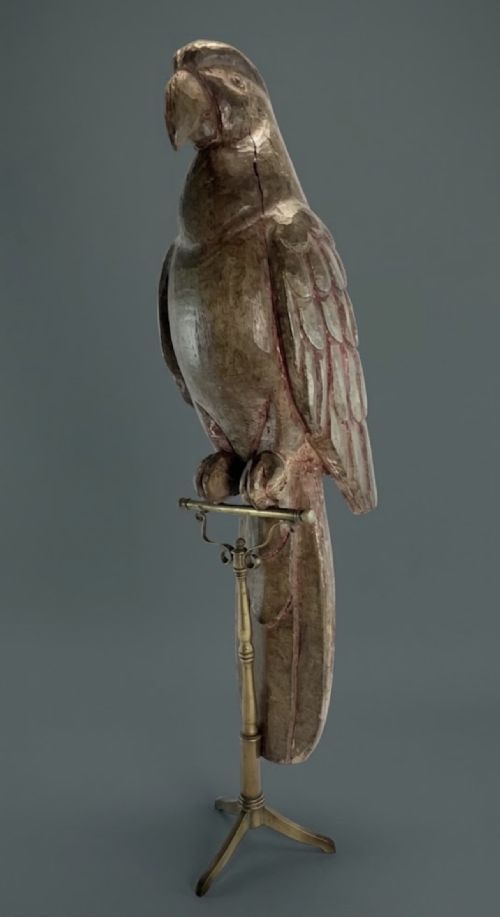
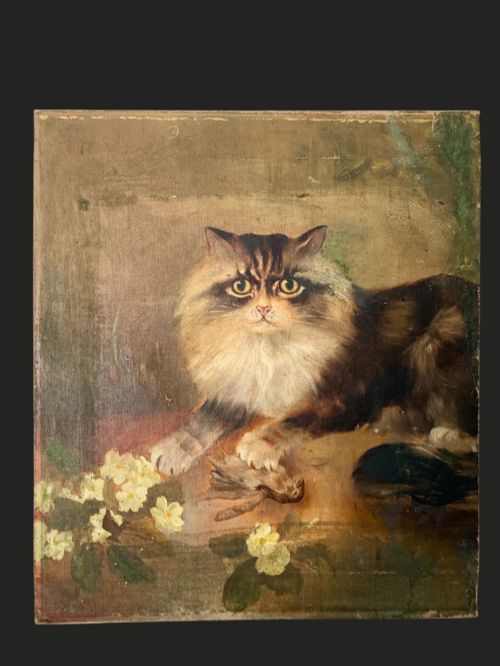
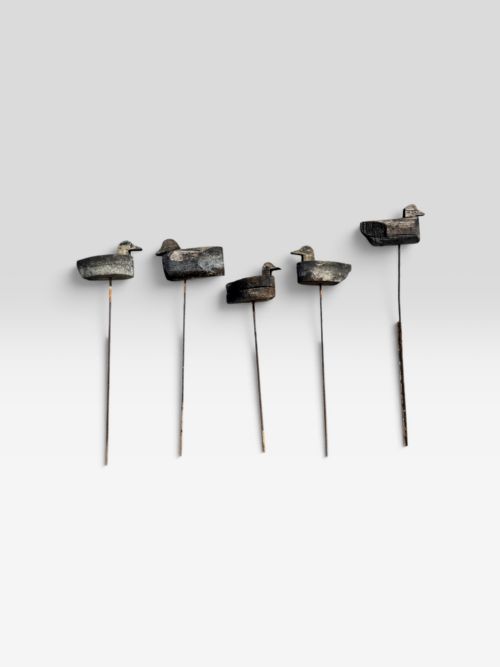
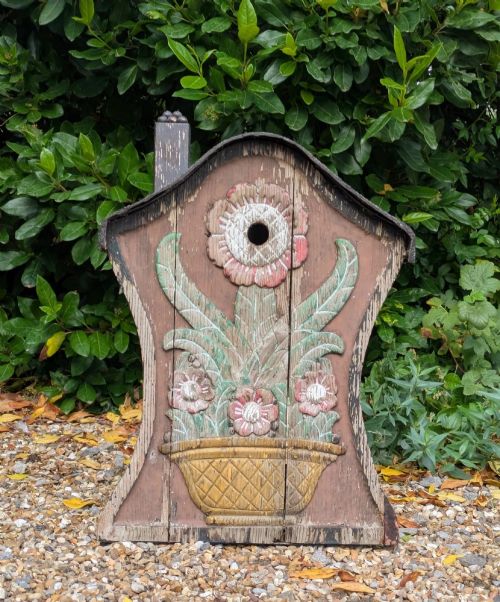
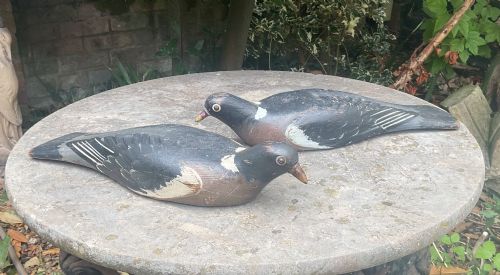
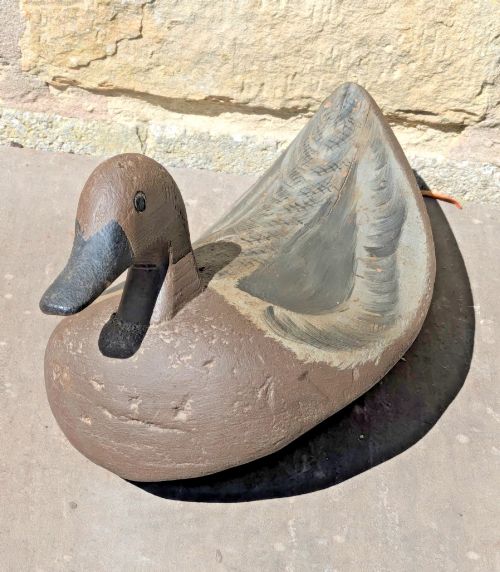
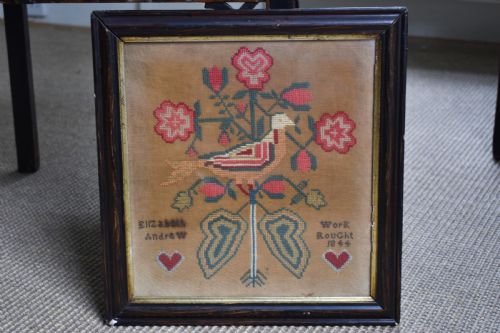
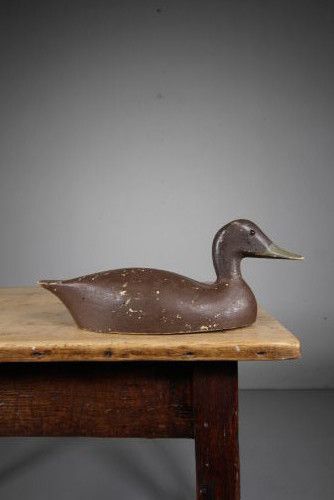
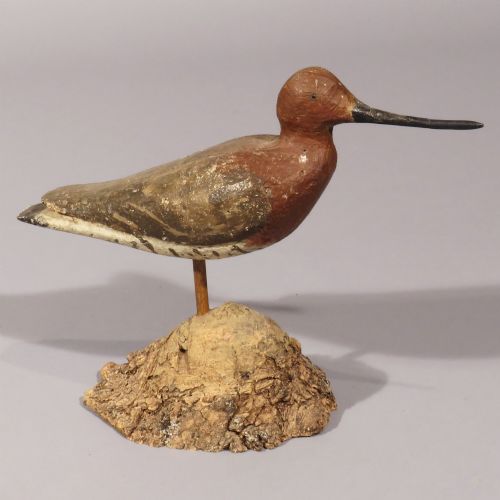
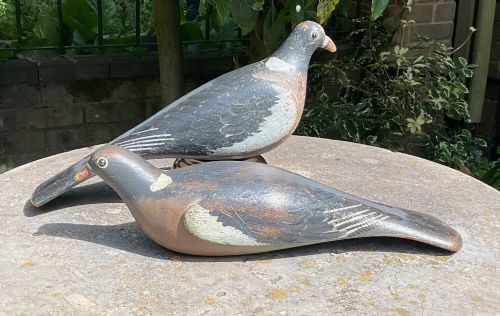
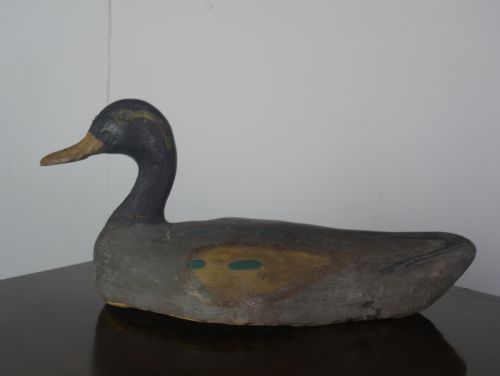
The version you are most likely to meet on this page is the working wooden decoy duck, pigeon or goose, often showing layers of original hand-painted surface wear. Alongside these waterfowl, the selection regularly includes naïve canvas paintings, treen boxes and sculptural birdcages.
Materials and methods
Carvers shaped timber, wood and carved wood using hand tools, frequently finishing the forms with lead-based or oil paints that have aged through decades of exposure. Working decoys often integrated metal fittings, such as brass stands or lead weights, while domestic items utilised papier mâché, straw and bone.
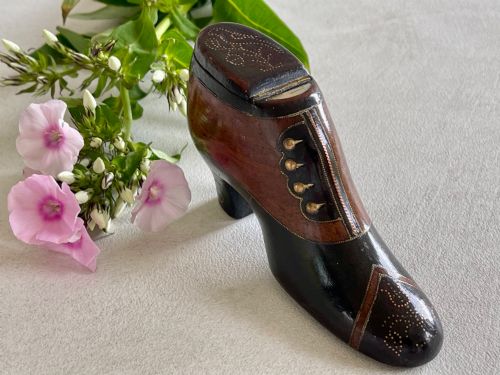
Paintings employ oil on canvas, capturing naive perspectives with flat planes of colour rather than academic perspective. Treen objects like snuff boxes combine miniature carving with sliding lids, showing intimate domestic craftsmanship.
Listings feature items spanning the nineteenth century through the 1940s, utilising wood, paint, metal, canvas, wool and papier mâché.
Gradations of quality
Quality rests in the vigour of the carving and the survival of the original painted skin. A piece with untouched, weathered pigment holds greater visual punch than one stripped or heavily restored.
Proportion and stance separate standard utilitarian items from exceptional sculpture. The most satisfying examples capture the alertness or silhouette of the creature through minimal, confident strokes rather than fussy detail.
J Brown·E H Windred
The Folk Art Bird Glossary
- Decoy
- A carved or painted wooden figure of a bird used to attract wildfowl. Traditional examples display working ballast weights or attachment loops.
- Treen
- Small handmade wooden objects for domestic use. These items include carved snuff boxes and small containers.
- Naive school
- Art produced by self-taught painters working outside official academic traditions. The style emphasises flat perspective and direct expression.
- Woolie
- A pictorial embroidery made by sailors using wool yarn. These textile pictures often depict ships or maritime scenes.
- Bird cage
- Enclosures constructed for housing birds, sometimes built as architectural pavilions or decorative domestic objects.
Folk Art Bird: Frequently Asked Questions
What is a folk art bird?
A folk art bird is a handmade decorative object, decoy or painting created by untutored makers primarily during the nineteenth and early twentieth centuries. These pieces include carved wooden waterfowl, naïve canvases and small treen snuff boxes.
They served practical purposes as working decoys or domestic containers before transitioning into decorative objects valued for their rustic aesthetic.
How were wooden decoy ducks used?
Decoys were placed on water or marshes by hunters to lure real birds within range. Their silhouettes and painted surfaces were designed to mimic living flocks.
Over decades of exposure to water and weather, many acquired distinctive worn paint patinas that collectors prize today.
How do I date an antique wooden bird?
Dating relies on tool marks, the composition of the wood, and the chemical structure of the paint layers. Nineteenth-century examples often exhibit hand-carved adze or knife marks beneath stable, craquelated paint.
Comparing the species portrayed and regional carving styles with documented pieces helps narrow the decade of origin.
How do I display folk art birds at home?
These pieces suit table tops, mantelpieces and open shelving where their sculptural forms and weathered surfaces stand out against neutral backgrounds. Grouping decoys or placing a single painted canvas creates an immediate focal point in a room.
Keep them away from direct sunlight and damp environments to protect the original painted wood and canvas surfaces.