


Carved Decoy Sculpture
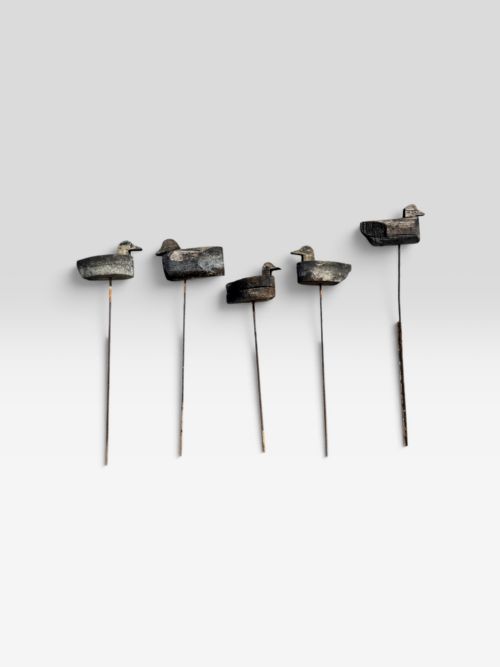
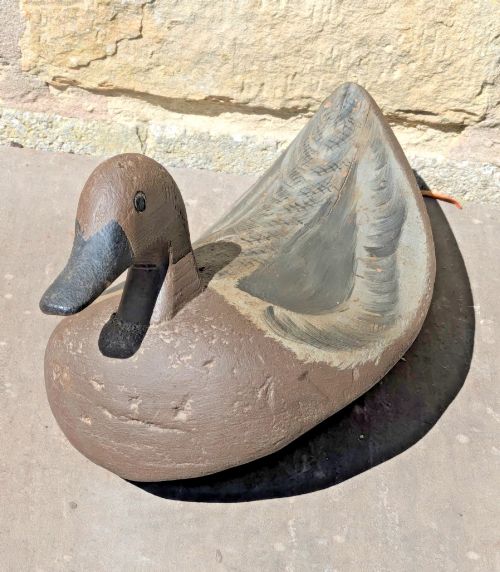
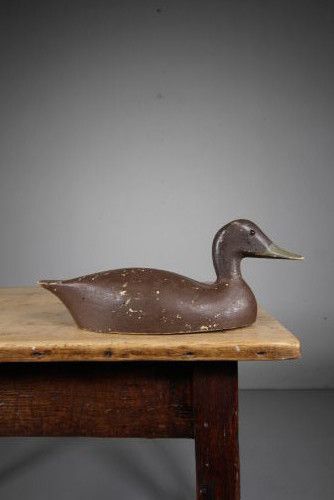
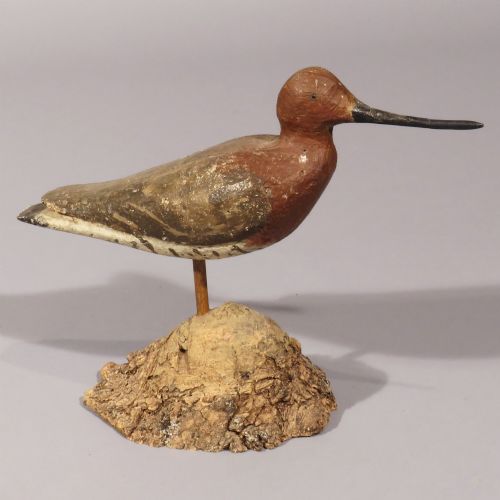
These carved decoy sculpture examples bring rustic birds and water fowl into your interior, shaped from timber and finished with paint.
Carved Decoy Sculpture
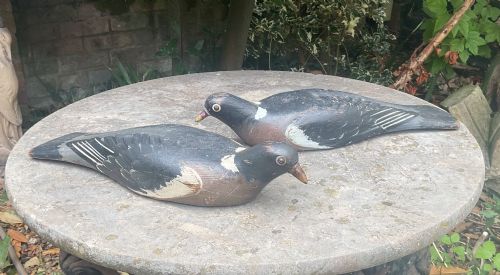
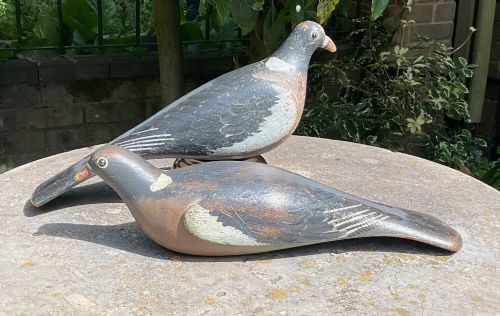
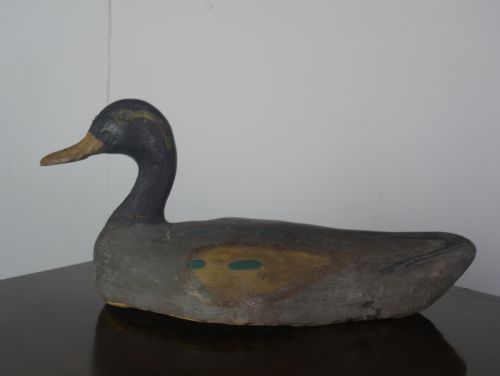
The pieces on this page span the nineteenth century, the Edwardian era, and the nineteen-twenties and nineteen-thirties. Forms range from single swimming ducks to pairs of pigeons and even a loon with her chick.
Most items belong to the broader tradition of folk art, reflecting English and French country craftsmanship. They served as functional items on rivers and dovecotes before becoming decorative objects for the home.
Materials and construction
Makers shaped these sculptures from solid wood, timber, and occasionally bark, relying on hand tools to carve the basic silhouette of the bird. Details such as wing feathers and heads emerge directly from the block through careful cutting and smoothing.
Surfaces receive layers of paint that define the plumage, eyes, and markings of each species. Over decades, this pigment develops weathering and wear that records the age and handling of the object.
One standout piece portrays an American loon accompanied by her chick, bringing a tender family scene from the water into wooden form.
Distinctions in quality
Quality rests on the expressiveness of the carving and how well the form captures the natural posture of the bird. Stronger examples display confident lines in the head and bill, whereas simpler pieces take a more utilitarian approach.
The character of the original paint surface plays a major part in visual appeal. Retaining early or untouched pigment elevates a piece, while later overpainting changes the texture and visual depth of the surface.
The Carved Decoy Sculpture Glossary
- Decoy
- An artificial bird placed by water or in fields to attract wild fowl within range. These objects now function purely as decorative sculptures.
- Folk art
- Utilitarian items made by self-taught or regional craftspeople rather than academic sculptors. These pieces prioritise practical function and direct expression over formal academic rules.
- Dovecote
- A structure or enclosure intended for housing domestic pigeons or doves. Decoys associated with these settings served specific country house purposes.
- Plumage
- The layer of feathers covering a bird, which makers translated into carved and painted surfaces on wooden bodies.
- Patina
- The surface sheen and wear acquired by wood and paint over decades of exposure and handling. This visual depth indicates genuine age.
Carved Decoy Sculpture: Frequently Asked Questions
What are decoy sculptures made from?
These sculptures are carved primarily from wood, timber, and bark, using natural materials suited to outdoor use.
Surfaces are finished with hand-applied paint to render the plumage and distinct markings of each bird species.
How old are these decoys?
The pieces seen here date from the nineteenth century through to the nineteen-thirties, including Edwardian examples.
Their age is evident in the wear of the wooden bodies and the craquelure or softening of the early paint layers.
Were these birds used outdoors?
Many of these items began as working objects placed on water or near dovecotes to draw wild birds.
Over time, their functional role ceased, and they transitioned into decorative objects valued for their folk art appeal.
How do I style a decoy sculpture?
These wooden birds sit well on bookshelves, sideboards, or mantelpieces within rustic or traditional interiors.
Their sculptural silhouettes and weathered paint surfaces complement natural wood furniture and neutral spaces.