
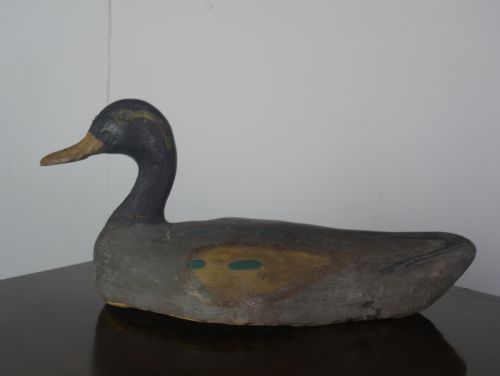


Antique Carved Duck
These antique carved duck figures range from working decoys to folk art carvings, prized for their rustic forms and hand-finished surfaces.
Antique Carved Duck
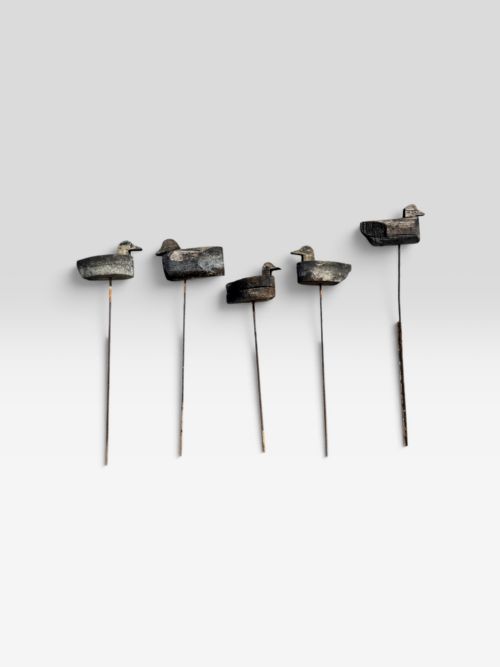
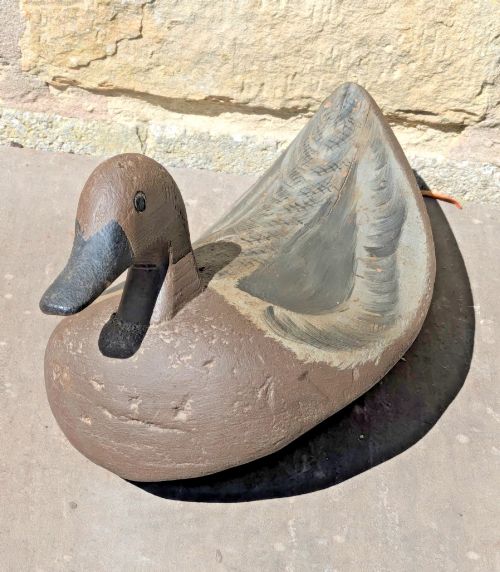
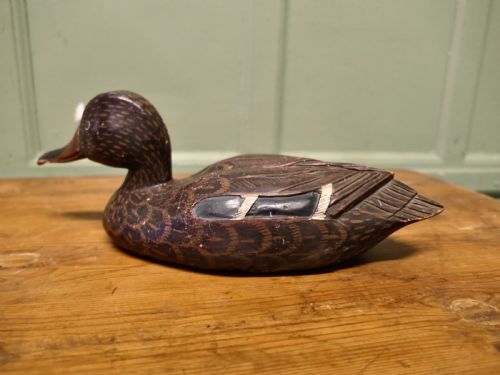
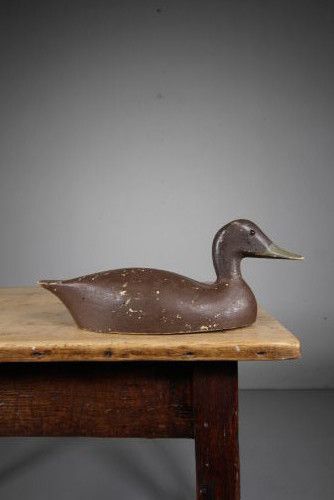
An antique carved duck is typically a wooden decoy or decorative sculpture shaped to represent water birds such as mallards, loons, and mandarin ducks. You will most frequently encounter working decoys originating from the nineteenth and early twentieth centuries, alongside occasional folk art carvings and period Asian hardwood sculptures.
Beyond standalone sculptures, the wider selection includes functional items bearing avian motifs, such as carved walking stick canes, Black Forest wood panels, and figural snuff boxes. These objects reflect both utilitarian origins in shooting and decorative traditions across English, French, Chinese, and European workshops.
How they were made
Makers shaped these pieces primarily from timber, wood, and carved walnut, relying on hand-carving techniques to define the posture and plumage of each bird. The application of paint, sometimes layered over time, created realistic or decorative coloration on the wooden bodies.
Some examples incorporate iron fixings or glass eyes to enhance the realism of the decoy forms. The combination of carved wood and surface paint remains the defining technical characteristic across the majority of the surviving objects.
Listings feature items spanning the 19th Century, Edwardian era, and the 1920s to 1930s, alongside pre-16th century Chinese Song Dynasty ceramics.
What varies in quality
Quality rests in the sculptural vigour of the carving and the preservation of original painted surfaces. Stronger examples display confident tool marks and balanced proportions that capture the natural posture of the bird without stiffness.
The character of the aged patina alters the visual appeal significantly. Pieces retaining genuine, undisturbed surface wear and early pigment sit at a distinct advantage over those with compromised or later finishes.
The Antique Carved Duck Glossary
- Decoy duck
- A carved and painted bird figure historically used by hunters to attract waterfowl. Many surviving examples are now collected purely as decorative folk art.
- Folk art
- Objects created by self-taught or traditional artisans outside formal academic traditions. These pieces prioritise utility and direct visual character over strict artistic convention.
- Black Forest carving
- Intricate woodwork originating from the mountainous regions of central Europe, known for deep relief carving of animals and natural subjects.
- Patina
- The surface appearance developed by materials over time through use, handling, and ageing. A desirable patina shows authentic historic wear without modern intervention.
Antique Carved Duck: Frequently Asked Questions
What is an antique decoy duck?
A decoy duck is a carved wooden figure historically placed on water or shorelines by hunters to lure real waterfowl within range. Over time, these working objects transitioned into decorative folk art appreciated for their sculptural simplicity and historic character.
Today, collectors value them for their regional carving styles and the unique patination accumulated from outdoor use and decades of handling.
How do I date an antique carved duck?
Dating relies on examining the tool marks, construction methods, wood type, and the composition of the paint layers. Earlier nineteenth-century examples often display simpler hand-axe or draw-knife shaping, whereas twentieth-century pieces may show more refined band-saw work.
Analysing the wear patterns and verifying the type of paint used helps distinguish genuinely old surfaces from later decorative reproductions.
Where were these carved ducks made?
The pieces originate from various regions including England, France, America, and China. English and American examples are predominantly working decoys associated with shooting traditions, while Chinese pieces often feature hardwood carvings linked to auspicious symbolism.
Regional differences in silhouette and painting technique allow experienced collectors to identify the likely geographic origin of a carving.
How should I display a wooden decoy?
Wooden decoys suit placement on plain wooden surfaces, bookshelves, or mantelpieces where their sculptural silhouettes can be viewed from multiple angles. Keeping them away from direct sunlight and stable humidity protects the aged wood and original painted surfaces.
Allowing the piece to stand alone without cluttered surroundings highlights the natural texture and hand-carved details of the timber.