


Carved Timber Duck
These carved timber duck pieces combine working utility with vernacular charm, offering character that modern reproductions simply lack.
Carved Timber Duck
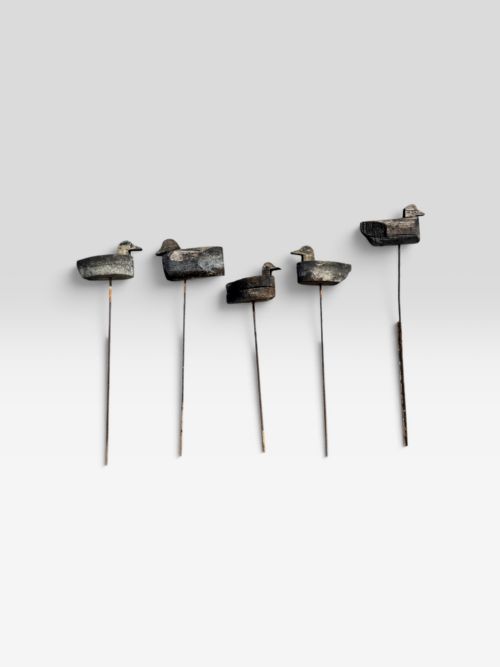
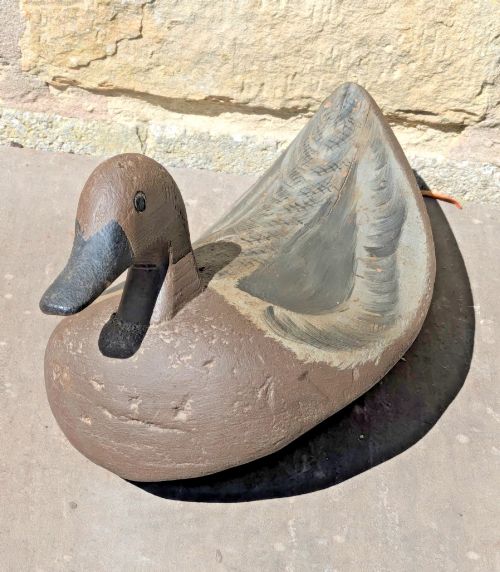
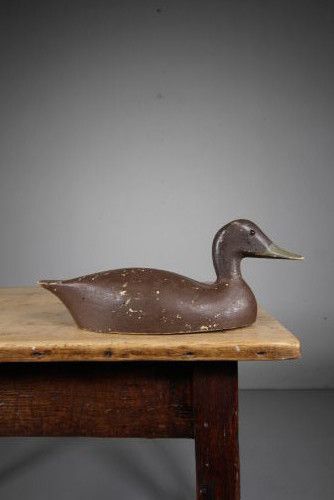
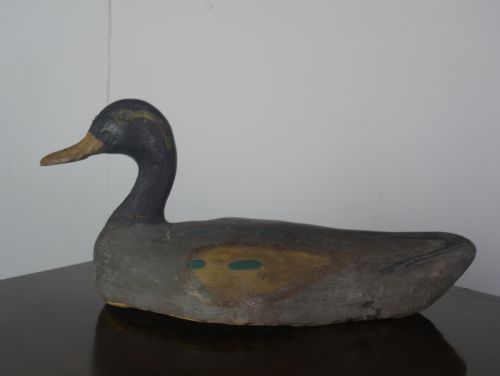
A carved timber duck is primarily a decoy used historically in waterfowling, transformed over time into a sought-after decorative object. When you browse carved timber duck examples, you encounter pieces originating from English, French, American, and Chinese traditions spanning the nineteenth and twentieth centuries.
The most common forms on this page include single working decoys and decorative sculptures, often featuring hand-painted surfaces. Examples range from early twentieth-century English and French rustic items to nineteenth-century sets and pairs.
Folk art and country traditions dominate the selection, though specific regional variants like American loons and Qing Dynasty hardwood mandarin ducks also appear. Buyers acquire these birds to bring tactile, rustic warmth and historical narrative into interior spaces.
How they were made
Maker-carvers shaped these birds primarily from wood, timber, pine, and hardwood, often utilising basic hand tools to achieve organic bodily forms. Iron elements occasionally feature in the construction or weighting of workingdecoys.
Surfaces were frequently finished with paint to mimic natural plumage, weathering over decades to reveal patinated layers. Glass was sometimes incorporated for realistic eyes, adding a lifelike gaze to the carved wooden bodies.
Current listings feature wood, pine, hardwood, and iron materials across Edwardian and 19th-century periods.
What varies in quality
Quality rests heavily on the expressive vigor of the carving and the originality of the painted surface. A piece retaining its authentic, untouched surface patination holds greater visual interest than one with later overpaint.
The sophistication of the silhouette and the balance of the form distinguish standard utilitarian decoys from finer works of folk art sculpture. Proportion, gesture, and the integrity of the timber define the upper tier of the range.
The Carved Timber Duck Glossary
- Decoy duck
- A carved and painted floating or staked figure used by hunters to attract wild waterfowl. These working objects form the foundation of this collecting category.
- Folk art
- Utilitarian or decorative items created by self-taught or traditional makers outside academic artistic standards. These pieces prioritise direct expression over formal convention.
- Hardwood
- Dense timber derived from broad-leaved trees, used for detailed and durable sculptural carving. It provides a heavier, more refined medium than softwoods like pine.
- Patina
- The surface sheen and colour depth developed through age, handling, and environmental exposure. It serves as a key indicator of genuine historical age.
- Qing Dynasty
- The final imperial dynasty of China, spanning from the mid-seventeenth to the early twentieth century. Objects from this era often display distinct regional carving conventions.
Carved Timber Duck: Frequently Asked Questions
What is a decoy duck?
A decoy duck is a carved and painted wooden figure originally utilised by hunters to lure waterfowl onto lakes and rivers. Over time, these functional objects transitioned into appreciated decorative sculptures.
Today, they are collected and displayed in homes for their rustic aesthetic and connection to rural traditions.
How do I date a wooden duck?
Dating relies on examining tool marks, timber types, and the composition of the painted surface. Nineteenth-century pieces often show different wear patterns and construction methods compared to twentieth-century examples.
Stylistic cues and regional carving traits also help narrow down the period of origin.
Are these ducks English or foreign?
The selection includes pieces from various origins, notably English, French, American, and Chinese traditions. Each region employed distinct carving styles and timbers suited to their local craft practices.
Reviewing the specific details in individual listings reveals the geographic background of each bird.
How should I display them?
Carved timber ducks suit various interior settings, from traditional country houses to minimalist modern spaces. They sit comfortably on bookshelves, mantelpieces, or side tables as focal sculptural elements.
Keeping them away from direct heat sources helps preserve the stability of the timber and paint.