


Hand Carved Decoy
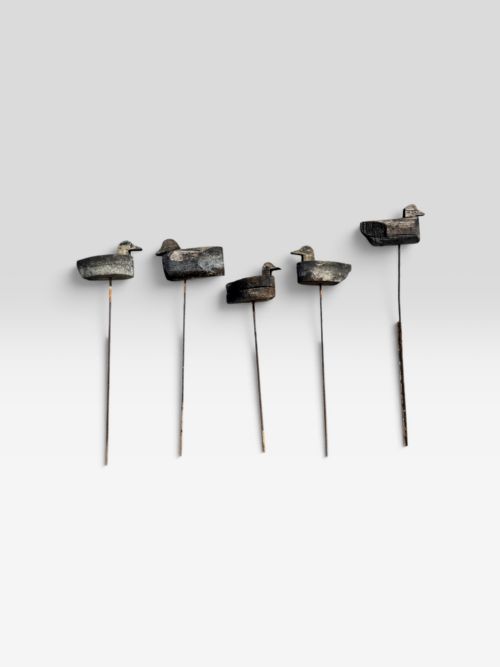
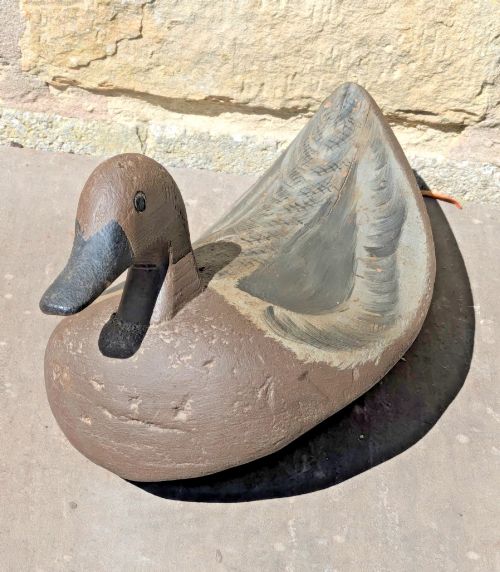
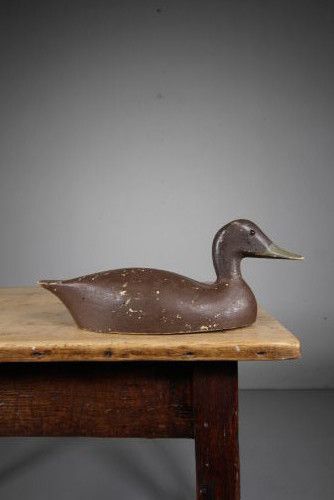
These hand carved decoy items are working birds carved from timber and painted by hand, prized for their rustic sculptural forms.
Hand Carved Decoy
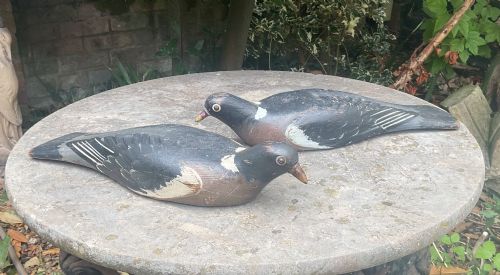
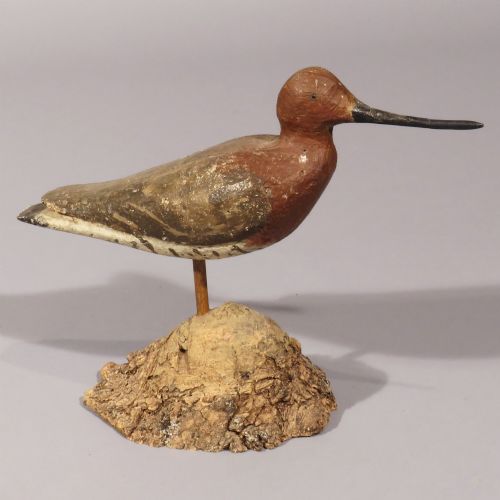
A hand carved decoy is a carved wooden bird sculpture, most commonly represented by ducks, pigeons, geese, and shorebirds such as the black tailed godwit or loon. These decorative objects emerge from the nineteenth century, the Edwardian era, and the nineteen-twenties and thirties.
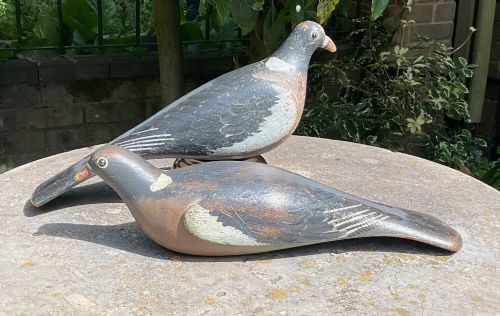
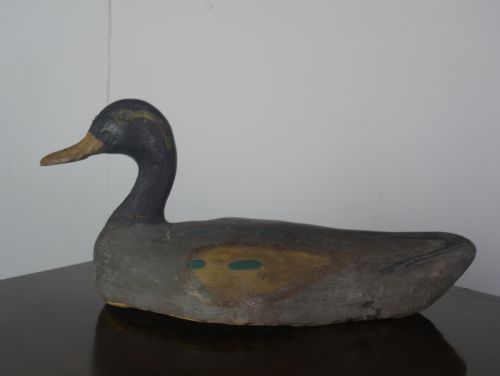
The ducks and pigeons dominate the selections, appearing both as single decorative sculptures and in pairs or sets of three. French and English folk art traditions shape these utilitarian objects into charming display pieces.
Makers fashioned these water birds and land birds from timber, bark, and iron to sit quietly on shelves or tables. Collectors encounter pieces shaped as individual ducks alongside uncommon forms like guinea fowl and geese.
Materials and construction
Craftsmen shaped these decoys primarily from solid wood and carved timber, sometimes incorporating bark and iron elements. Simple hand tools shaped the body and head from local timber before the application of paint.
Surface decoration relies on layers of paint applied by hand to imitate the natural plumage of ducks, pigeons, and shorebirds. Glass eyes occasionally appear in the wooden heads to enhance the lifelike expression of the carved bird.
Hand Carved Decoy Retail Price Guide 2026
Typical asking prices for hand carved decoy among the pieces listed under this phrase on Sellingantiques today, from the lower quarter to the upper quarter. They describe what is for sale here now, not the wider market.
Listings feature items spanning the nineteenth century, the Edwardian era, and the nineteen-twenties and thirties.
Judging the work
Quality rests upon the strength of the carving and the character of the remaining paint surface. Bold tool marks and a pleasing distribution of worn paint distinguish a strong folk art sculpture from a plain utility object.
Proportion and stance dictate visual success, particularly in less common forms such as loons with chicks or multi-bird groups. The integration of original paint layers without heavy later overpainting preserves the integrity of the piece.
The Hand Carved Decoy Glossary
- Decoy
- A carved bird used traditionally to attract wildfowl. These utilitarian items now function as decorative folk art sculptures.
- Folk art
- Artistic work created within a traditional culture by self-taught makers. These objects prioritize practical function and regional style over academic academic rules.
- Edwardian
- Pertaining to the reign of King Edward VII from nineteen hundred to nineteen ten. Pieces from this era display specific regional carving characteristics.
- Godwit
- A large shorebird with a long bill. Decoys shaped as godwits are uncommon additions to collections of waterfowl.
Hand Carved Decoy: Frequently Asked Questions
What is a hand carved decoy?
A hand carved decoy is a wooden bird sculpture originally utilised to lure wildfowl during shooting. Makers shaped timber and applied paint to mimic ducks, pigeons, and geese.
Over time, these working objects transitioned into decorative folk art sculptures valued for their rustic aesthetic.
How old are these decoys?
The pieces span from the nineteenth century through the Edwardian period into the nineteen-twenties and thirties. Most examples date from around nineteen hundred to nineteen thirty.
Nineteenth-century specimens generally show deeper weathering and simpler tool work compared to later twentieth-century iterations.
How do I display a decoy?
Decoys sit effectively on bookshelves, sideboards, or mantels as standalone decorative sculptures. Their sculptural silhouettes pair well with natural materials and rustic interiors.
Pairs or sets of three create a stronger visual arrangement when grouped together on a larger surface.
Are all decoys ducks?
While ducks form the majority of available pieces, makers also carved pigeons, geese, guinea fowl, and shorebirds like the black tailed godwit. Loon figures accompanied by chicks also appear within these traditions.
Non-duck species offer variety for collectors seeking specific bird forms beyond standard waterfowl.