


Vintage Wooden Decoy
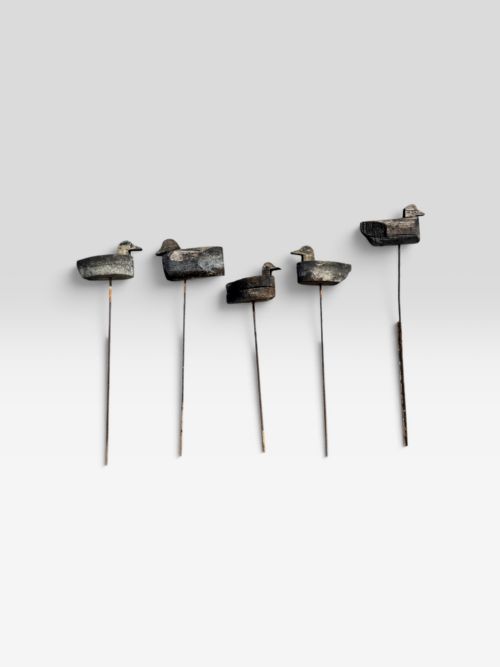
These vintage wooden decoy pieces are working working-waterfowl carvings that now bring genuine rustic character and folk art presence into a room.
Vintage Wooden Decoy
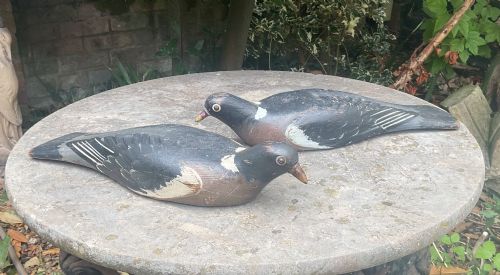
When you search for vintage wooden decoy, you encounter working working-waterfowl carvings and avian figures shaped by hand for the field or water. These objects emerge from the nineteenth century, the Edwardian era, and the nineteen-twenties and thirties, carrying the visual language of English country folk art alongside occasional French and American examples.
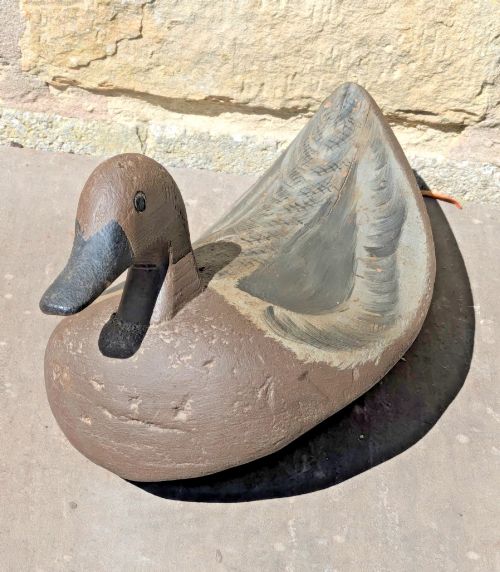
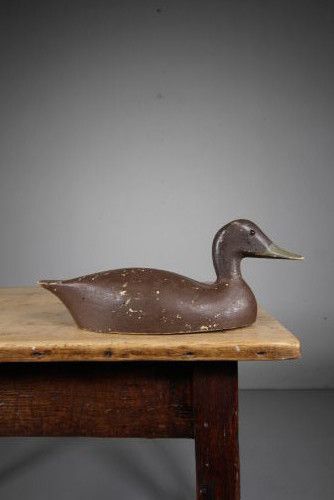
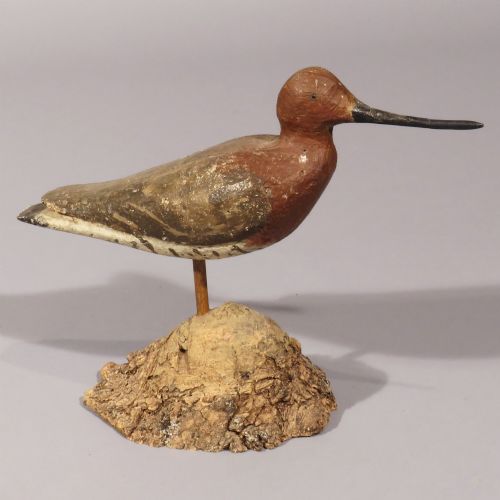
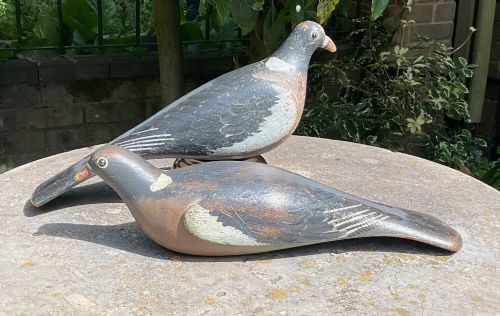
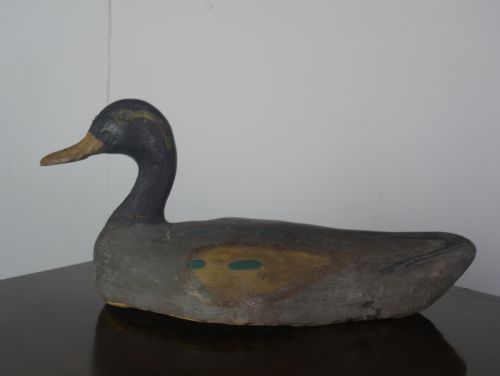
The pieces on this page lean heavily towards decoy ducks, alongside pigeons, doves, a black-tailed godwit, a goose, and even a loon with her chick. Many sit within broader categories of folk art sculptures, treen, and decorative objects, showing how working items transitioned into decorative display pieces.
Most examples you meet are carved from timber or wood, sometimes incorporating bark, glass, metal, or iron fittings. They arrive either in their original layered paint or stripped back to reveal the grain and tool marks of the carver's hand.
How they were made
Maker-carvers shaped these birds using solid timber and carved wood, employing hand tools to block out the form of a duck, pigeon, or shorebird. The construction often involved joining separate sections for the body and head, secured with iron or metal pins.
Surfaces received coats of oil-based or lead paint, applied to mimic the natural plumage of wildfowl. Over decades of use, this paint weathered, flaked, and aged into the crackled patinas seen today.
Among the swimming ducks and resting pigeons, a lone loon carrying her chick on her back reminds us that carvers observed family life on the water.
What varies in quality
Quality rests in the sculptural boldness of the carving and the integrity of the original surface paint. A strong silhouette that captures the alert posture of a duck or pigeon elevates a piece far above a stiff, generic block.
The character of the aged surface dictates desirability, where honest layers of old paint and natural wear outrank stripped timber or overly restored finishes. Maker execution dictates whether a bird possesses living presence or simply mechanical symmetry.
The Vintage Wooden Decoy Glossary
- Treen
- Small handmade wooden domestic objects and treen items fashioned for utility or display. These pieces share workshop origins with many early bird carvings.
- Folk art
- Utilitarian objects made by self-taught or provincial makers without formal academic training. Decoys represent one of the purest expressions of this vernacular tradition.
- Patina
- The surface texture and colour built up through age, handling, and exposure to the elements. On a decoy, this includes the softening of old layered paint.
- Decoy
- A carved or moulded bird used to attract wildfowl within range of a hunter. Their functional beginnings dictate their sturdy construction and simplified forms.
Vintage Wooden Decoy: Frequently Asked Questions
What are vintage wooden decoys?
These are carved wooden birds originally made to lure wildfowl during shooting expeditions.
Today, collectors value them as sculptural folk art objects that embody rural history and traditional craftsmanship.
How were old decoys used?
Carvers floated them on water or staked them in fields to draw passing ducks, geese, and pigeons close.
Their simple, robust construction was designed to withstand harsh weather and repeated handling in lakes and marshes.
How do I style a decoy at home?
Decoys sit naturally on bookshelves, sideboards, or windowsills where their sculptural profiles can be appreciated.
Pair a single duck or pigeon with rustic wood furniture and neutral textures to let the weathered paint stand out.
How do I tell periods apart?
Nineteenth-century examples often display heavier tool marks and denser timbers beneath worn, multiple paint layers.
Edwardian and nineteen-thirties pieces tend towards smoother body contours and stylised plumage details.