
Rustic Wooden Carving
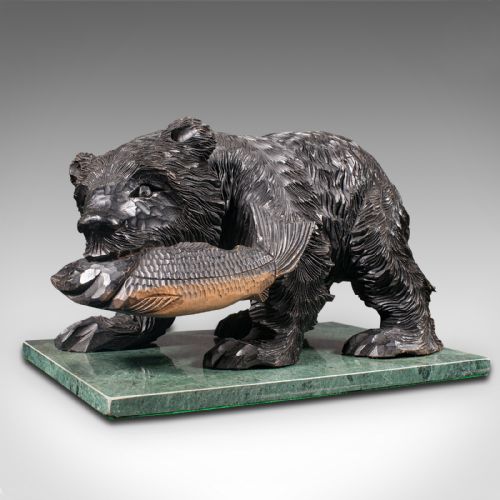
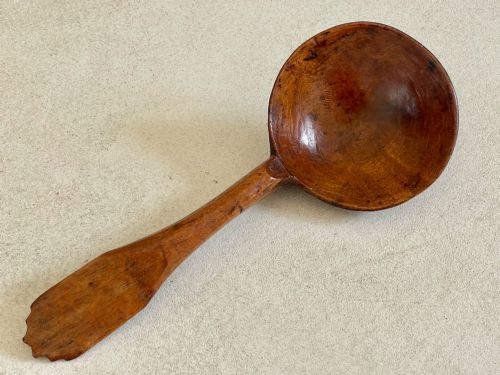
A rustic wooden carving brings genuine warmth to a room, offering tactile hand-worked detail shaped from sturdy timbers.
Rustic Wooden Carving
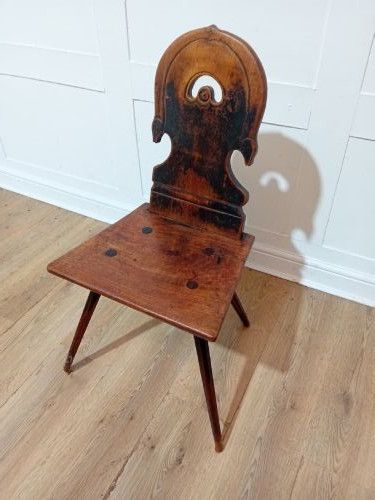
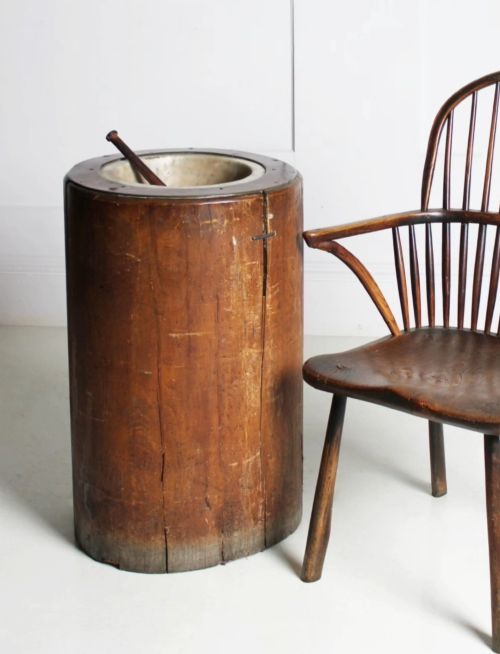
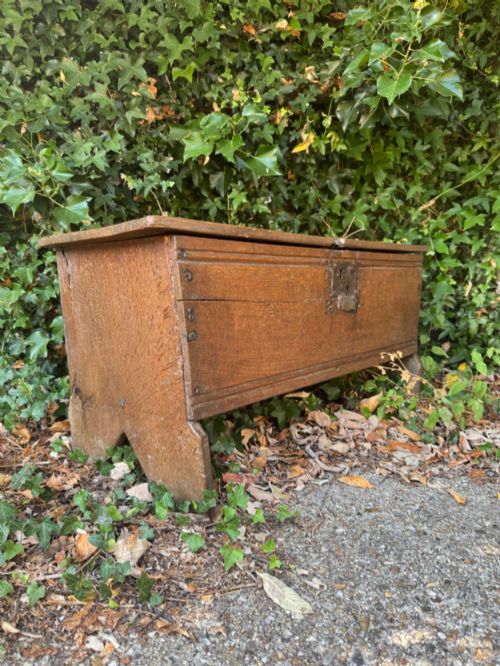
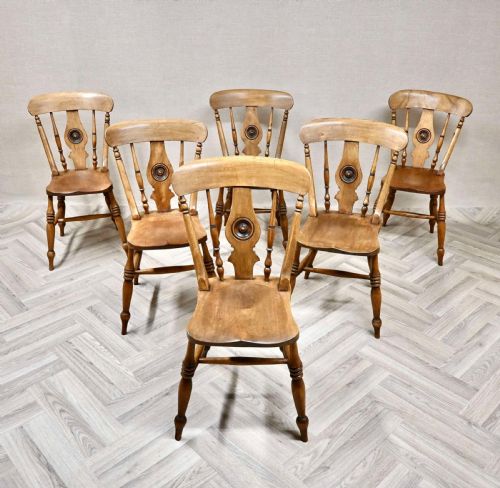
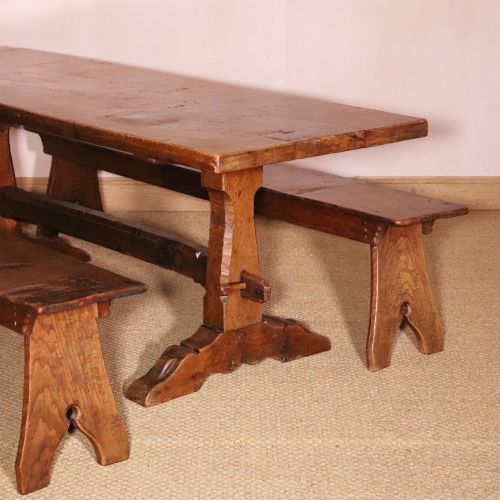
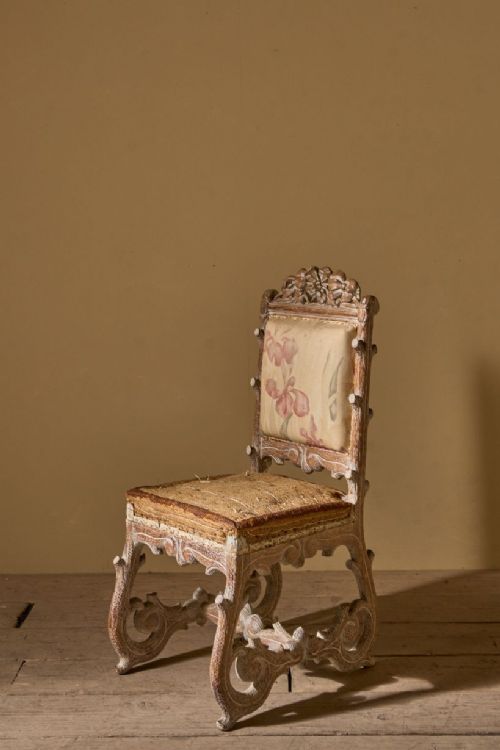
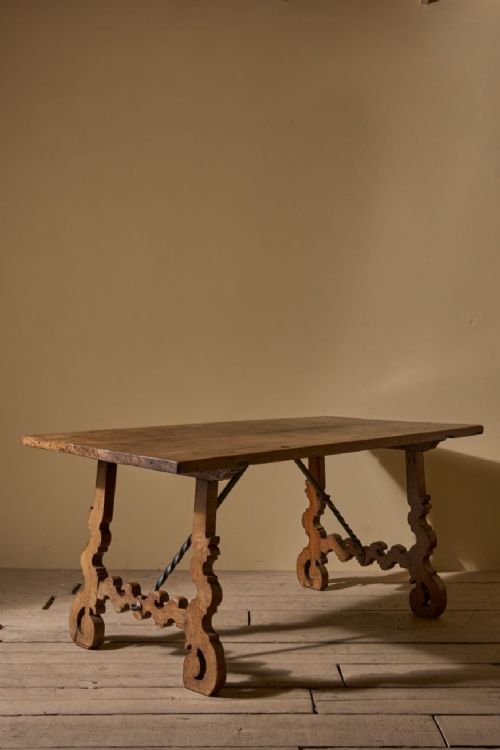
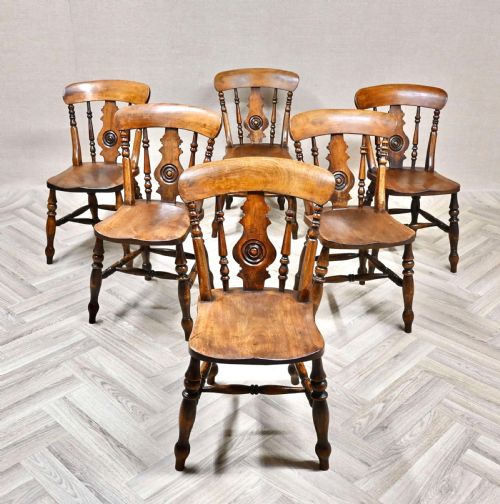
A rustic wooden carving encompasses traditional handcrafted items shaped from solid timber across centuries of domestic and agricultural life. When searching for a rustic wooden carving, buyers encounter practical items such as storage coffers, country chairs, tables, and figural sculptures shaped by hand.
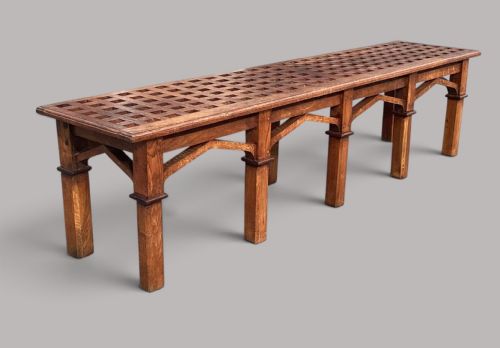
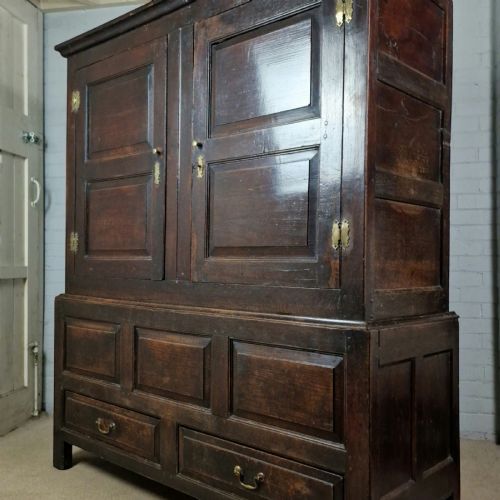
The selection on this page centres primarily on utilitarian oak, elm, and beech forms created during the seventeenth, eighteenth, and nineteenth centuries. These pieces reflect regional European styles, from Welsh settles to French provincial armoires and English farmhouse tables, all displaying honest structural joinery.
How they were made
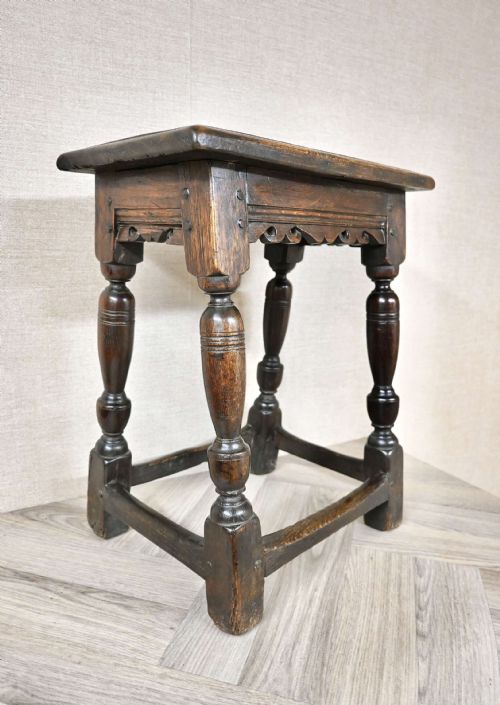
Craftsmen shaped these items using heavy native hardwoods like oak, beech, elm, and sycamore, often supported by iron or brass hardware. Surfaces display the marks of hand tools, adzes, and chisels rather than industrial machinery, yielding solid joints such as mortise and tenon.
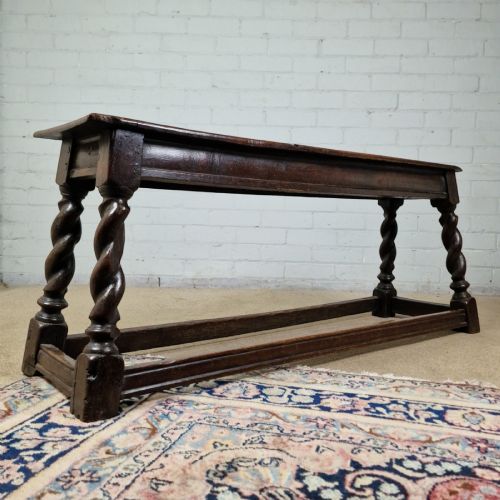
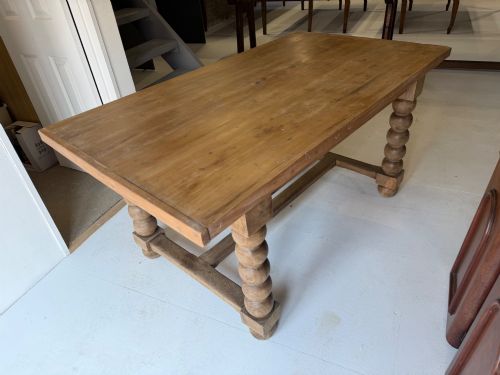
Many objects incorporate turned elements like bobbin legs alongside hand-carved panels, while others retain traces of early paint or natural wax finishes. The construction relies on simple structural logic designed to endure generations of daily use.
Among the utilitarian furniture, delightful animal representations appear, including hand-carved wooden duck decoys and painted decoy pigeons.
What varies in quality
Quality rests in the integrity of the timber, the depth and crispness of the hand-carved detailing, and the proportion of the object. Pieces retaining their original surface patination and uncompromised structural joins command greater appreciation from collectors.
The distinction between standard utility items and finer examples lies in the balance of the proportions and the restraint or ambition of the decorative carving. Regional vernacular pieces show varying degrees of maker skill, from rustic simplicity to sophisticated provincial design.
The Rustic Wooden Carving Glossary
- Coffer
- A large wooden chest used historically for storage, typically constructed from oak with panelled sides and a hinged lid.
- Refectory table
- A long, narrow dining table traditionally built for communal dining in monasteries or large country houses.
- Bobbin turning
- A type of lathe-turned furniture leg or stretcher shaped to resemble a string of rounded wooden bobbins or spools.
- Primitive
- A descriptive term for vernacular items made by local craftspeople without formal adherence to high-style academic design.
- Settle
- A wooden bench featuring high backs, solid arms, and often a storage box beneath the seat to block draughts.
Rustic Wooden Carving: Frequently Asked Questions
How do I care for antique wood?
Keep these items away from direct heat sources and sudden humidity changes to prevent the timber from splitting. Feed the wood occasionally with a traditional beeswax polish to maintain the surface sheen.
Avoid modern liquid silicone sprays, as they build up residue and attract dust over time. Gentle dusting with a dry cloth is sufficient for daily maintenance.
Were these items used daily?
Most pieces originated as functional furniture or equipment for rural homes, farms, and taverns. Tables, chairs, and coffers fulfilled practical household storage and dining requirements.
Their robust construction ensured they survived centuries of heavy domestic use before entering collections today.
How do I date a wooden piece?
Examine the construction methods, tool marks, and fastener types visible on the underside and interior. Hand-cut joints, original wrought iron hinges, and timber shrinkage offer clues to the period of manufacture.
Comparing the style against known regional vernacular traditions helps narrow down the decade or century.
Can I mix these with modern decor?
The honest materials and tactile surfaces of country furniture sit comfortably alongside contemporary minimalist interiors. The warm tones of aged oak and fruitwood provide a grounded contrast to clean modern walls.
Such pieces introduce character and historical depth without overwhelming a simpler room scheme.