
Carved Bird Sculpture
A carved bird sculpture brings the natural world indoors through the focused vision of makers working in wood, bronze, marble and stone.
Carved Bird Sculpture
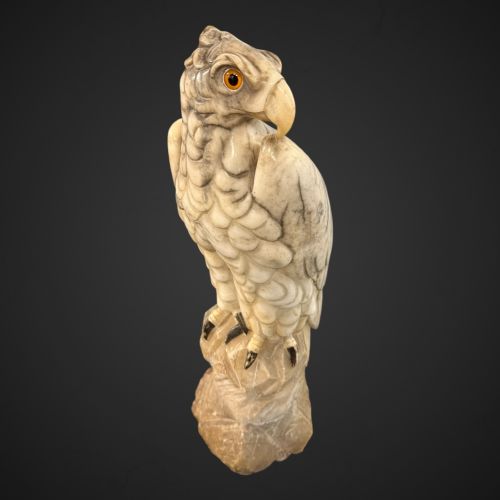
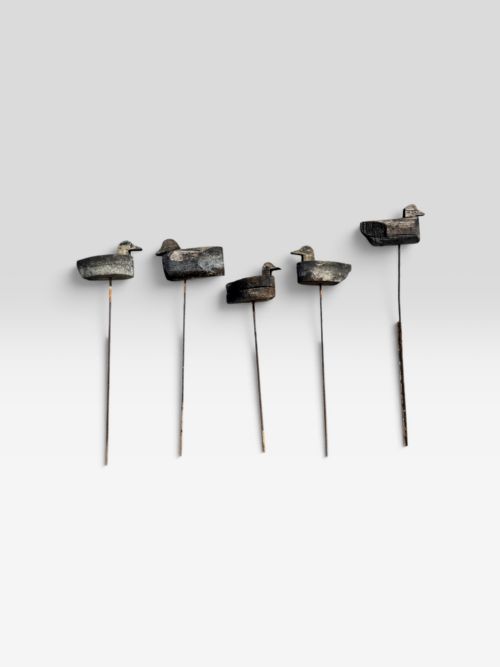
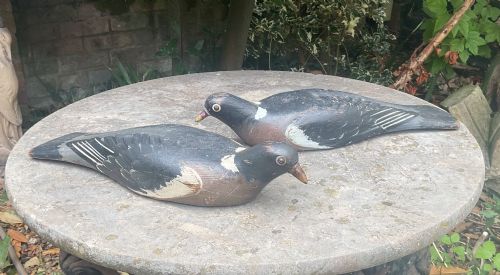
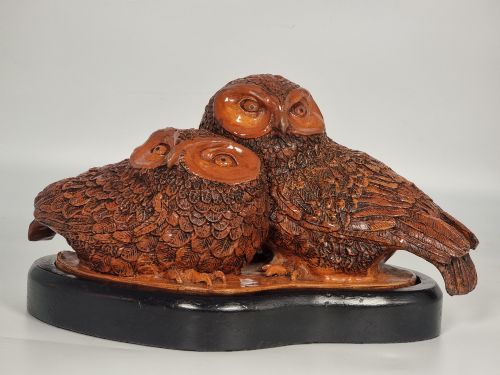
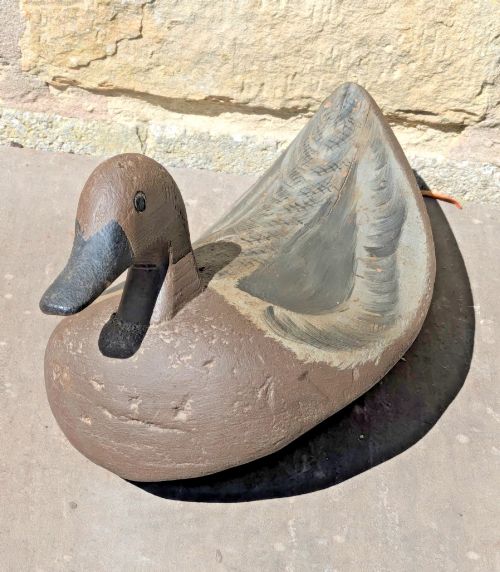
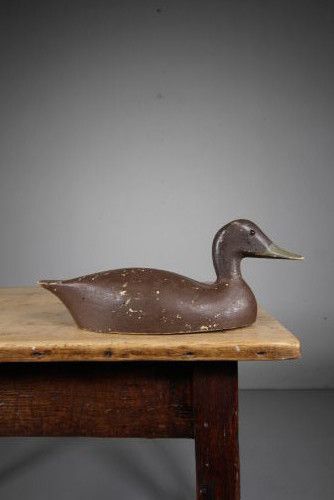
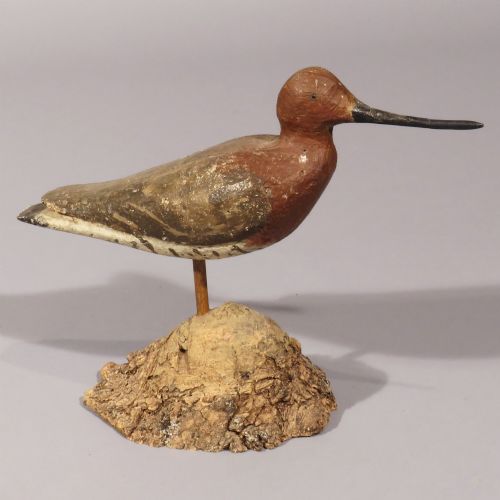
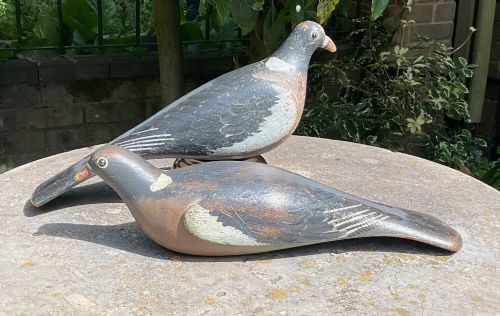
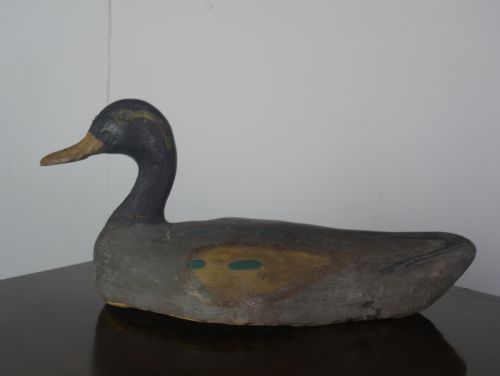
A carved bird sculpture encompasses a wide variety of avian forms, from practical working decoys to decorative figures and scholar's objects. Decoys dominate the selection, appearing frequently as ducks, pigeons, and geese created for use in English, French, and American contexts. These utilitarian objects share space with sculptural interpretations of eagles, parrots, owls, and swans originating from diverse traditions.
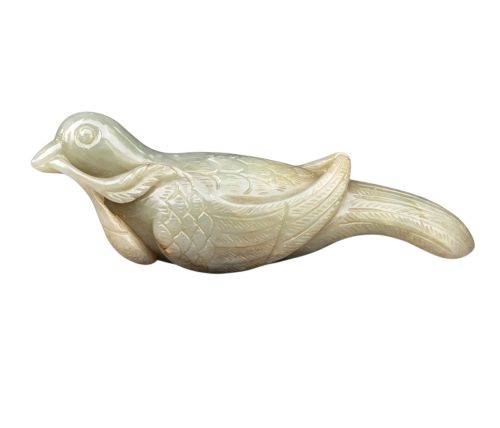
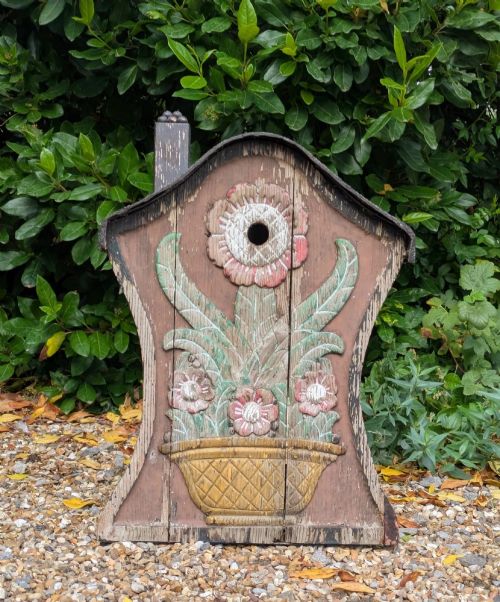
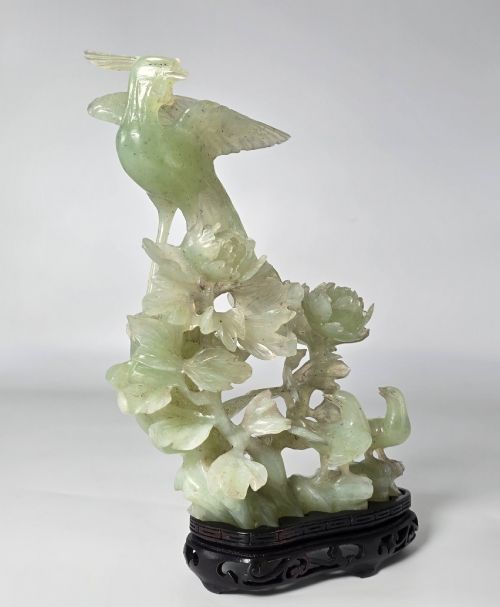
The objects span multiple centuries, with particular concentration in the nineteenth and early twentieth centuries. Pieces emerge from specific regional movements such as Black Forest workshops, Scandinavian country crafts, and English folk art traditions. Alongside these European examples sit Asian jade, stone, and bronze carvings representing birds in distinct stylistic idioms.
Materials and Techniques
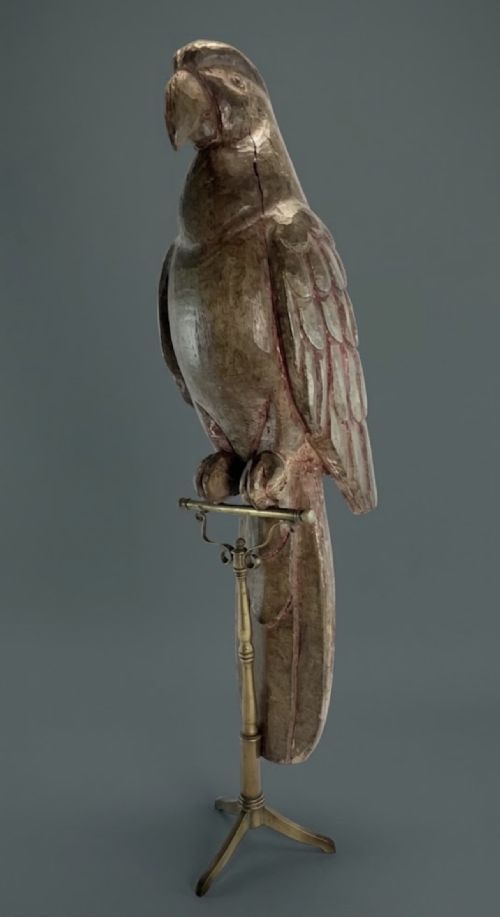
Makers shaped these subjects primarily from various woods including pine, timber, hardwood, and tiger oak, often applying surface paint to simulate plumage. Carving techniques range from the rustic hatchet work and hand-shaping found on working decoys to the intricate detail seen in Black Forest animalier productions. Paint layers on decoys display both original patinas and subsequent working applications.
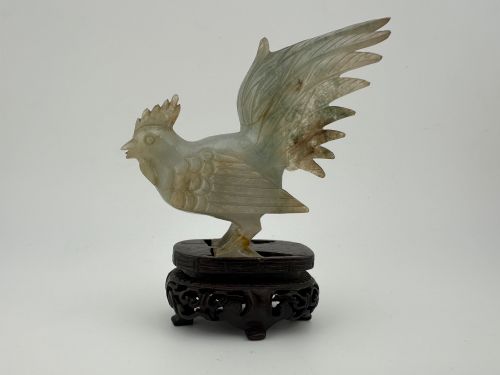
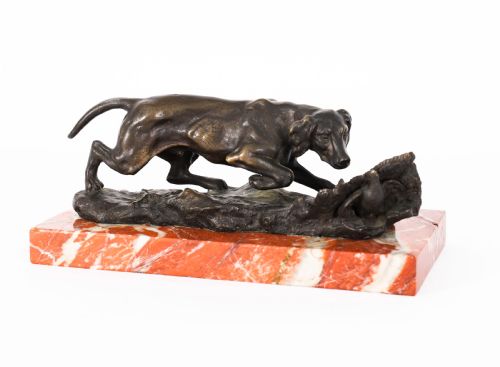
Alternative materials introduce mineral and metallic textures to the category. Sculptors utilised white marble, veined Carrara marble, hardstone, and celadon jade for polished stone figures, while founders cast bronze, silvered bronze, and metal into eagles, hawks, and weathervanes. These harder media demand precision in incision and polishing to define feathers and anatomical proportions.
Listings feature works in wood, painted timber, bronze, marble, pine, hardwood, and jade across folk art and Black Forest styles.
Defining Quality
Anatomical conviction and proportional balance separate standard decorative items from superior sculptural works. The best examples capture the characteristic alert posture or resting weight of the specific species, whether a soaring eagle or a preening duck. Master carvers and metalworkers convey feather texture through confident, purposeful strokes rather than mechanical uniformity.
The integrity of original surfaces plays a primary role in the evaluation of painted wooden decoys and folk art. Wear accumulated through genuine outdoor use and handling tells the history of the object, provided the underlying pigment remains largely undisturbed. Sculptures carved from stone or cast in bronze rely on the crispness of the chisel work and the quality of the material's natural grain.
The Carved Bird Sculpture Glossary
- Decoy
- A carved and painted wooden or metal bird utilised to attract wildfowl during shooting. Working examples display honest wear from the marsh or water.
- Black Forest carving
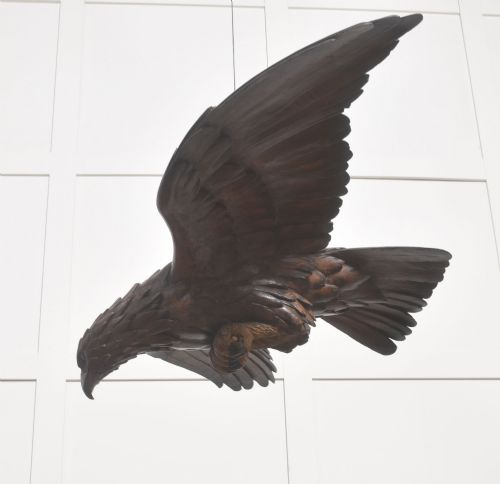
- Detailed woodwork originating from the mountainous regions of central Europe during the nineteenth century. These pieces frequently depict native fauna such as hawks, eagles, and owls rendered with deep relief.
- Animalier
- A nineteenth-century artistic movement dedicated to the realistic portrayal of animals. Sculptors working in this style focused on dynamic anatomical accuracy.
- Folk art
- Utilitarian or decorative objects created within a community tradition rather than academic fine art. Such pieces prioritise direct expression and practical function over formal rules of proportion.
Carved Bird Sculpture: Frequently Asked Questions
What is a decoy?
A decoy is a carved wooden or metal representation of a bird, originally used by hunters to lure wildfowl. These pieces were shaped by hand and painted to mimic the natural plumage of ducks, geese, and pigeons.
Over time, many working decoys transitioned from practical tools into decorative folk art objects collected for their rustic charm and tactile surfaces.
How old are these sculptures?
The pieces span from the eighteenth century through the early twentieth century, encompassing periods like the Victorian era and Edwardian years. Each era brought distinct carving methods and regional styles to avian representation.
Date attribution relies on wood patina, paint composition, tool marks, and stylistic conventions associated with specific workshops and folk traditions.
Where were Black Forest carvings made?
Black Forest carvings originated in the wooded mountainous regions of central Europe, particularly Switzerland and Germany, during the nineteenth century. Local artisans utilised native timbers like walnut and pine to produce dramatic animalier sculptures.
These works often depicted predatory birds, bears, and foliage, carved with deep relief and considerable attention to naturalistic texture.
How do I care for wooden bird sculptures?
Wooden bird sculptures require stable indoor humidity levels and protection from direct sunlight to prevent timber splitting and paint fading. Gentle dusting with a dry cloth preserves the original surface patinas.
Harsh cleaning agents or excessive moisture should be avoided, particularly on painted folk art where the historic pigment remains vulnerable.