


Wooden Bird Figurines
These wooden bird figurines capture nature through carved form and painted surface, offering enduring charm for any interior.
Wooden Bird Figurines
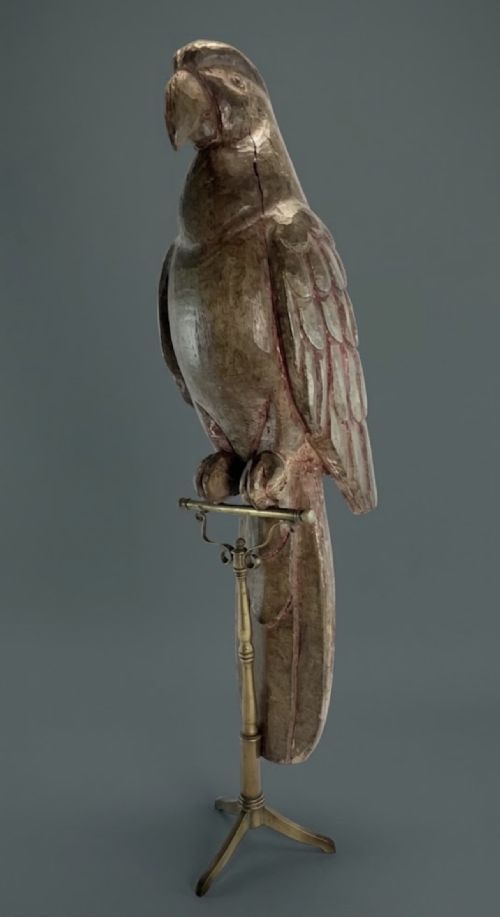
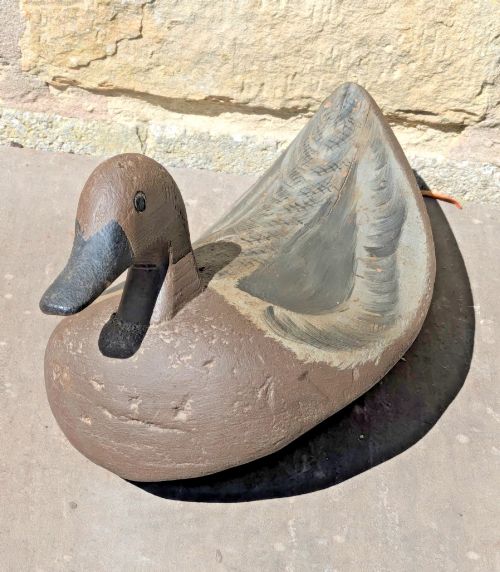
Wooden bird figurines encompass a diverse range of sculptural objects spanning the nineteenth and early twentieth centuries. Collectors searching for wooden bird figurines encounter varied interpretations, from English and French decoy ducks to intricately carved Black Forest hawks and eagles. These decorative figures reflect different regional traditions, including folk art and Oriental styles.
How they were made
Maker's hands shaped these pieces primarily from carved wood, utilising materials such as pine, walnut, mahogany and hardwood. Artisans frequently applied paint or penwork to accentuate plumage, whilst other figures incorporated contrasting elements of brass, glass and porcelain.
Regional workshops employed distinct techniques, from the rustic carving methods of European folk artists to the detailed execution seen in Black Forest and Chinoiserie pieces. Some examples combine carved timber with applied straw or papier mâché to build texture and form.
Listings feature works in wood, paint, glass, brass, porcelain and papier mâché across nineteenth and early twentieth century periods.
What varies in quality
Quality rests upon the skill of the carving and the preservation of the original surface. Sculptures exhibiting confident, anatomically expressive lines in the timber stand apart from simpler work.
The integrity of original painted surfaces and penwork details dictates distinction in these figures. Pieces retaining their early patination and distinct regional characteristics command greater attention from collectors.
The Wooden Bird Figurines Glossary
- Decoy duck
- A floating or land-based wooden waterfowl model historically used by hunters, now collected as folk art. These working objects often display honest wear from outdoor use.
- Black Forest carving
- Ornate woodwork originating from the mountainous regions of central Europe, noted for realistic animal studies. These pieces are typically carved from rich dark timbers like walnut.
- Chinoiserie
- European artistic style reflecting Chinese aesthetic traditions, popular in furniture and decorative objects. It involves motifs and carving styles inspired by East Asian art.
- Folk art
- Utilitarian or decorative items created by self-taught or traditional craftsmen outside academic art circles. Such pieces prioritize direct expression over formal academic training.
Wooden Bird Figurines: Frequently Asked Questions
How were decoy ducks used?
Decoy ducks served a practical purpose on the water, floating to attract real waterfowl within range of hunters. Artisans weighted and balanced these wooden bodies so they sat correctly on the surface.
Over decades of use, many acquired layered repainting and gentle weathering before transitioning into decorative interior objects.
Where do Black Forest carvings originate?
Black Forest carvings emerged from woodworking communities in central Europe, particularly around Switzerland and Germany. Artisans there specialised in highly detailed animal sculptures and rustic furnishings.
These pieces typically utilise dark woods like walnut and focus on native wildlife, including birds of prey.
How do I care for antique wood carvings?
Protect antique wood carvings by placing them away from direct sunlight and sudden temperature fluctuations. Stable indoor humidity prevents timber from splitting or warping over time.
Dust the carved surfaces gently with a dry, soft cloth and avoid applying modern polishes or cleaning agents that might harm original finishes.