


Brown Wood Bird Sculpture
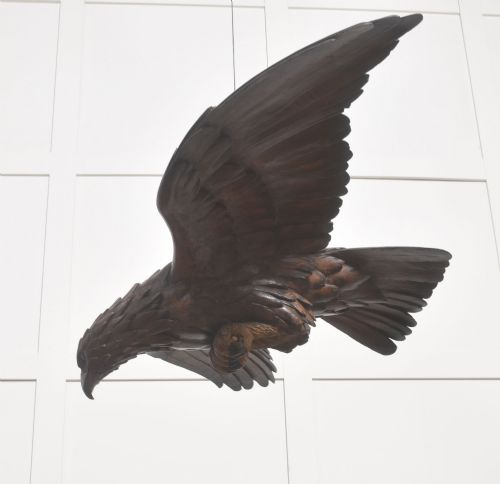
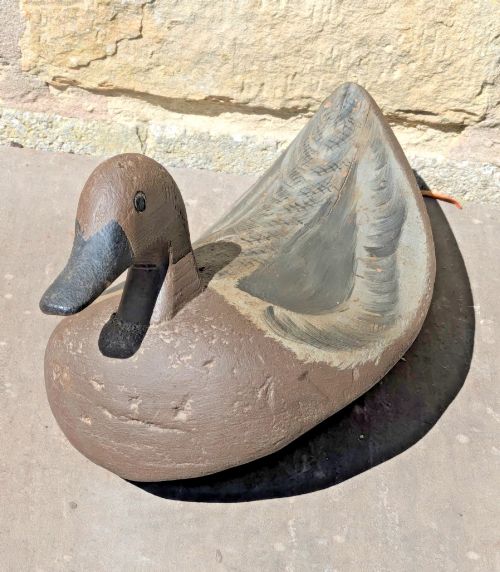
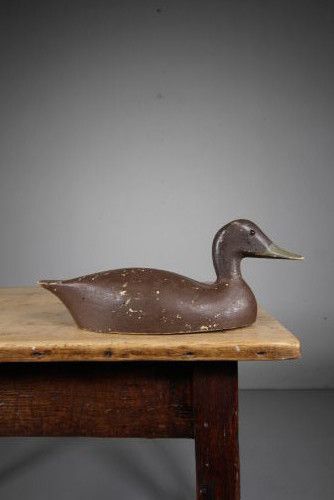
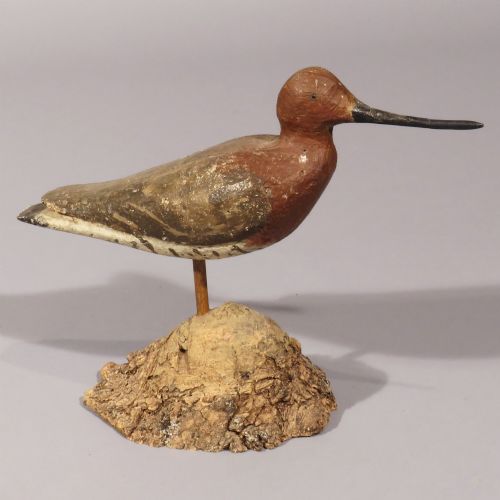
These brown wood bird sculpture pieces range from Black Forest carvings to English decoys, bringing tactile avian presence to a room.
Brown Wood Bird Sculpture
When you search for a brown wood bird sculpture, you encounter carved avian figures originating from the nineteenth century up to the Edwardian era. These pieces encompass working decoys, folk art carvings, and European decorative works.
The selections on this page feature wooden decoys like the hand-painted duck and godwit figures alongside Black Forest eagles and hawks. Artisans shaped these objects from hardwoods, pine, walnut, and root wood, often applying paint or dark stains.
Regional styles vary from English country folk art to Japanese Meiji period bronzes on root wood bases and Chinese Qing dynasty hardwood Mandarin ducks. You are most likely to meet nineteenth-century Black Forest raptors and early twentieth-century wooden decoy ducks.
Carving and Pigment
Carvers shaped these birds using traditional hand tools on various timber species including walnut, pine, hardwood, and root wood. Some sculptures incorporate bark elements or natural timber grain to enhance the tactile realism of the feathers.
Many decoy ducks display hand-painted surfaces, whilst other pieces utilise dark stains or penwork details executed in a chinoiserie style. Japanese and Chinese examples demonstrate precise joinery and carving techniques applied to exotic hardwoods and bronze elements.
The listings span the nineteenth century and the Edwardian period, featuring materials such as carved wood, hardwood, paint, and bronze.
Form and Finish
The distinction between ordinary and exceptional works rests in the anatomical accuracy and the liveliness of the carving. Master carvers captured the tension in an eagle's wing or the relaxed posture of a decoy with assured knife work rather than mechanical smoothing.
The Brown Wood Bird Sculpture Glossary
- Black Forest carving
- Nineteenth-century Swiss and German woodwork typically depicting animals with deep undercutting and realistic glass eyes. These sculptures often represent birds of prey such as eagles and hawks.
- Decoy
- A carved or moulded figure placed by hunters to attract wildfowl. Traditional examples feature weighted wooden bodies and hand-painted plumage appropriate to the species.
- Chinoiserie
- European artistic style reflecting Chinese decorative motifs. Applied to wooden sculptures, it manifests in specific surface penwork and stylistic avian forms.
- Root wood
- Timber sourced from the root system of a tree, valued by carvers for its dense, gnarled grain patterns. It frequently serves as a naturalistic base for sculptural bronzes.
Brown Wood Bird Sculpture: Frequently Asked Questions
What is a Black Forest bird carving?
These are nineteenth-century wooden sculptures, primarily from Switzerland and Germany, depicting hawks, eagles, and other birds with dramatic detail. They were created as decorative ornaments for European homes.
Carvers utilised local timber, applying dark stains and sometimes glass eyes to achieve lifelike expressions.
How were antique wooden decoys used?
Decoys served a practical function on the water, floating to attract wildfowl within range of hunters. Working pieces received robust construction and functional paint finishes.
Over time, many lost their utilitarian purpose and transitioned into decorative folk art collections.
How do I date a wooden bird sculpture?
Dating relies on examining the tool marks, timber species, and surface finishes characteristic of specific periods like the Victorian or Edwardian eras. Stylistic clues, such as Meiji period conventions or folk art traditions, also help narrow the origin.
Comparing the construction methods to documented pieces provides further chronological context.
Where should I display these sculptures?
These wooden birds suit placement on mantelpieces, bookshelves, or dedicated side tables where their carved details remain visible. Pairing them with natural materials complements their organic aesthetic.
Keep them away from direct heat sources and strong sunlight to protect the wood and painted surfaces.