




English Carved Birds
English carved birds bring character to a room, ranging from painted decoys to gilded wooden figures.
English Carved Birds
When you search for English carved birds, you find a collection of decorative objects spanning the Georgian, Victorian, and Edwardian eras. These pieces include wooden decoy ducks and pigeons alongside more ornate gilded figures.
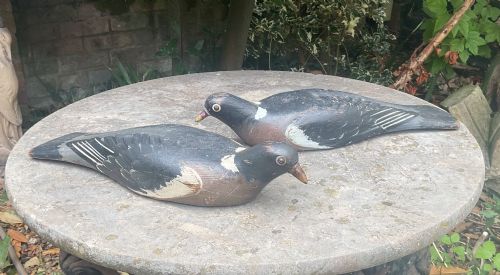
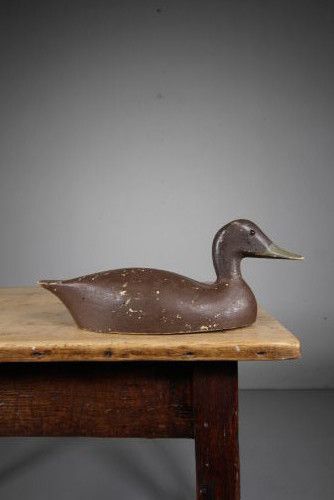
The versions you are most likely to meet on this page are decoy ducks and pigeons fashioned from wood and finished with paint. Other examples take the form of carved eagles and decorative accessories associated with English country houses.
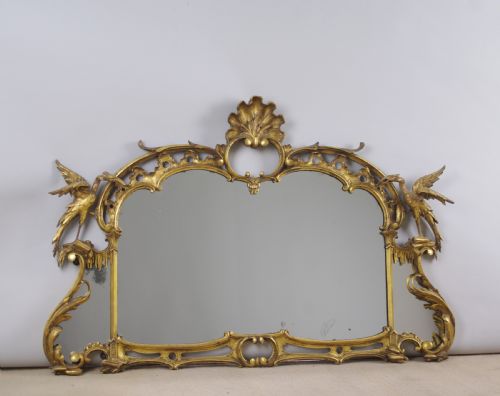
Makers utilised various periods and styles, including English folk art and the chinoiserie taste, resulting in objects that function primarily as sculptural decoration. The forms vary from utilitarian decoys to elaborate display items.
Materials and construction
Carvers shaped these birds primarily from solid wood, employing hand-carving techniques to define the plumage and posture. Paint and penwork surface treatments were applied to enhance the realism or decorative appeal of the figures.
Giltwood appears on more formal pieces where gold leaf was laid over gesso and carved wooden frames. Other works incorporate glass and brass elements as part of their broader decorative schemes.
Listings feature wood and paint as the dominant materials alongside giltwood and brass, spanning the Georgian to Edwardian periods.
Assessing quality
The distinction between ordinary and exceptional pieces lies in the precision and vigour of the carving. Hand-carved details that capture the natural posture of a bird elevate the artistic merit of the object.
Surface preservation plays a major role in establishing the character of these items. Original painted or gilded surfaces that retain their historic patina command greater interest than stripped or heavily restored examples.
The English Carved Birds Glossary
- Decoy
- A carved or moulded figure once utilised to attract wildfowl. These working objects now serve as popular decorative sculptures.
- Folk art
- Utilitarian or decorative items created by self-taught or traditional craftsmen rather than academic artists. This style often displays robust forms and simple materials.
- Giltwood
- Timber that has been coated with gold leaf or gold paint. This technique appeared frequently on mirrors and decorative carvings from the Georgian period onward.
- Chinoiserie
- European artistic style reflecting Chinese motifs and decorative techniques. It gained popularity during the eighteenth century and influenced various carved wooden items.
English Carved Birds: Frequently Asked Questions
What are English carved birds?
These pieces comprise wooden sculptures, working decoys, and decorative accents shaped by craftsmen over past centuries.
They reflect traditional skills and aesthetic tastes ranging from rural folk art to formal country house decoration.
How were antique decoys used?
Decoys served a practical purpose for hunters who placed them on water or fields to attract live birds within range.
Today, they are appreciated entirely as sculptural objects of historic interest.
Where should I place carved birds?
These figures suit display on mantelpieces, bookshelves, or side tables where their carved forms and painted surfaces can be seen.
They integrate well into traditional and eclectic interiors alike.
How do I identify the period?
Dating relies on examining the timber species, tool marks, and the character of any remaining paint or gilding.
Stylistic cues such as folk art simplicity or rococo ornamentation also point toward specific eras.