




Vintage Wooden Sculptures
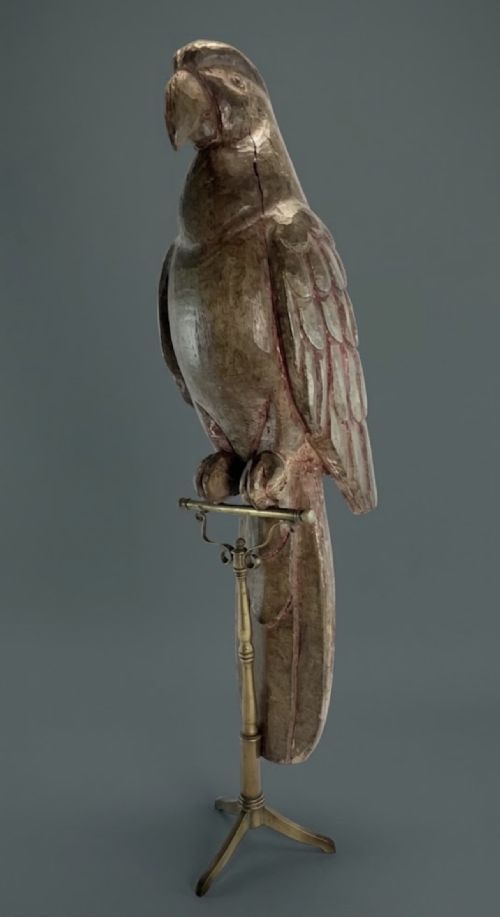
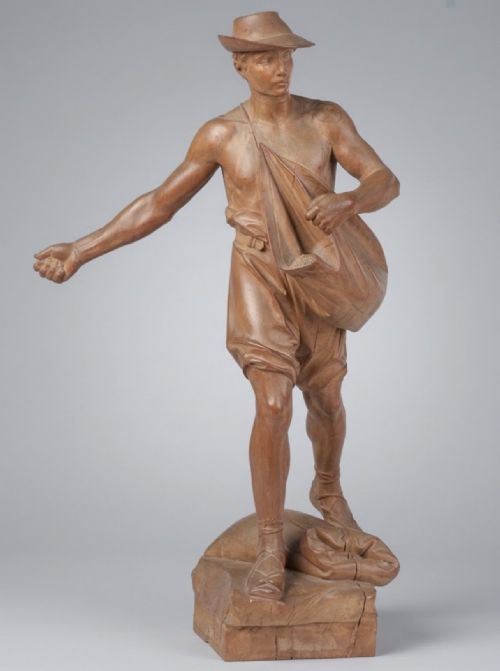
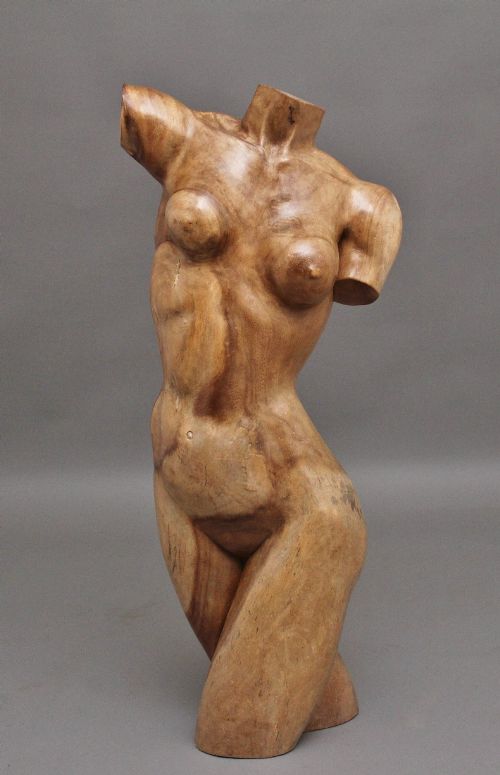
These vintage wooden sculptures bring carved animals, folk art models and figures from the eighteenth, nineteenth and twentieth centuries into your home.
Vintage Wooden Sculptures
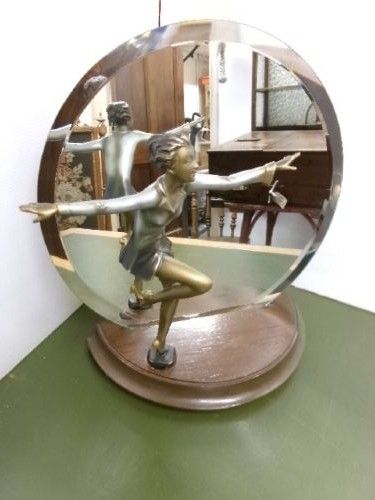
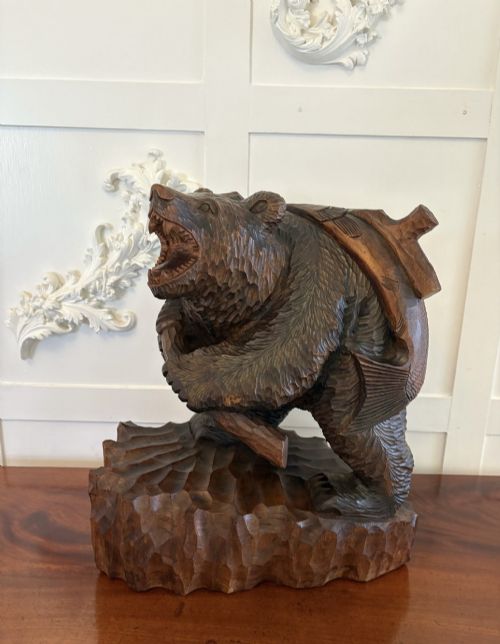
Vintage wooden sculptures encompass hand-carved animals, figures, decoys and folk art objects spanning from the eighteenth century through to the Art Deco era. You will frequently encounter Black Forest carvings, duck decoys and animal figures created around nineteen hundred.
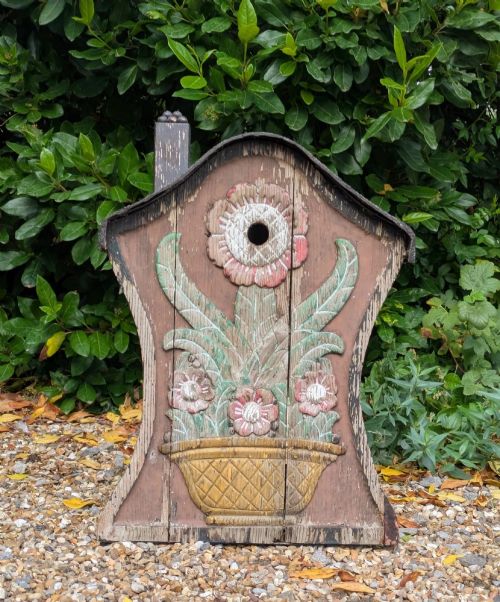
The selections range from utility items transformed into folk art, such as trade signs and bird boxes, to decorative figures including sphinxes, saints and dancers. Many pieces reflect regional styles from England, Switzerland, Japan and India.
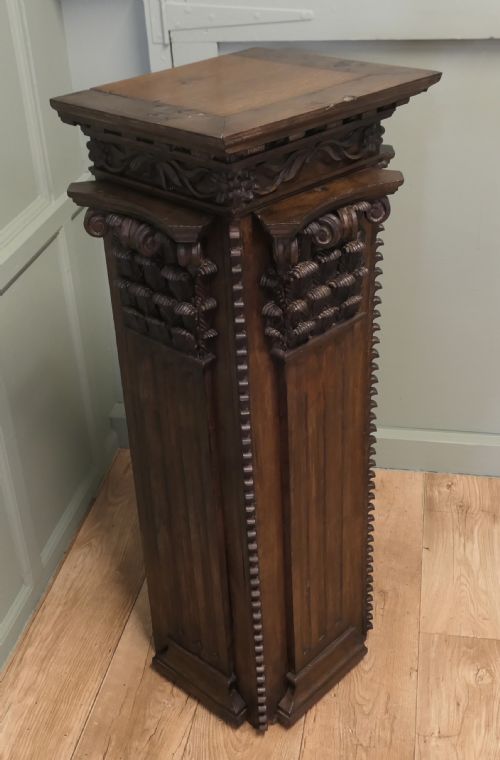
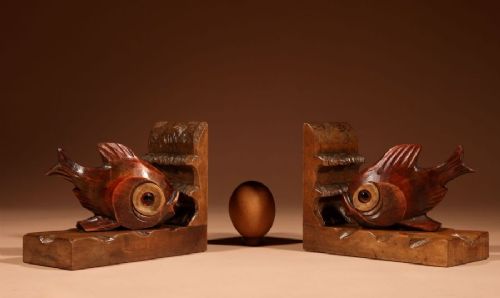
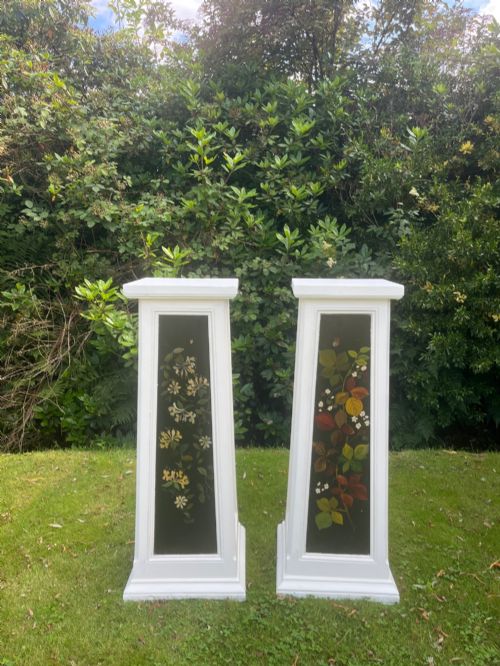
Sculptures take many physical forms, appearing as standalone figures, bookends, wall reliefs and models supported by turned pedestals or columns. They serve primarily as decorative objects that record the vernacular craft of past centuries.
What varies in quality
Quality rests in the precision and expression of the carving, distinguishing a lively animal representation from a stiff or plain execution. Details such as carved fur, facial expressions and anatomical proportions show the sculptor's skill.
Original surface finishes, including untouched paint layers or patinated bare timber, elevate a piece above examples that have undergone heavy restoration or stripping. The sophistication of the design, from naive folk art to accomplished academic portraiture, dictates the standing of the work.
A Saint Bernard rescue dog sculpture stands ready to pull weary travellers through imaginary snowstorms.
Jules Buste Labatut·G J Lines·George Henry Paulin
The Vintage Wooden Sculptures Glossary
- Black Forest
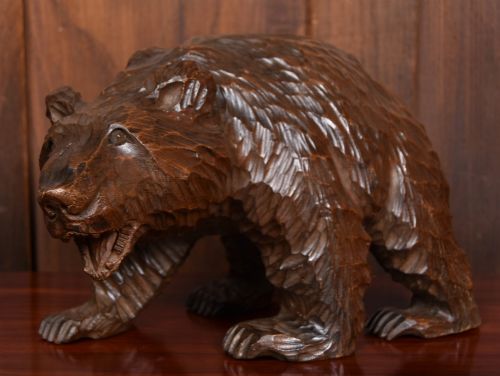
- A style of wood carving originating from the Brienz region of Switzerland, typically depicting bears, animals and foliage. These pieces often date from the late nineteenth and early twentieth centuries.
- Decoy
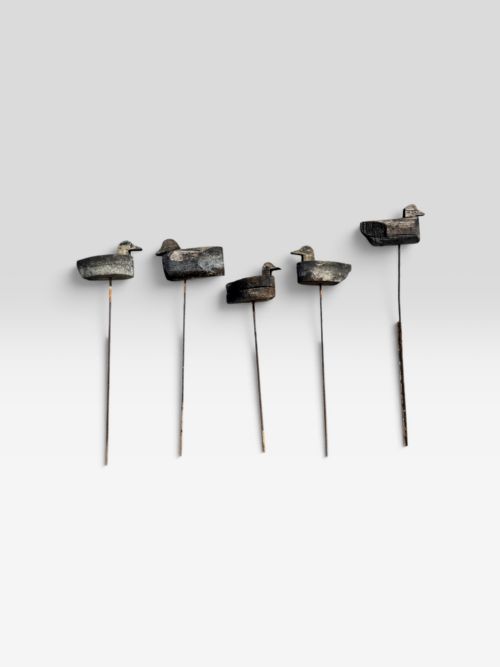
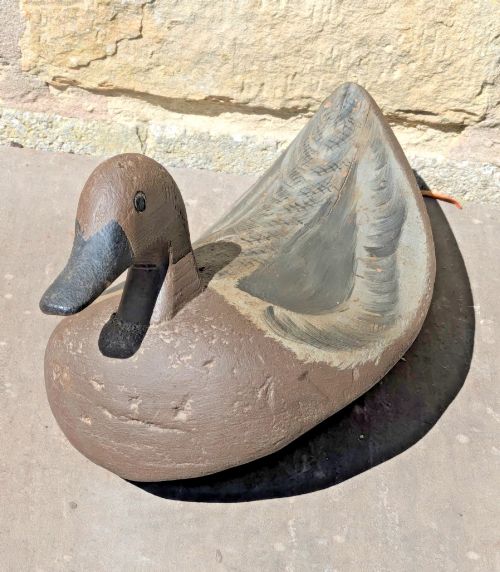
- A carved and painted wooden bird or animal historically used by hunters to attract wildlife. Many surviving examples are collected today as folk art objects.
- Gesso
- A plaster-like mixture applied to wood surfaces to prepare them for painting or gilding. It provides a smooth ground for decorative finishes.
- Folk art
- Art produced by self-taught or indigenous artisans within a community tradition, often utilitarian objects decorated by hand. These pieces prioritise naive charm over academic proportion.
- Plinth
- A heavy base or pedestal supporting a sculpture, bust or column. They are turned or carved from solid timber.
Vintage Wooden Sculptures: Frequently Asked Questions
How do I care for vintage wooden sculptures?
Keep carved wooden pieces away from direct sunlight and sudden temperature changes to prevent the timber from drying out and splitting. Dust gently with a dry, soft cloth and avoid liquid polishes that build up on carved surfaces.
Maintaining stable indoor humidity preserves both the wood and any original painted decoration. Handle figures by their main body rather than protruding limbs or ears.
Are duck decoys meant for display?
While originally made for shooting wildfowl, surviving wooden decoys are now collected entirely as decorative folk art objects. Their weathered paint and simple forms suit placement on shelves, tables or mantelpieces.
Many examples retain lead weights or original working mounts on their undersides, recording their functional origins.
What is Black Forest carving?
Black Forest carving refers to intricately detailed wooden sculptures of animals, notably bears, dogs and stags, produced in European mountain regions. They gained popularity during the Victorian and Edwardian periods as decorative items for the home.
These pieces range from small bookends and inkwells to life-sized figures, often carved from limewood or walnut.
How can I tell the age of a wooden sculpture?
Age is indicated by the tool marks, timber shrinkage, wear patterns and the type of finish applied to the surface. Hand-carved pieces from the eighteenth and nineteenth centuries show irregular chisel marks rather than machine sanding.
Examining the base, fixings and any historical paint layers helps differentiate older vernacular pieces from later reproductions.