

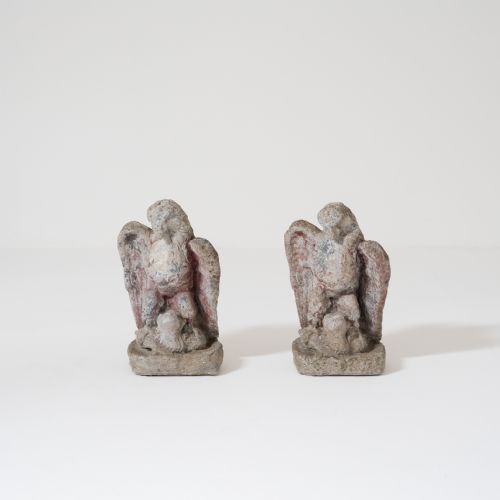


Antique Eagle Statues
These antique eagle statues range from Japanese bronzes to Black Forest carvings, bringing classical power and intricate detail to any room.
Antique Eagle Statues
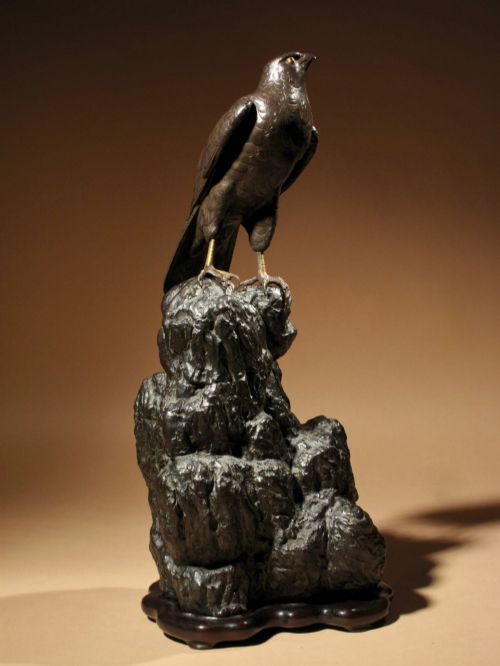
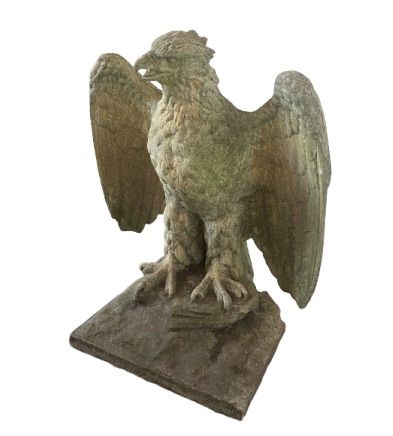
When you search for antique eagle statues, you enter a diverse field spanning domestic carvings, garden ornaments, and French cabinet bronzes. The forms vary from architectural pier finials to detailed Japanese okimono sculptures.
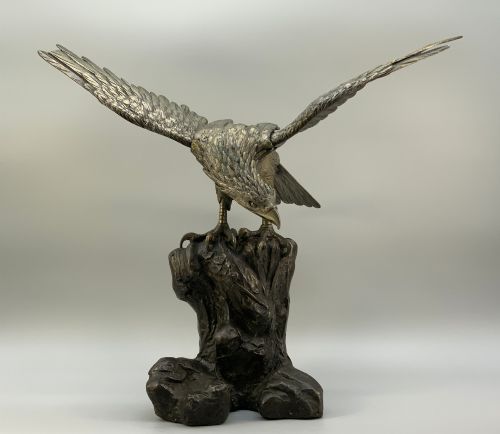
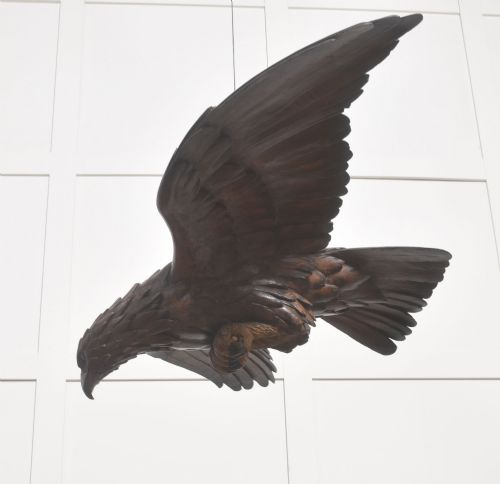
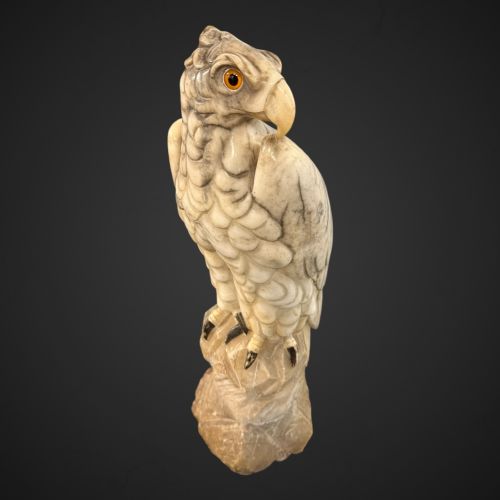
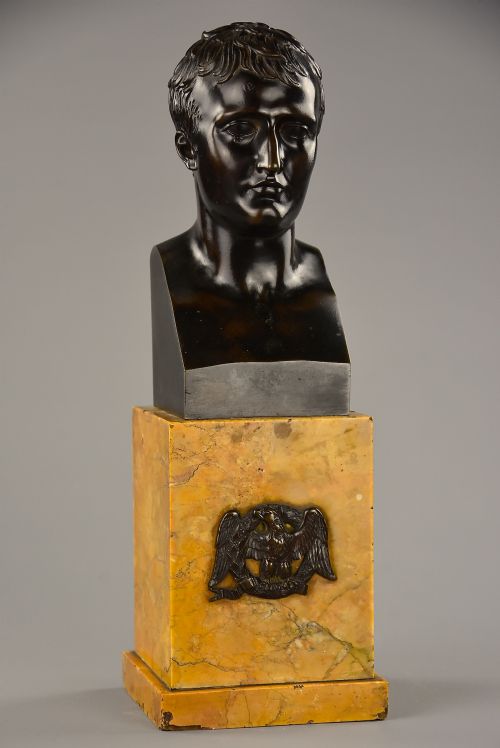
Nineteenth century pieces dominate the selection, particularly French bronze works and substantial wood carvings from the Black Forest tradition. You will also encounter Edwardian stone figures and Japanese Meiji period bronzes with root wood bases.
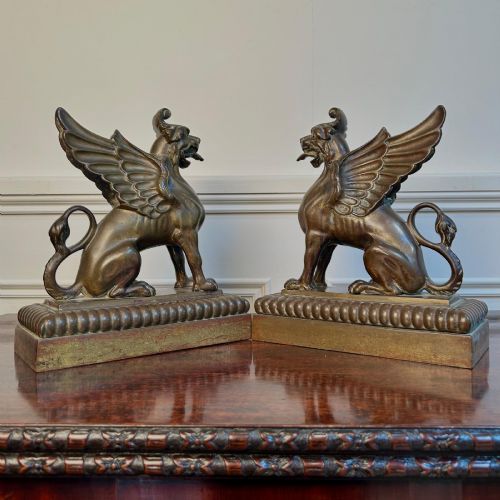
The selection includes specific mythical variants like griffins alongside naturalistic studies of birds of prey devouring prey. These pieces served as mantel clocks, inkwells, and garden sentinels as well as pure sculpture.
Materials and Methods
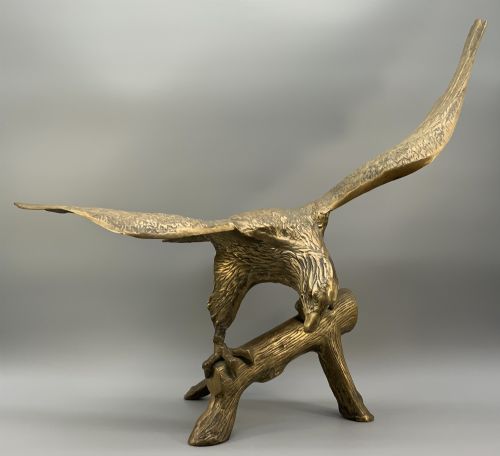
Foundry casting accounts for the metal examples, utilising bronze, gilt bronze, and patinated bronze finished with careful chasing and sometimes silvering. Founders employed the lost-wax method or sand casting to achieve sharp feather detail.
Carved wood pieces rely on timber such as walnut, shaped with gouges and chisels to create deep relief and textured plumage. Stone and composite materials shape the outdoor garden pieces for exterior durability.
Marble elements incorporate veined Carrara marble for bases and statues, while porcelain and plaster form the rarer figural and bust variations.
Several eagles double as functional inkwells or clock mounts, proving that nineteenth-century desks required a distinct touch of predatory dignity.
Distinctions in Execution
The precision of the chisel or the fidelity of the bronze chase determines the success of the feather work and the alertness of the posture. Superior examples capture musculature and tension accurately without losing anatomical coherence in the wings.
Surface finish separates ordinary production from exceptional output, seen in the depth of the French patination or the crispness of the gilt highlights. Original mounting to marble bases or root wood stands alters the integrity of the piece.
Antoine Louis Barye·Barbedienne·Christophe Fratin·Gyoko·A. Marionnet
The Antique Eagle Statues Glossary
- Okimono
- A Japanese ornamental statue designed for display on a traditional room shelf. These carvings often depict animals with extreme realism.
- Patinated bronze
- Metal sculpture treated with chemicals to produce a stable surface colour ranging from warm brown to deep green. This coating protects the bronze while defining the sculptural contours.
- Pier finial
- An architectural ornament placed on top of a gate pier or wall end. These are typically cast in stone or composite materials to withstand exterior weather.
- Black Forest carving
- Woodwork originating from the mountainous region of central Europe, noted for naturalistic animal subjects. Walnut and lime wood are the primary materials used by these carvers.
Antique Eagle Statues: Frequently Asked Questions
How do I care for bronze statues?
Dust the surface regularly with a soft, dry brush to prevent dirt accumulation in the recessed feather details.
Apply a very light coat of microcrystalline wax occasionally to protect the patination from moisture and handling.
Where were Black Forest carvings made?
These wooden sculptures originated in the wooded highlands of central Europe during the nineteenth century. Local artisans utilised native timbers to produce dynamic animal figures.
The style became particularly popular for domestic interiors and hall furniture throughout the Victorian era.
Are these statues suitable for gardens?
Only pieces explicitly cast in stone, composite stone, or weathered cast iron should remain outdoors year-round. These materials resist frost and moisture better than interior bronzes or carved woods.
Bronze and wood pieces require sheltered placement away from direct dampness and extreme temperature shifts.
How do I identify a Meiji period bronze?
Meiji bronzes display meticulous attention to anatomical detail, often featuring distinct feather texturing and realistic postures. Look for signature marks applied by the metalworker or foundry.
Many of these Japanese sculptures incorporate bespoke root wood bases carved to match the contours of the bronze feet.