
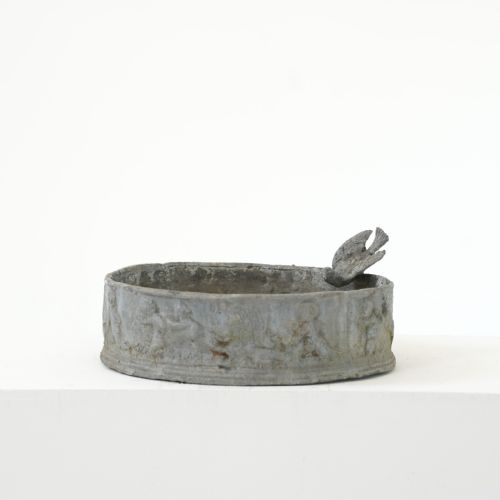


Antique Carved Bird Figures
Antique carved bird figures span centuries of craft, bringing avian forms to life in wood, marble and bronze for display.
Antique Carved Bird Figures
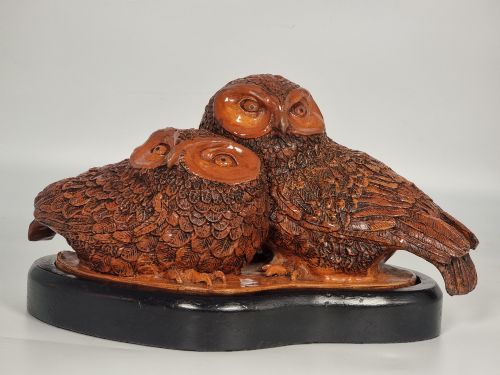
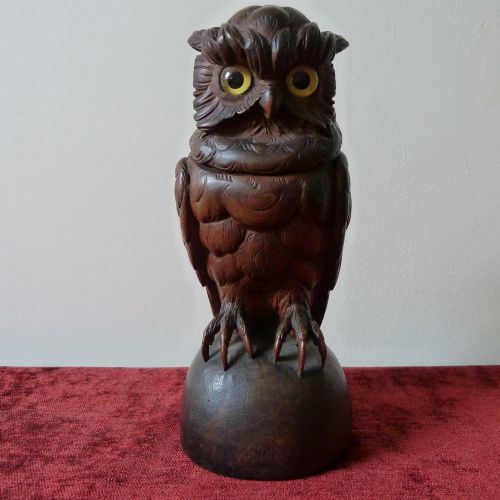
These antique carved bird figures encompass a broad sweep of sculptures, decorative objects and functional pieces like inkwells and dovecote decoys. Collectors encounter everything from folk art decoys to European Black Forest carvings and Asian hardwood or jade sculptures.
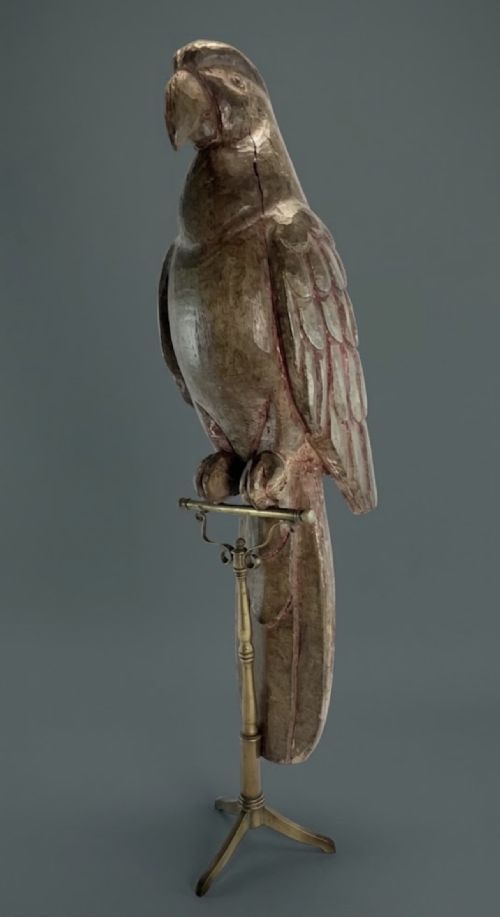
The selection on this page leans heavily into nineteenth-century works, alongside pieces from the early twentieth century and the eighteenth century. Buyers frequently meet wooden subjects such as parrots, eagles, ducks, herons and swans.
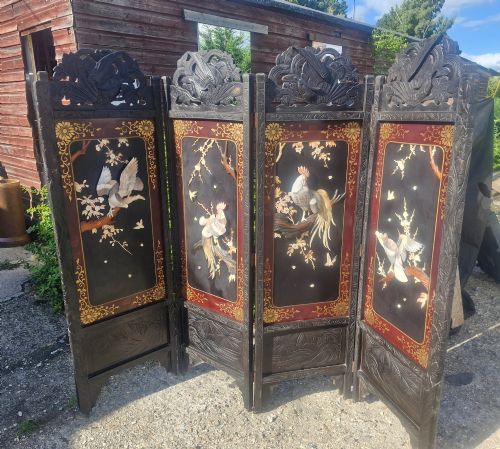
Forms range from freestanding statues and pairs of giltwood eagles to folding screens and ink stands. European folk art and Black Forest traditions sit alongside Chinese Qing dynasty and Japanese Meiji period works.
Materials and methods
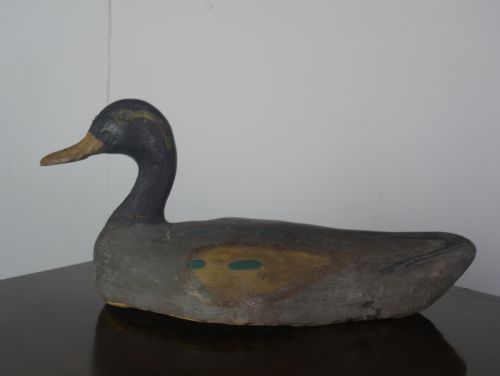
Makers shaped these subjects primarily from various woods, employing carving techniques on hardwood, pine, root wood and gesso-prepared surfaces. Paint, penwork and gilding frequently finish the wooden bodies, as seen on decoy ducks and giltwood swans.
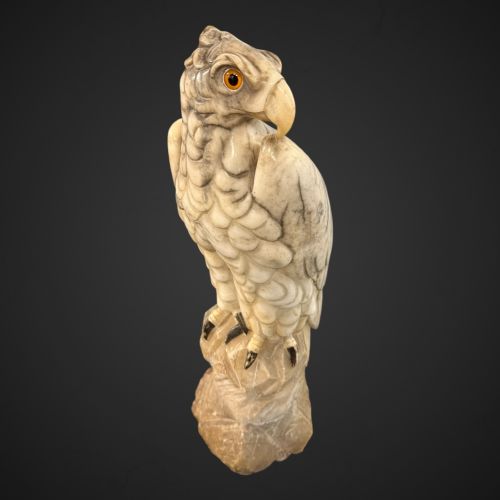
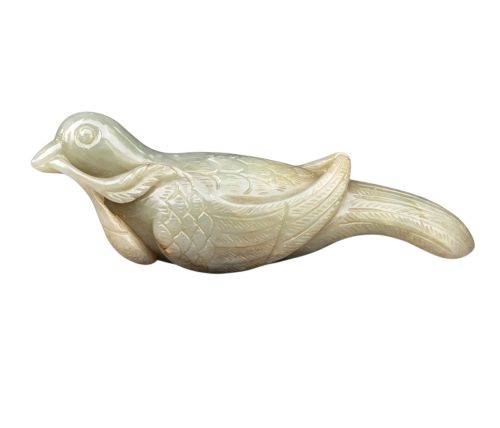
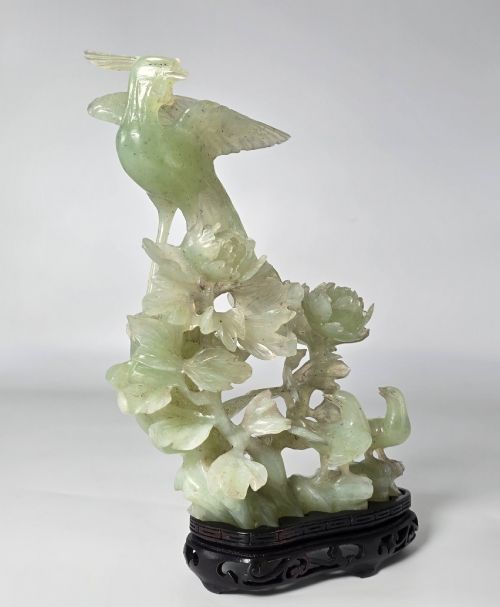
Certain pieces utilise stone and metal, incorporating veined Carrara marble for eagle statues, bronze for large raptors, and brass stands for parrots. Bone and jade appear in Asian scholarly carvings, demonstrating intricate handwork across diverse mediums.
The selection includes folk art, Black Forest, Qing dynasty, Meiji period and chinoiserie styles.
Assessing quality and execution
The distinction between standard and superior pieces rests on the naturalism and depth of the carving. Master carvers captured anatomical precision in feathers and posture, whereas lesser works remain stiff and blocky.
Surface preservation dictates overall desirability, with original painted or gilded finishes holding greater visual weight. The integration of functional elements, such as inkwells or root wood bases, also influences the character of the object.
The Antique Carved Bird Figures Glossary
- Black Forest carving
- European wood-carving style originating in Switzerland and Germany during the nineteenth century. These works typically depict animals and birds in realistic or rustic poses.
- Decoy
- Working wooden or metal model used to attract birds during hunting. Antique examples often display weathered painted surfaces from practical use.
- Giltwood
- Timber treated with gold leaf or gold paint applied over a preparation layer such as gesso. This technique provides a bright metallic finish to decorative sculptures.
- Meiji Period
- Era of Japanese history lasting from eighteen sixty-eight to nineteen twelve. Carvings from this time demonstrate exceptional technical skill in bronze and wood.
- Qing Dynasty
- The final imperial dynasty of China, ruling from sixteen forty-four to nineteen twelve. Sculptures from this period utilise materials like hardwood and jade.
Antique Carved Bird Figures: Frequently Asked Questions
What are Black Forest bird carvings?
Black Forest bird carvings are nineteenth-century wooden sculptures originating from Central Europe, known for deep, realistic texturing. They often depict raptors, owls or songbirds and sometimes incorporate functional compartments like inkwells.
These pieces rely on skilled hand-carving to render intricate feather details. They reflect a nineteenth-century taste for rustic domestic decoration.
How do I date an antique wooden decoy?
Dating a wooden decoy involves examining the tool marks, timber type and degradation of the painted surface. Earlier pieces often show hand-whittled facets beneath layers of flaking working paint.
Comparative styles across nineteenth and early twentieth-century folk art also help narrow the origin. Iron hardware or lead weights can provide further chronological clues.
Where were carved bird figures displayed?
These figures served various roles depending on their form, from country house dovecotes to scholar's desks and formal mantelpieces. Inkwells and pen stands sat upon writing furniture in studies.
Larger sculptures like eagles or pairs of ducks stood freely on tables, pedestals or specialised root wood bases. Folding screens and architectural carvings integrated directly into room interiors.
How should I care for antique wooden birds?
Care for antique wooden birds requires maintaining a stable indoor environment away from direct sunlight and sudden temperature shifts. Excessive dryness causes timber to split.
Dusting should be done gently with a soft dry brush rather than liquid cleaners. Preserving original painted or gilded surfaces avoids diminishing the historical integrity of the piece.