


Antique Folk Art Duck
These antique folk art duck figures combine utilitarian working heritage with charming vernacular style, offering rustic character for modern interiors.
Antique Folk Art Duck
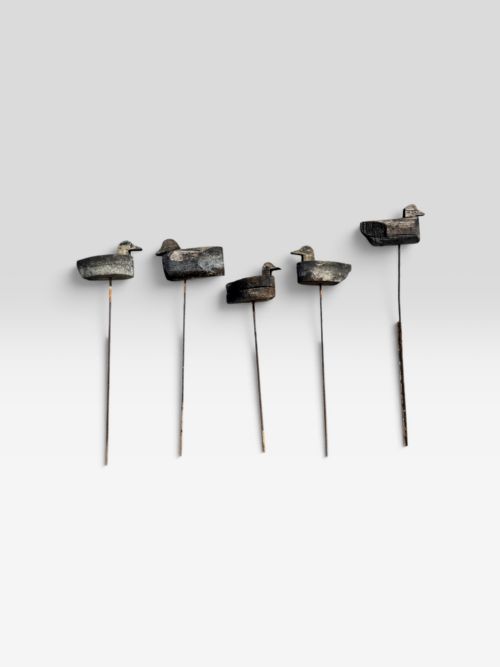
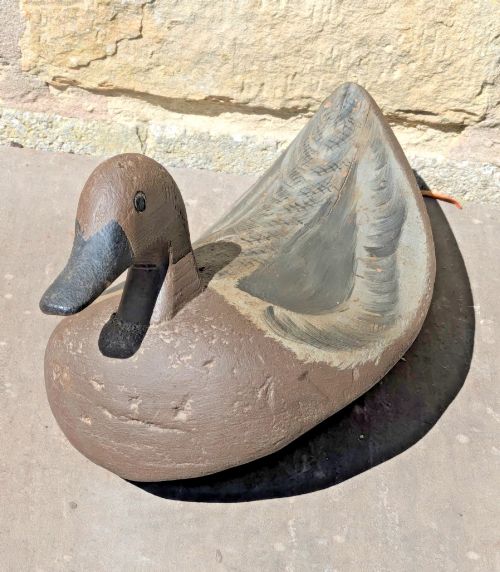
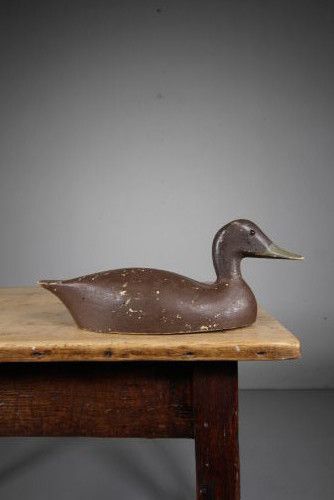
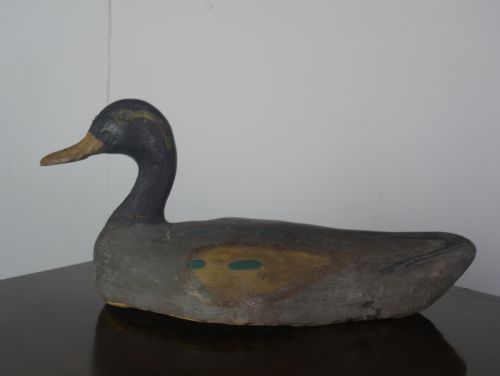
The selections available span multiple periods including the Victorian era, the Edwardian period, and the early twentieth century. Most examples take the form of wooden decoy ducks or regional water bird studies.
Origin points vary across English country workshops and continental makers, producing distinct regional silhouettes. Alongside traditional decoys, related curiosities such as duckling studies and rustic water bird sculptures appear within the inventory.
Materials and construction
Surface decoration relies heavily on hand-applied paint, often weathered by age and exposure to water. Iron fittings and glass elements occasionally appear as structural or detail components in specific regional models.
Materials documented across the inventory include paint, wood, timber, glass, iron, papier mâché, and straw.
Distinctions in quality
Quality rests in the vigour of the carving and the personality captured in the silhouette rather than smooth factory finish. Stronger pieces display confident tool marks that reveal the hand of the maker.
The survival of original surface paint significantly elevates a piece, particularly where layered pigments show authentic patination. Simpler utilitarian examples contrast with more elaborate multi-part sculptures like loons with chicks.
The Antique Folk Art Duck Glossary
- Decoy
- A carved or moulded figure used to attract wild birds. Traditional working versions show functional ballast weights or tether holes.
- Vernacular
- Artefacts made by self-taught local artisans for everyday use rather than high academic art markets. These objects reflect regional traditions and local material availability.
- Patina
- The surface texture and coloration developed through years of handling, exposure, and age. This finish cannot be artificially replicated with modern materials.
- Folk art
- Creative work produced within a community culture, bypassing academic training and commercial design trends. It prioritises direct utility and expressive form over formal convention.
Antique Folk Art Duck: Frequently Asked Questions
What were antique duck decoys used for?
These carved wooden birds served as functional tools for hunters on lakes and marshes, placed on the water to attract wild fowl within range. Makers shaped them to float naturally and mimic the silhouette of resting birds.
Over decades, their purpose shifted from practical sporting equipment to decorative folk art objects displayed inside domestic interiors for their rustic aesthetic.
How do I date an antique duck?
Dating relies on examining the tool marks left by the maker, the type of timber used, and the composition of the surface paint layers. Pieces from the nineteenth century often show heavier hand-shaping, while Edwardian and 1920s examples display more refined profiles.
Comparing the construction methods and regional styles against known period pieces helps narrow down the era of production.
Where should I display a wooden duck?
These sculptures sit comfortably on bookshelves, mantelpieces, or side tables where their organic forms can contrast with clean architectural lines. Grouping several pieces together creates a stronger visual focal point in a room.
Keep them away from direct heat sources and strong sunlight to protect the aged wood and original painted surfaces from drying out.
What is the difference between English and foreign decoys?
English country folk art pieces generally display compact, sturdy forms shaped by local tradition and available timber. Continental examples, such as French rustic water birds, often incorporate distinct postures and paint applications.
Each region developed specific carving habits that distinguish their local decoy traditions from one another.