



Vintage Sporting Folk Art
Vintage sporting folk art combines recreation and rural craft, offering handmade decoys, game birds, and pastimes shaped by vernacular hands.
Vintage Sporting Folk Art
Vintage sporting folk art comprises handmade objects connected to outdoor pursuits, country sports, and traditional pastimes. Buyers searching for vintage sporting folk art will frequently encounter carved wood bird decoys, painted canvas and panel canvases, and country house pieces dating from the nineteenth century through the mid twentieth century.
Most examples originate from the nineteenth century, the Edwardian era, and the decades leading up to nineteen forty. The aesthetic relies on vernacular interpretation rather than academic precision, giving each carved or painted piece an individual character.
How they were made
Makers shaped these items primarily from timber and wood, employing hand carving techniques to form bird decoys, life size cricketers, and cribbage boards. Surfaces were frequently treated with oil paint, gesso, and gold leaf to render realistic plumage, markings, and decorative details.
Canvas and oil paint served artists depicting racing pigeons and snooker scenes in framed paintings. Natural materials such as stag horn were also utilised for functional games equipment, combining utility with rustic craftsmanship.
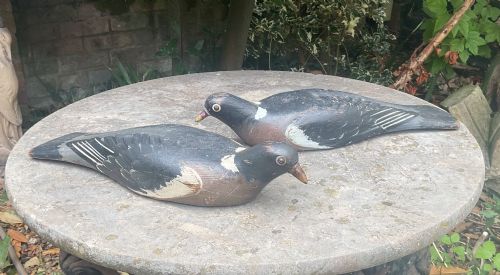
A life size carved wooden cricketer stands ready to face the bowling alongside a flock of wooden pigeons.
What varies in quality
Quality rests in the strength of the carving and the character of the original paint surface. Pieces displaying confident tool marks and natural weathering hold greater visual presence than later or heavier restorations.
Anatomical proportion and surface patina distinguish skilled vernacular work from standard utilitarian production. The charm of the object derives from the maker's eye for form and honest execution.
The Vintage Sporting Folk Art Glossary
- Decoy
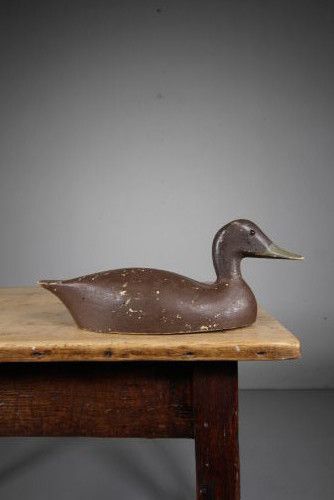
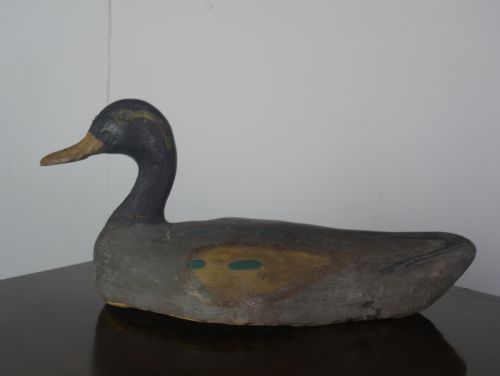
- A carved and painted bird or animal figure used to attract wildlife during country pursuits. These objects form a significant portion of rural folk art.
- Folk art
- Art produced by self-taught or vernacular makers working within a community tradition. It prioritises practical utility and direct expression over academic rules.
- Gesso
- A plaster mix applied to wood surfaces as a preparation for paint or gilding. It provides a smooth base for subsequent layers of decoration.
- Cribbage board
- A traditional board used for scoring the card game cribbage, often carved from wood or horn. They range from simple utility items to decorative pieces.
Vintage Sporting Folk Art: Frequently Asked Questions
What is vintage sporting folk art?
Vintage sporting folk art encompasses handmade objects and paintings related to traditional country pursuits, rural pastimes, and field sports. These pieces include carved wooden bird decoys, game depictions, and handcrafted games equipment.
The category bridges the gap between utilitarian rural craft and decorative display. Each item reflects the vernacular tastes and practical needs of nineteenth and twentieth century rural life.
How were wooden decoys used?
Wooden decoys were placed on water or in fields to attract real birds during shooting and hunting expeditions. Makers shaped them from timber and painted them to mimic the coloration of ducks and pigeons.
Over time, exposure to the weather created natural wear and patination on the painted surfaces. Today, these working objects are appreciated purely for their sculptural qualities.
How do I date these pieces?
Dating relies on examining the tool marks, timber types, and the composition of the paint layers. Nineteenth century examples often show hand-adzed wood and early lead-based paints, while twentieth century pieces feature different manufacturing methods.
Style also offers clues, with Edwardian and later twentieth century items reflecting the specific aesthetic preferences of their periods. Comparing construction details across similar known objects helps narrow down the era.
How should I live with them?
These pieces suit placement on plain surfaces where their carved forms and aged surfaces can be appreciated. They pair well with natural materials like unpainted wood, stone, and plain textiles.
Keep them away from direct sunlight and excessive moisture to protect the historic paint and timber. Gentle dusting with a dry cloth is sufficient for ongoing care.