
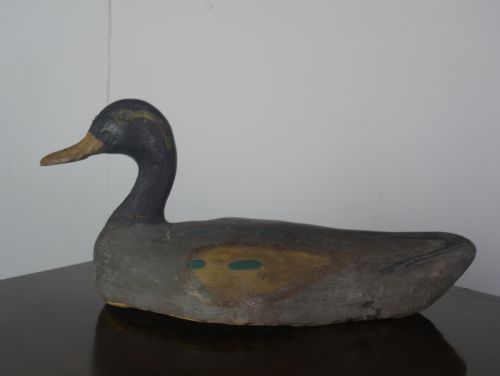


Antique Duck Decoy Carving
An antique duck decoy carving is a working waterfowl replica turned folk art, prized for its rustic charm and sculptural silhouette.
Antique Duck Decoy Carving
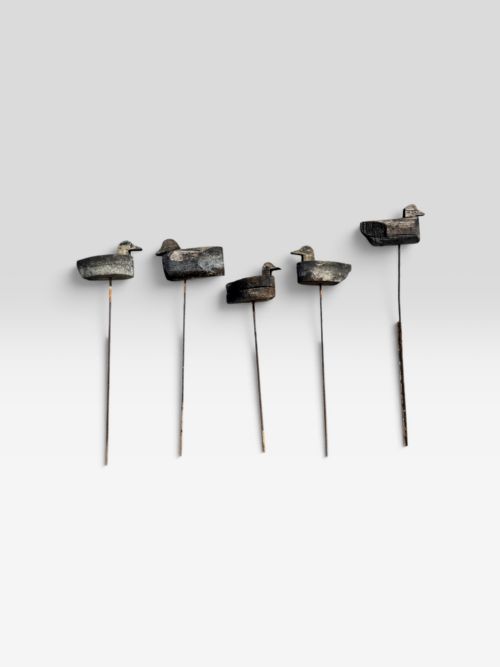
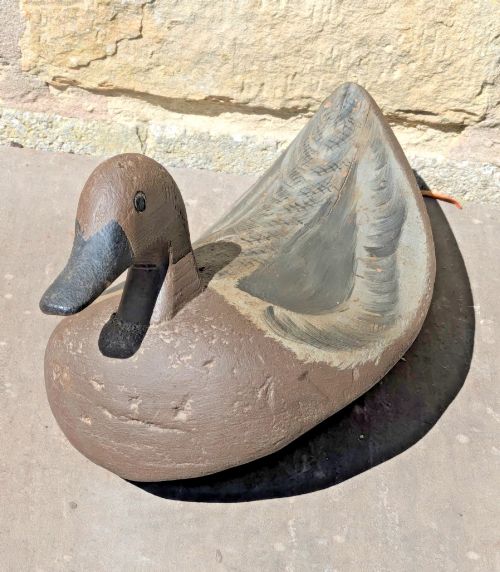
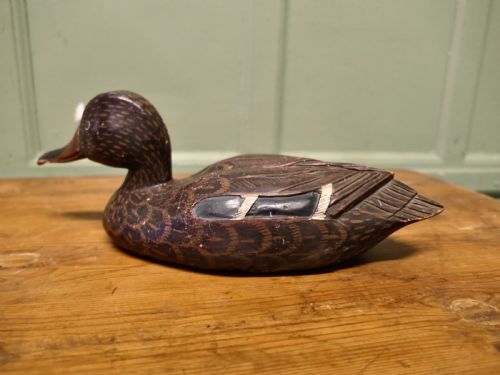
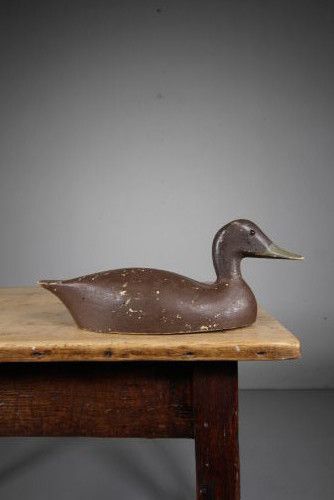
An antique duck decoy carving is a hand-formed waterfowl model, traditionally set upon the water or marsh edge to attract birds. These pieces span the nineteenth and early twentieth centuries, emerging from English country traditions alongside French folk art interpretations.
The most common examples on this page date from the Edwardian era up to the nineteen-thirties, typically taking the form of solitary decoy ducks or specialised water birds like the America loon with her chick.
Collectors prize these objects as decorative sculptures and authentic folk art rather than functional shooting gear today. They sit comfortably in interiors favouring natural textures, aged surfaces, and vernacular design.
How they were made
Makers shaped these waterfowl from solid blocks of timber and pine, utilising straightforward hand tools to carve the profile of the body and head. The grain of the wood often shows through the working, bearing the marks of the chisel and knife.
Surfaces were finished with lead or oil-based paint, applied by hand to render the plumage and colouring of the bird. Glass eyes were occasionally inset into the carved head to heighten the lifelike appearance of the decoy on the water.
Metal fittings such as iron or lead weight pads were sometimes attached to the underside to keep the sculpture upright and stable when afloat during use.
Listings feature items spanning the nineteenth century, the Edwardian era, and the nineteen-twenties and thirties.
What varies in quality
The strength of the sculptural silhouette separates a simple working piece from a powerful decorative object. Carvings with bold, simplified lines and expressive posture command greater visual interest than stiff, generic forms.
The integrity and character of the original painted surface dictate the visual appeal of an antique decoy. Retaining layers of genuine old paint with natural weathering creates a depth of texture that later touch-ups simply cannot replicate.
The Antique Duck Decoy Carving Glossary
- Decoy duck
- A carved and painted waterfowl model used historically by hunters to lure real birds within range. Today these pieces survive as collected examples of vernacular folk art.
- Folk art
- Utilitarian or decorative objects made by self-taught or provincial makers working within regional traditions. These pieces prioritise practical function and unpretentious style over academic design.
- Edwardian
- Pertaining to the reign of King Edward VII, spanning from nineteen hundred to nineteen hundred and ten. Decoys from this period display classic early twentieth-century British craftsmanship.
- Timber
- Wood prepared for building or carpentry use. In these carvings, local timber provides the solid block base before shaping.
- America loon
- A distinctive diving water bird occasionally depicted in folk art carvings. Such variations add narrative interest to a collection of waterfowl decoys.
Antique Duck Decoy Carving: Frequently Asked Questions
What is an antique duck decoy carving?
An antique duck decoy carving is a wooden waterfowl model made to attract birds during hunting. Over time, these functional objects transitioned into decorative folk art sculptures appreciated for their handcrafted character.
Today, collectors display them on shelves, tables, and mantelpieces as sculptural reminders of traditional rural life and vernacular craftsmanship.
How do I date an old decoy?
Dating relies on observing the tool marks left by the maker, the type of wood employed, and the composition of the paint layers. Nineteenth-century examples often display simpler, heavier construction compared to Edwardian or nineteen-thirties pieces.
The presence of original hand-applied paint and inset glass eyes provides further clues regarding the era of manufacture.
Where were these decoys made?
These carvings originate primarily from English and French rural traditions where wildfowling was common. Local craftsmen and artisans produced them for practical use on rivers, lakes, and marshes.
Because they were made in regional workshops rather than large factories, each carving bears unique local characteristics.
How should I live with folk art carvings?
Place your decoy in a stable environment away from direct sunlight and extreme humidity to preserve the aged wood and painted surfaces. They pair well with natural materials like stone, brick, and unpolished timber.
Allow the piece to sit on a flat surface where its silhouette can be appreciated from multiple angles in natural light.