


Carved Timber Bird Decoy
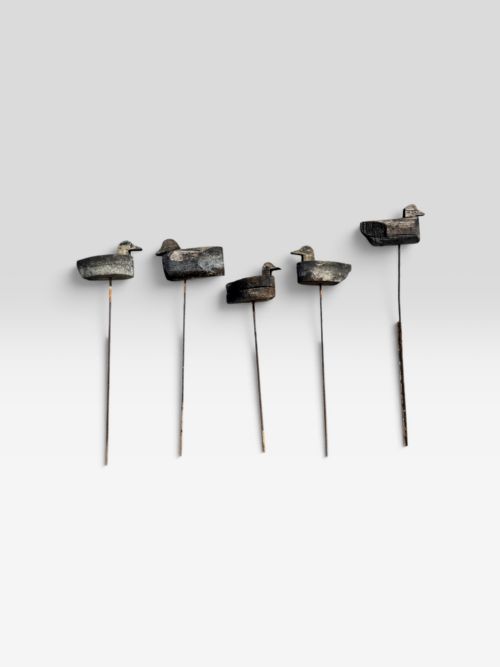
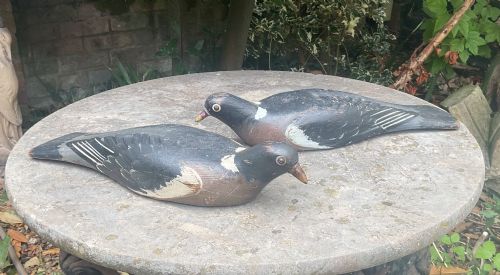
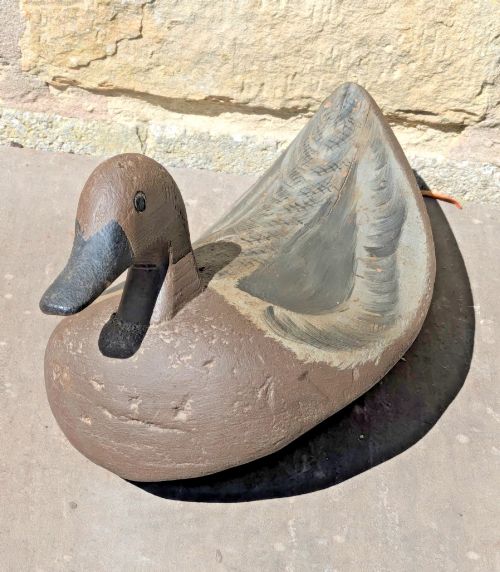
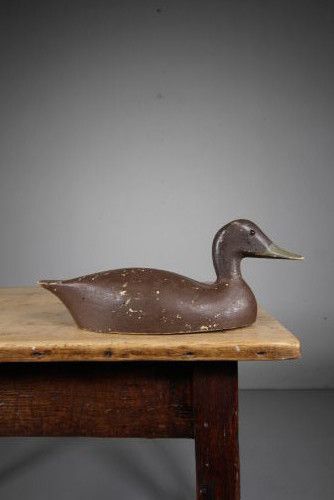
These carved timber bird decoy examples bring utilitarian folk art into the home as striking decorative sculptures.
Carved Timber Bird Decoy
Most items you meet belong to the nineteenth century and the early twentieth century, spanning Edwardian folk art and the 1920s or 1930s. English country folk art dominates the origin of these pieces, alongside French rustic decorative water bird examples.
Makers shaped these decorative objects as single figures or in pairs and sets of three. Their primary function shifted from working rural gear to standalone folk art sculptures.
What distinguishes finer examples
Quality in a carved timber bird decoy rests upon the expressiveness of the carving and the preservation of the original painted surface. Sculptures that retain their early pigment show greater visual depth than stripped timber.
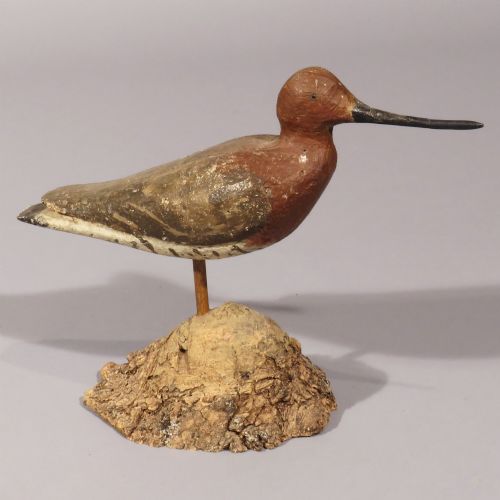
Anatomical proportion and species identification separate standard working models from more sculptural interpretations. Pieces depicting less common species like the black tailed godwit or an America loon with chick offer distinct sculptural variety.
One determined loon brings her chick along for the ride, proving that even wooden waterfowl appreciated a family outing.
The Carved Timber Bird Decoy Glossary
- Decoy
- A carved or moulded figure used to attract wildfowl or other birds within range of a hunter. These objects now function as decorative sculptures.
- Edwardian
- Pertaining to the reign of King Edward VII, spanning from 1901 to 1910. Pieces from this period often display characteristic early twentieth-century folk painting.
- Timber
- Wood prepared for building and carpentry use. Carvers selected local timber stocks to shape these hollow or solid bird bodies.
Carved Timber Bird Decoy: Frequently Asked Questions
What is a carved timber bird decoy?
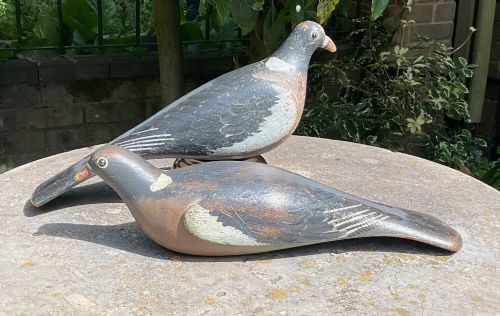
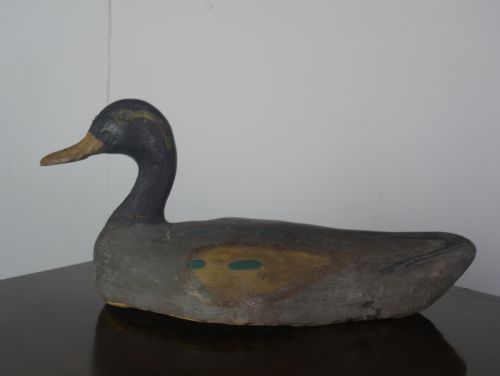
A carved timber bird decoy is a wooden sculpture originally shaped to attract wild birds during shooting expeditions. Makers utilised blocks of wood, carving and painting them to resemble ducks, geese, and pigeons.
Over time, these working objects transitioned into collectible folk art. Collectors display them on shelves or tables as decorative sculptures.
How do I date an old decoy?
Dating relies on surface wear, paint composition, and construction methods visible on the wooden body. Nineteenth-century examples often display heavy patina and worn layers of early oil paint.
Twentieth-century pieces from the Edwardian era or the 1920s and 1930s may show different tool marks and paint styles. Comparing the species represented also helps place the object within its historical manufacturing period.
Are these decoys made of solid wood?
The pieces utilise various forms of wood, timber, and carved wood construction. Some examples incorporate natural elements like bark alongside metal or glass components.
Makers shaped these materials by hand to create durable objects fit for outdoor use. The resulting weight varies depending on whether the internal body remains solid or hollowed out.
Where were these decoys made?
The available selection points primarily to English country folk art traditions. French workshops also produced rustic decorative water bird examples found in this category.
Local carvers produced these items for regional shooting practices across different rural landscapes. Their origin shapes the distinct styling and paint application seen on each bird.
How should I display a wooden decoy?
Wooden decoys suit placement on plain wooden surfaces, mantelshelves, or within open bookcases. Their sculptural forms require minimal surroundings to highlight the hand-carved contours and painted feather details.
Keep them away from direct heat sources and strong sunlight to protect the fragile painted surfaces. Stable indoor humidity preserves the timber and prevents the old paint from flaking.