


Carved Wooden Decoy Bird
These carved wooden decoy bird pieces are working items turned decorative objects, offering immediate rustic character for contemporary interiors.
Carved Wooden Decoy Bird
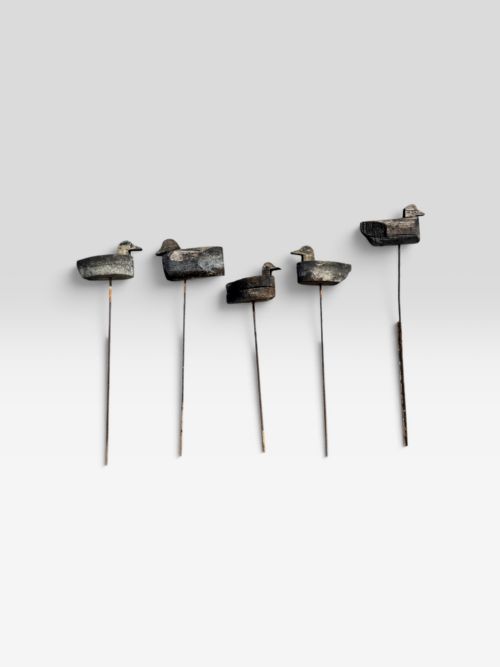
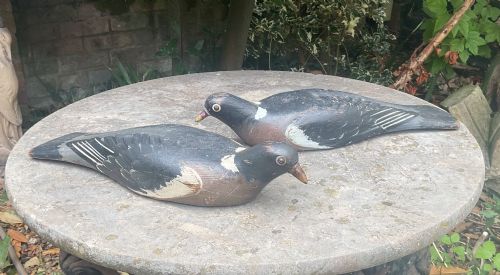
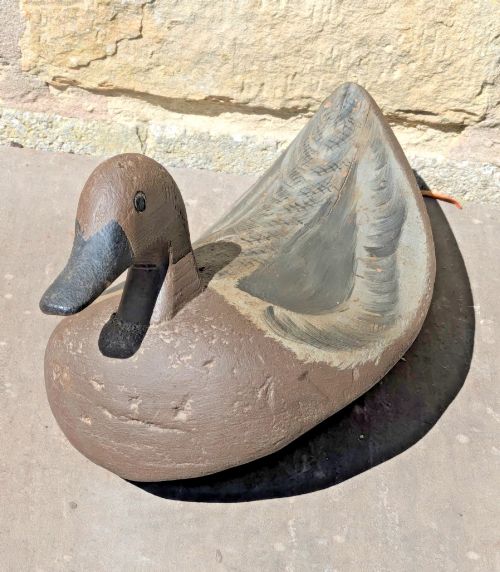
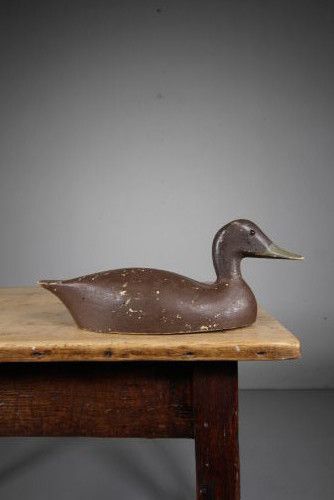
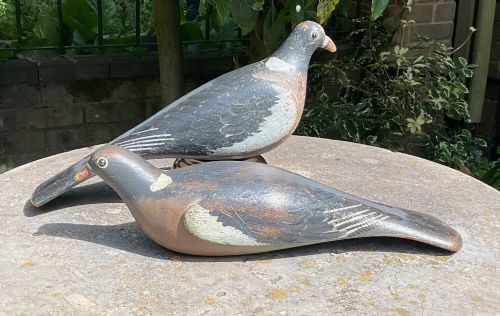
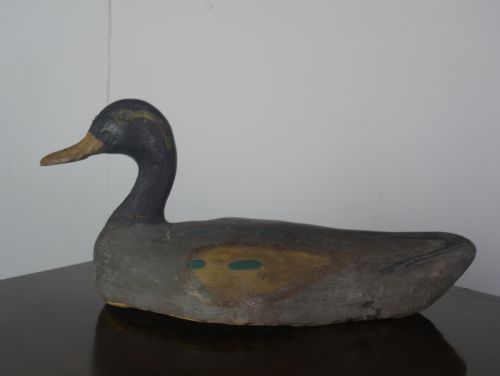
A carved wooden decoy bird is a working decoy, most commonly found here as a duck, pigeon, or dovecote specimen from the nineteenth century through the nineteen-thirties. You will frequently encounter Edwardian examples alongside pieces dating from the nineteen-twenties and nineteen-thirties.
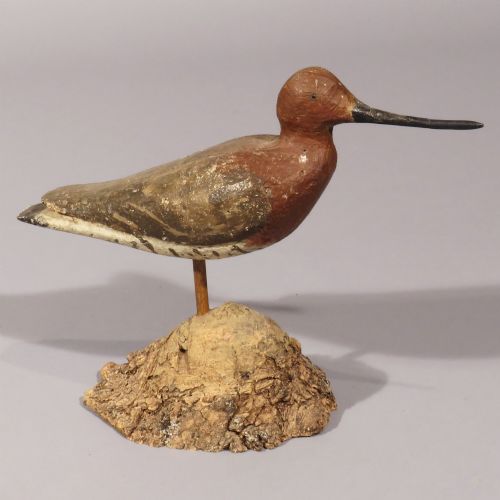
The selection encompasses individual figures as well as pairs and sets of three, taking the form of ducks, geese, pigeons, and a black-tailed godwit or an America loon with her chick. These objects originate primarily from English and French traditions within the folk art genre.
Most pieces function purely as decorative objects and folk art sculptures rather than working water bird decoys today. They appear in styles described as English country folk art and Edwardian folk art.
How carved wooden decoy bird objects were constructed
Makers shaped these items from timber, wood, and bark using hand-carving techniques. Some examples incorporate glass and metal or iron elements alongside the primary wooden body.
Makers applied paint to the carved surfaces to mimic the plumage of ducks, pigeons, and geese. This paint layer often shows weathering and patination from age and previous outdoor use.
You can acquire an America loon complete with her chick, proving that even wooden waterfowl enjoy a family outing.
What distinguishes carved wooden decoy bird examples
The strength of the original carved form and the character of the surface paint determine the visual impact of each piece. Purity of outline in species such as ducks or geese shapes the silhouette.
Original painted surfaces that retain their historic patination elevate a piece above examples with heavy modern interference. The presence of subsidiary details, such as glass eyes or metal fittings, alters the overall composition.
The Carved Wooden Decoy Bird Glossary
- Decoy
- A carved or painted bird used to attract wildfowl during shooting. These objects were originally working items before entering the decorative sphere.
- Folk art
- Utilitarian and decorative objects made by self-taught or traditional craftsmen. This category covers much of the material found in this field.
- Dovecote
- A structure or shelter for domesticated pigeons. Decoys associated with these buildings served specific agricultural or sporting roles.
- Patina
- The surface texture and colour developed by wood and paint over many decades. It records the natural ageing of the material.
Carved Wooden Decoy Bird: Frequently Asked Questions
What is a carved wooden decoy bird?
These pieces are historic working decoys shaped from timber and painted to resemble waterfowl or pigeons. Makers produced them for shooting and field sports.
Over time, these utilitarian items transitioned into decorative sculptures valued for their rustic charm and traditional craftsmanship.
How were decoy birds used originally?
Shooters placed these wooden figures on water or land to attract wild birds within range. Their silhouettes and painted plumage needed to deceive passing flocks.
Today, they are displayed on shelves, mantelpieces, and tables as sculptural elements within country house and folk art interiors.
How do I date an antique decoy?
Dating relies on examining the tool marks left by the carver, the composition of the wood, and the chemical nature of the paint layers. Nineteenth-century examples often display simpler, heavier hacking.
Edwardian and later twentieth-century specimens show refined shaping and distinct regional painting conventions that align with the periods recorded in the evidence.
Are these decoys English or French?
The selection includes both English and French pieces, reflecting distinct regional folk art traditions. English country examples often feature local timber species and specific regional bird types.
French specimens bring alternative carving styles and decorative treatments to the form while serving the same practical purpose.