


Vintage Hunting Decoy Bird
These vintage hunting decoy bird examples bring characterful timber forms and painted surfaces straight from the field into the home.
Vintage Hunting Decoy Bird
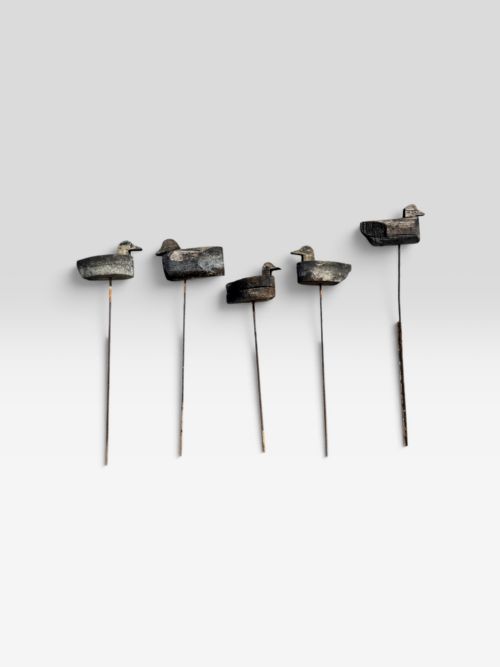
When you search for vintage hunting decoy bird pieces, you encounter carved working items made to attract game in the field. The selection spans ducks, pigeons, and geese created across the nineteenth and twentieth centuries.
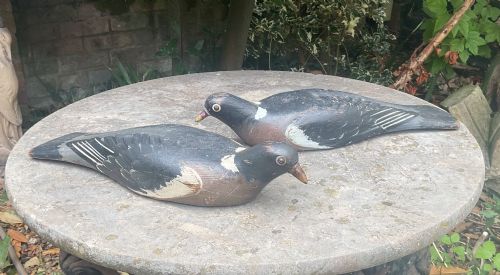
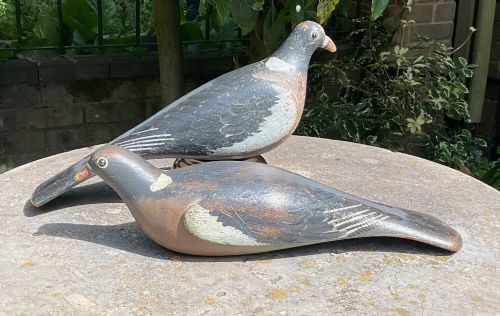
You are most likely to meet wooden examples originating from English traditions, including pairs of painted pigeons and single ducks. These objects bridge utilitarian shooting equipment and vernacular folk art sculpture.
The assortment includes individual decoys alongside sets of three, as well as related treen items like bird calls. Their forms reflect practical craftsmanship rather than academic studio output.
Materials and construction methods
Makers shaped these pieces from timber and carved wood, utilising hardwood and turned wood components for structure. The resulting bodies display the tool marks of traditional hand woodworking.
Surfaces received hand-painted finishes designed to mimic plumage in natural light. Paint and glass occasionally combine to create realistic eyes and markings that have aged through active service.
Listings feature items from the nineteenth century, Edwardian period, and nineteen twenties, executed in carved wood, paint, and iron.
Assessing quality and character
Quality rests in the sculptural confidence of the carving and the survival of the original painted surface. Untouched working wear elevates an object above later repaint or excessive restoration.
Proportion and silhouette distinguish a compelling folk art sculpture from a purely mechanical production. Pieces that retain their authentic weathering communicate the genuine history of the shoot.
The Vintage Hunting Decoy Bird Glossary
- Decoy
- A carved or moulded figure used to attract wildfowl or pigeons within range of a hide. These objects were working tools before becoming sought-after decorative pieces.
- Treen
- Small handmade wooden objects for domestic or utilitarian use. Bird calls and turned items fall under this traditional heading.
- Folk art
- Art produced from an indigenous culture or peasant tradition without academic training. Carved working birds sit squarely within this descriptive category.
- Hardwood
- Timber from broad-leaved trees, chosen for durability in outdoor conditions. Decoys required dense wood to withstand field conditions.
Vintage Hunting Decoy Bird: Frequently Asked Questions
How were these birds used?
Hunters placed wooden figures on water or land to draw passing flocks within shooting distance. Their silhouettes and painted markings tricked real birds into landing nearby.
Over decades of exposure to weather and handling, the working surfaces acquired distinctive patinas and wear patterns.
What periods do they date from?
The pieces span the nineteenth century through the Edwardian era and into the nineteen thirties. Dates rely on stylistic clues and construction methods rather than strict maker marks.
Earlier examples often display simpler hand-tool marks and heavier timber construction.
How should I display them?
Decoys sit comfortably on shelves, tabletops, or sideboards as sculptural objects. Their organic timber forms and aged paint contrast well with plain architectural backgrounds.
Grouping pairs or sets creates a stronger visual impact in a room.
Are painted surfaces original?
Many items retain their early or hand-painted finishes, showing honest flaking and mellowing from use. Examining the layers helps determine whether the pigment dates to the working life of the object.
Untouched surfaces command greater interest from collectors of vernacular art.