
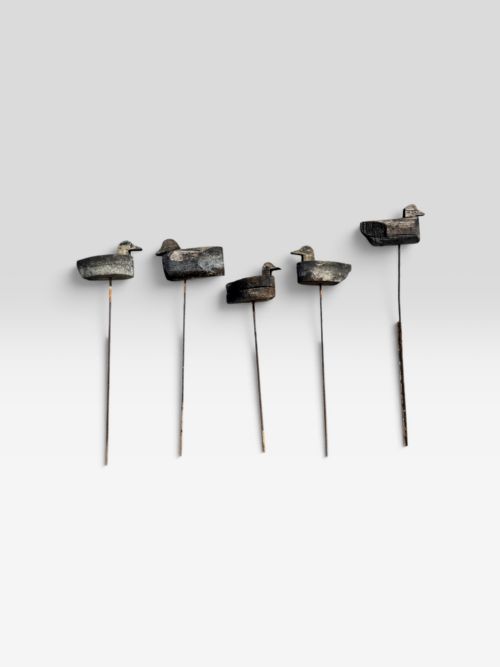
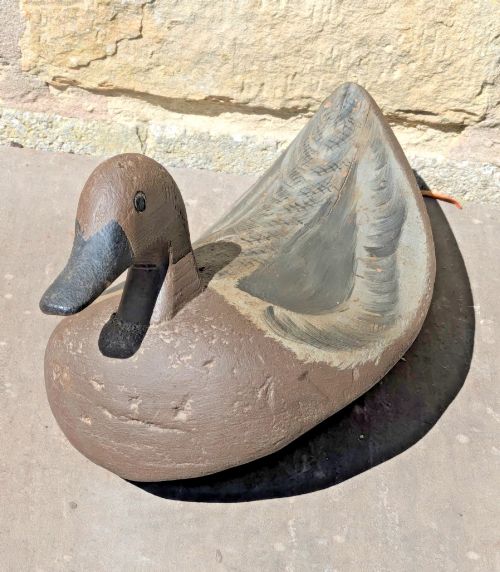
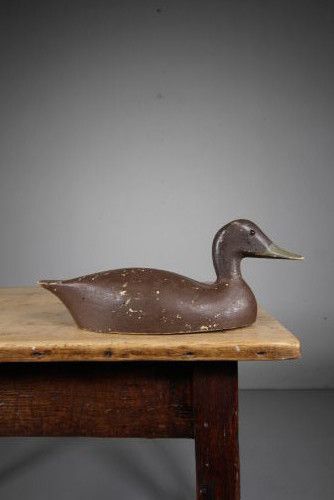
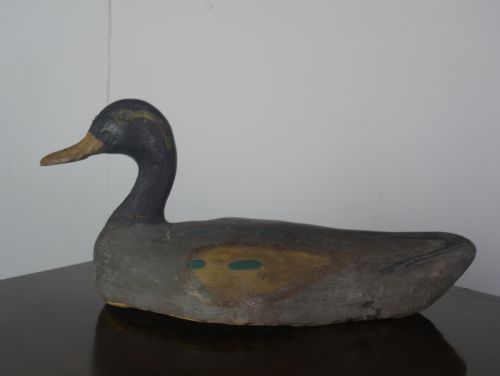


Vintage Wooden Duck Decoy
These vintage wooden duck decoy examples bring rustic English and continental character to a room, carved for utility and kept for folk art appeal.
Vintage Wooden Duck Decoy
A vintage wooden duck decoy is a carved and painted water bird object originating from the nineteenth century, the Edwardian era, and the early twentieth century. These pieces include decoy ducks, decoy sets, and folk art studies of ducks and loons.
Buyers encounter English and French rustic decorative water birds shaped from timber and carved wood. Forms range from single hand painted decoy ducks to groups of carved wood decoys and sculptural studies involving chicks.
These items sit within decorative sculptures and folk art categories. They represent utilitarian items repurposed as decorative objects for domestic interiors.
How they were made
Makers shaped these objects using wood and timber, employing hand carved techniques to produce organic bird forms. Some iterations incorporate papier mâché and straw materials alongside iron elements and glass details.
Surfaces receive hand painted finishes to mimic natural plumage and water bird markings. Paint layers age over time, showing wear that reflects their origins in working environments.
Listings feature pieces spanning the nineteenth century, the Edwardian period, and the 1920s to 1930s, constructed from painted wood, timber, and papier mâché.
What varies in quality
Quality rests in the sculptural depth of the carving and the preservation of the original hand painted surface. Pieces showing distinct tool marks and untouched patina command stronger visual presence.
The integrity of the form distinguishes standard items from finer folk art examples. Set compositions and balanced proportions contribute to the sculptural weight of the piece.
The Vintage Wooden Duck Decoy Glossary
- Decoy
- A carved model of a water bird once utilised by hunters to attract fowl. These objects now function purely as decorative sculptures.
- Folk art
- Utilitarian items created by self-taught or traditional makers without formal academic training. These pieces prioritize functional form over strict anatomical accuracy.
- Patina
- The surface sheen and wear developed on wood and paint over decades of handling and exposure. It indicates age and authenticity.
- Edwardian
- Dating from the reign of King Edward VII, spanning the early years of the twentieth century. Pieces from this period exhibit specific regional carving traits.
Vintage Wooden Duck Decoy: Frequently Asked Questions
What is a vintage wooden duck decoy?
A vintage wooden duck decoy is a carved water bird figure originally utilised in shooting pools and marshes. Makers shaped them from timber to float or sit near water.
Today, collectors display these pieces as folk art sculptures in homes and studies. They bring tactile rustic texture to interior spaces.
How do I style a decoy duck?
These wooden birds suit placement on bookshelves, mantelpieces, or side tables among books and ceramics. Their neutral wood tones and painted surfaces complement both traditional and modern rooms.
Group several carved ducks together for a stronger visual arrangement. Single pieces also work well as standalone sculptural accents.
Are all decoys made of wood?
Most examples use solid wood or carved timber as a base material. Some alternative folk art studies incorporate papier mâché and straw.
Painted finishes seal the wood and provide the distinctive plumage patterns. Iron and glass components occasionally appear in specific sculptural details.
How do I identify an Edwardian decoy?
Edwardian decoys date from the early twentieth century and often display simplified English folk art characteristics. The carving style tends to focus on sturdy utility and straightforward profiles.
Comparison with nineteenth century or 1930s examples reveals shifts in paint application and wood shaping techniques. Examining the wear on the paint helps determine the age.