


Traditional Decoy Carving
Traditional decoy carving brings tangible folk art into the home, offering painted timber waterfowl from the nineteenth and twentieth centuries.
Traditional Decoy Carving
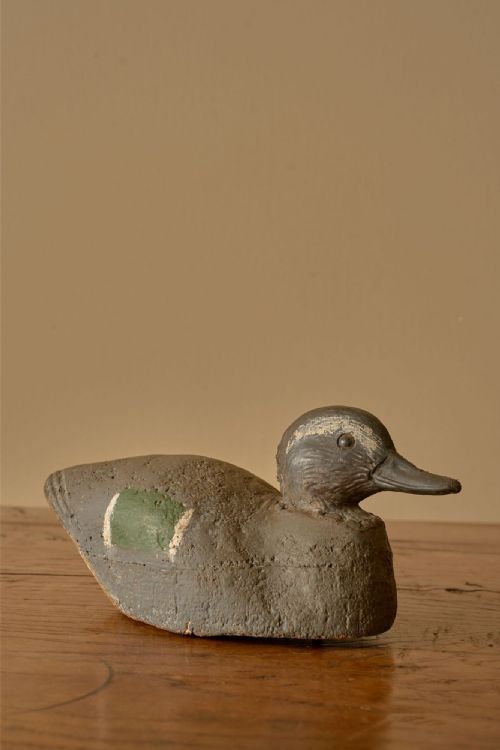
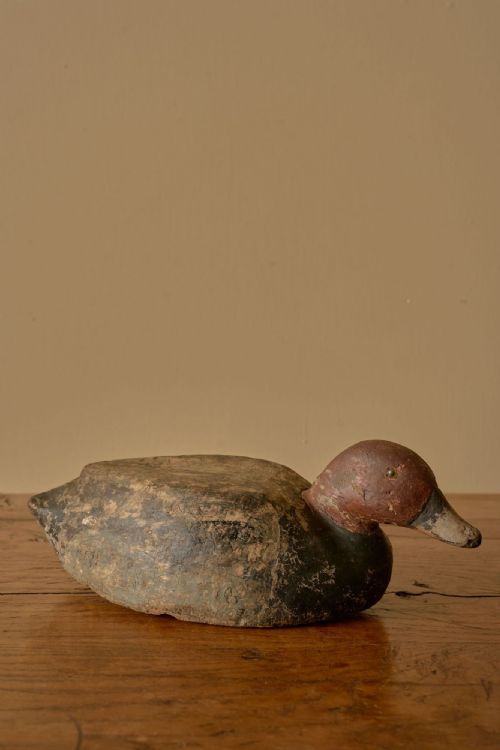
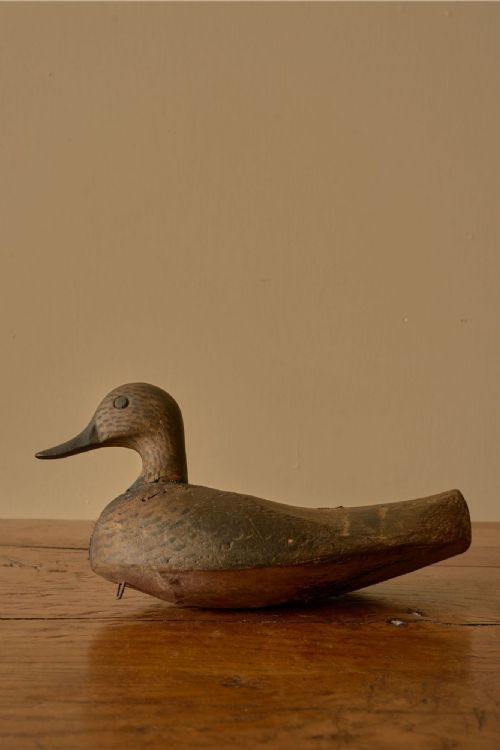
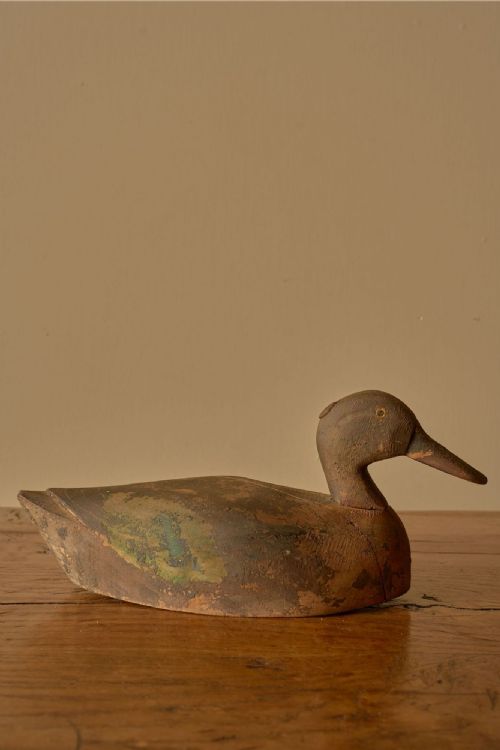
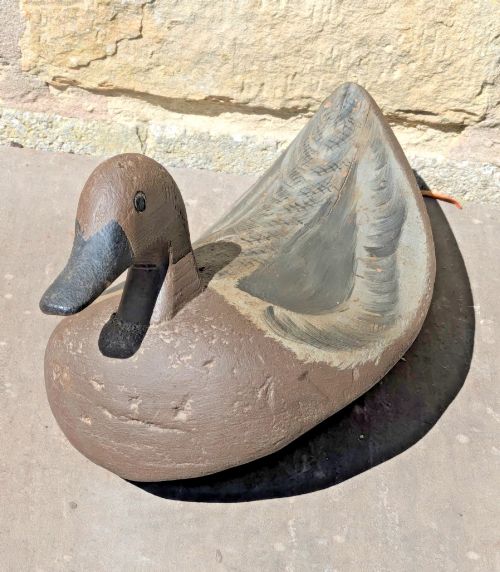
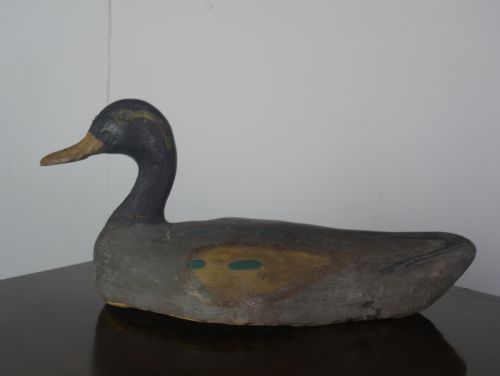
Traditional decoy carving centres on wooden water birds shaped to represent ducks and rustic decorative water birds. These decorative objects function primarily as sculptural displays rather than working items.
Buyers meet pieces originating mainly from the nineteenth century, Edwardian period, and the early twentieth century. These include individual carved ducks alongside sets of three carved wood decoys.
Originating largely as folk art, these decorative sculptures capture the rustic aesthetic of early decoy production. French wood decoy ducks also appear, demonstrating regional variations in form and paint.
How they were made
Craftsmen shaped solid blocks of wood and pine into buoyant forms using hand tools. Timber construction formed the foundation, providing sturdy bodies designed to float on water.
Makers applied hand-painted finishes directly onto the carved wood surface to imitate natural plumage. Glass eyes and iron elements occasionally appear as secondary materials to enhance realism.
Current listings feature wood, pine, paint, glass, and iron across nineteenth-century and Edwardian pieces.
What varies in quality
Quality rests in the sculptural silhouette and the preservation of the original hand-painted surface. Strong folk art character elevates certain examples above simpler decorative objects.
The integrity of the carved timber and the subtlety of the paint layers distinguish superior pieces. Items that retain their early surface patina hold greater interest for collectors.
The Traditional Decoy Carving Glossary
- Folk art
- Artistic work created within a traditional culture by self-taught makers. These pieces prioritise rustic utility and charm over academic artistic conventions.
- Decoy duck
- A carved floating bird used to attract wildfowl. Traditional examples are now collected as decorative sculptures.
- Edwardian
- Pertaining to the reign of King Edward VII from nineteen hundred and one to nineteen hundred and ten. Pieces from this era display specific transitional aesthetic traits.
- Patina
- The surface sheen and colour acquired by wood and paint through age and exposure. This gradual change reveals the history of the object.
Traditional Decoy Carving: Frequently Asked Questions
How were decoy ducks used originally?
Hunters placed these carved wooden birds upon the water to lure real waterfowl within range. Their painted bodies mimicked resting ducks on lakes and marshes.
Over time, surviving examples transitioned from working equipment into interior decorative objects.
How should I display them at home?
These carved wooden birds suit simple shelves, mantelpieces, or table centres where their rustic shapes stand out. Placing them away from direct heat sources protects the old paint.
Their folk art character complements both traditional country interiors and minimal modern spaces.
How do I identify older decoy carvings?
Older pieces show distinct signs of age in the dry texture of the paint and the weight of the timber. Construction methods often rely on solid pine or carved wood shaped by hand.
Edwardian and nineteenth-century examples display surface wear that distinguishes them from modern reproductions.