


Hand Carved Wood Decoy
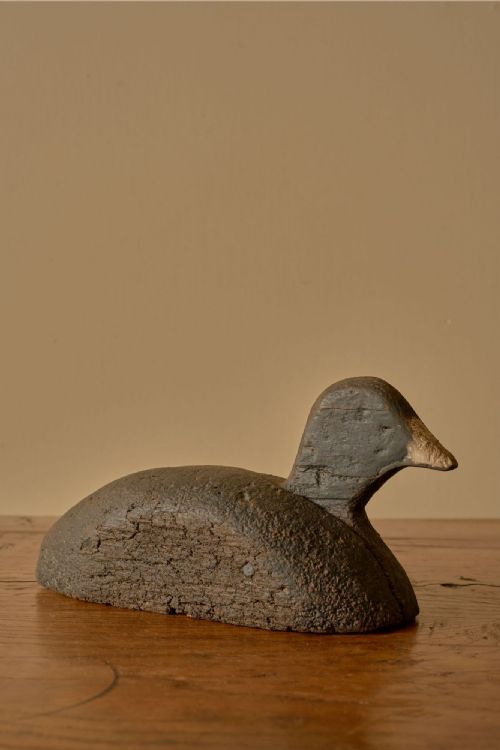
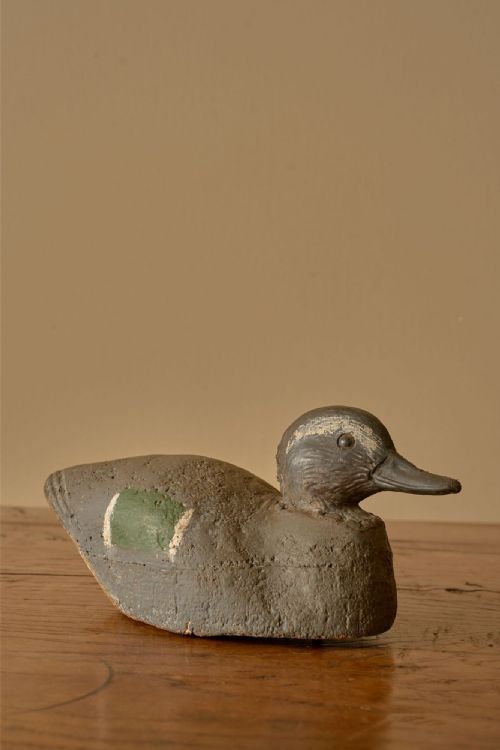
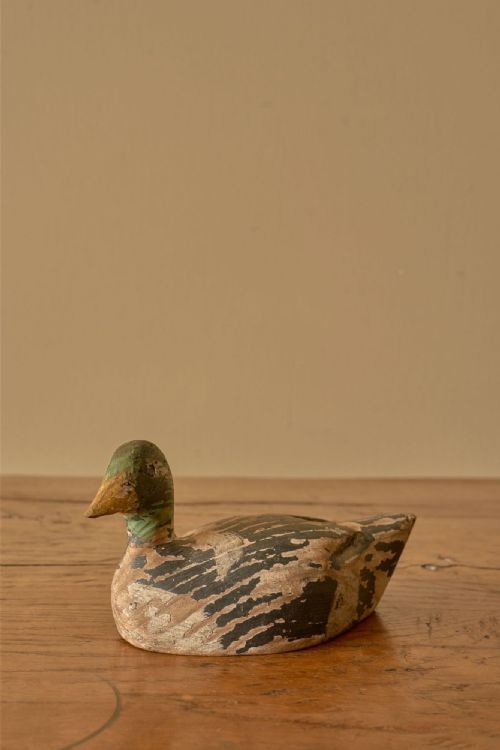
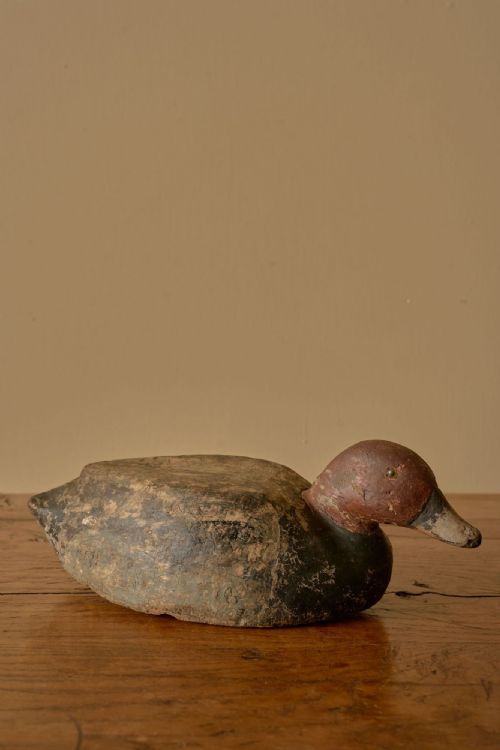
These hand carved wood decoy pieces bring working country craft into the room, prized for their weathered surface and sculptural form.
Hand Carved Wood Decoy
When you search for hand carved wood decoy pieces, you encounter working waterfowl and bird sculptures from the nineteenth and early twentieth centuries. These objects span simple working decoys and decorative sculptures shaped from solid timber.
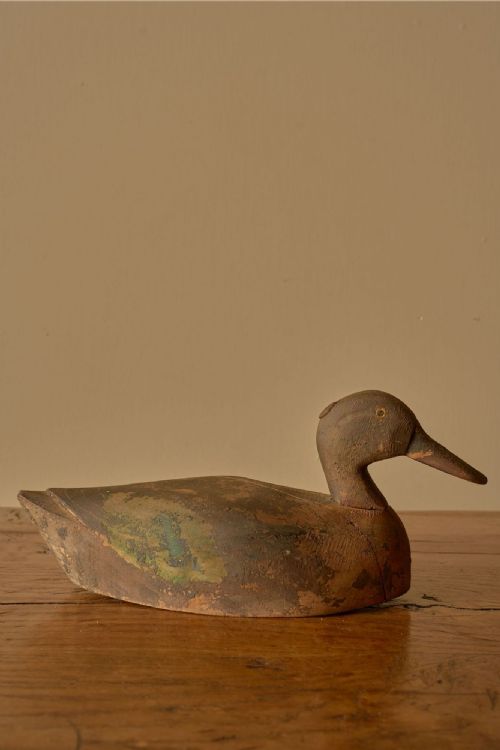
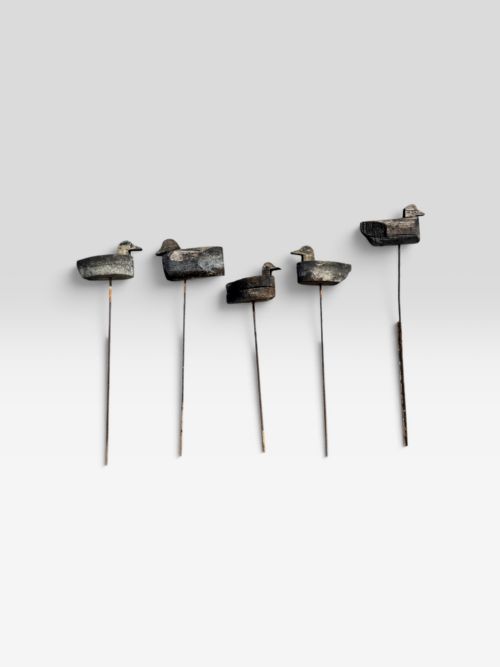
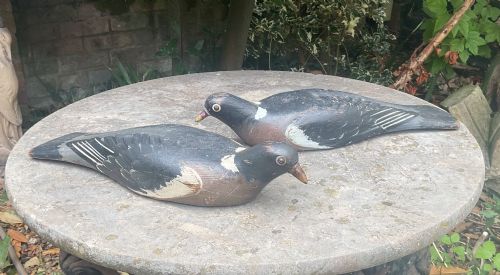
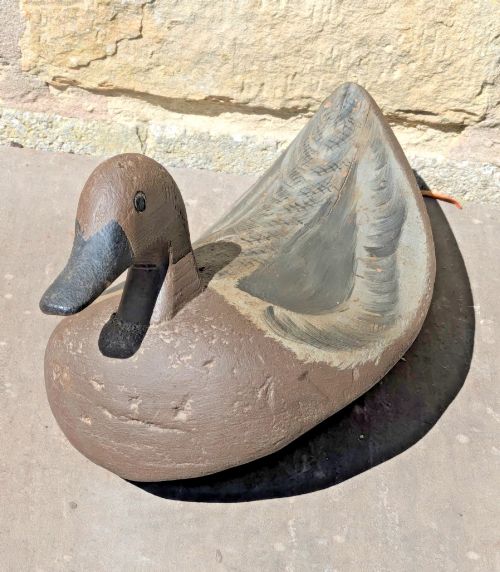
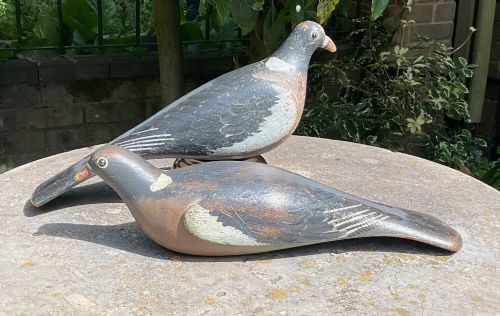
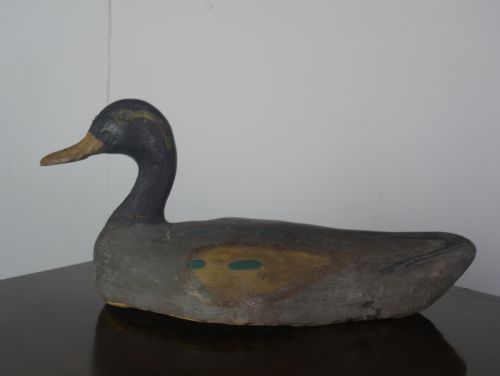
The most common forms on this page are decoy ducks, alongside pigeons, geese, loons, and godwits. Most pieces date from the Edwardian era and the early twentieth century, reflecting traditional rural craftsmanship.
Many examples arrive with original painted surfaces, showing the marks of working use on lakes and fields. They function today as decorative folk art rather than working tackle.
Materials and construction
Makers shaped these sculptures from timber and carved wood, sometimes incorporating iron components or bark details. Simple hand tools gave each bird its characteristic profile and weight.
Surfaces were finished with paint and occasionally fitted with glass elements. The combination of carved wood and layered paint creates the weathered textures seen across the period.
One American loon travels with her chick, proving that even wooden waterfowl appreciated a family outing on the water.
Distinctions in quality
Quality rests in the sculptural proportions of the carved body and the integrity of the original paint surface. Stronger examples display confident knife work that captures the posture of the bird without unnecessary detail.
The preservation of early surface pigment distinguishes pieces that retain their historic character. Natural wear and layered paint add depth to the better examples on display.
The Hand Carved Wood Decoy Glossary
- Folk art
- Objects created by self-taught or traditional makers outside the formal academic traditions. These pieces reflect regional patterns and practical utility.
- Edwardian
- Dating from the reign of King Edward VII, spanning the early years of the twentieth century. This period produced many of the carved bird forms found in rural collections.
- Decoy
- A carved or painted bird used to attract wildfowl during shooting. Surviving examples are valued for their sculptural presence.
- Timber
- Wood prepared for building or carpentry use. It provides the solid mass required for floating and balancing working decoys.
Hand Carved Wood Decoy: Frequently Asked Questions
How were wooden decoys used?
These carved birds were placed on water or in fields to attract wildfowl within range of hunters.
Over time, working exposure to weather created the distinctive weathered surfaces collectors value today.
How do I date an old decoy?
Dating relies on the style of the carving, the type of timber, and the composition of the paint layers.
Early twentieth-century and nineteenth-century pieces often show specific tool marks and wear patterns typical of their period.
Are these decoys still waterproof?
Most pieces have lost their functional utility and are now preserved as decorative sculptures.
Displaying them indoors protects the historic paint and timber from further moisture damage.
What birds are represented here?
The selection includes ducks, pigeons, geese, loons, and godwits.
Each form reflects the specific quarry pursued by rural sportsmen in earlier decades.