


Carved Timber Wildfowl
Carved timber wildfowl bring the texture of open water and rural craft directly into a room.
Carved Timber Wildfowl
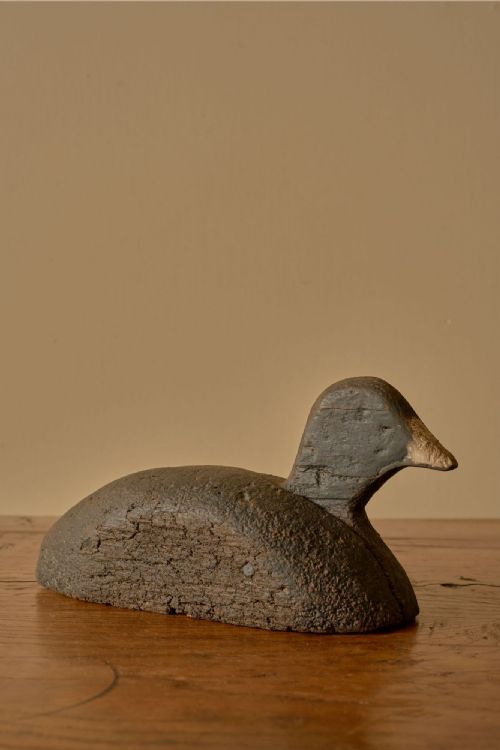
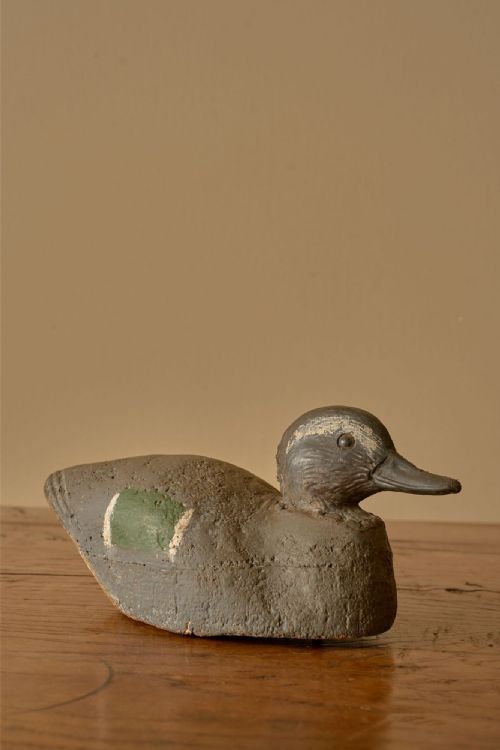
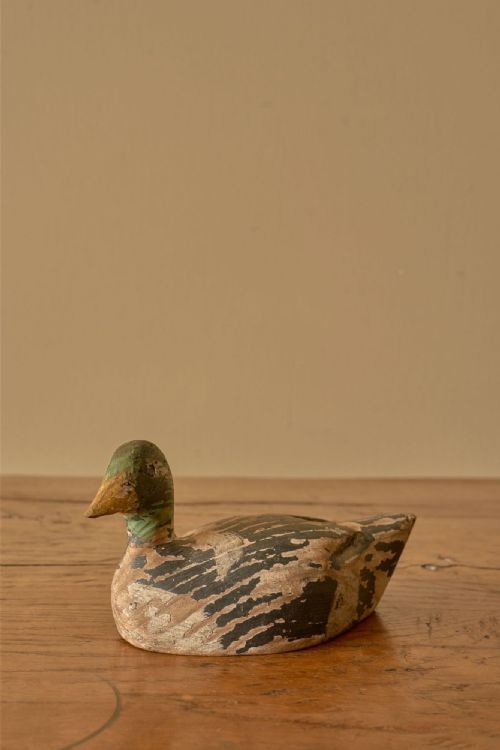
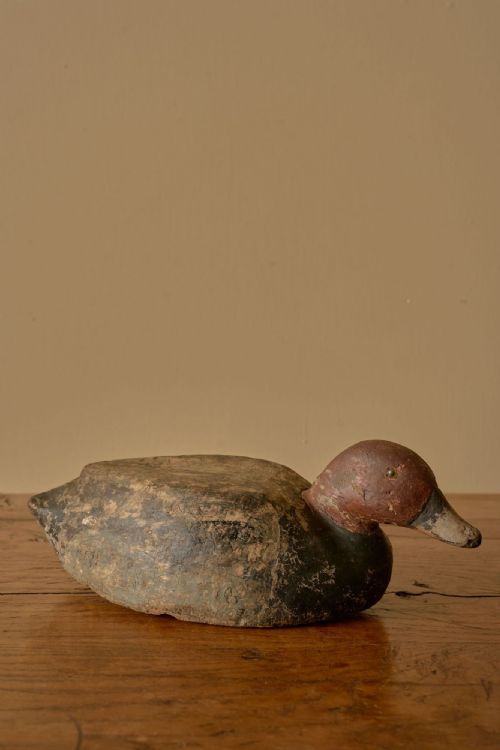
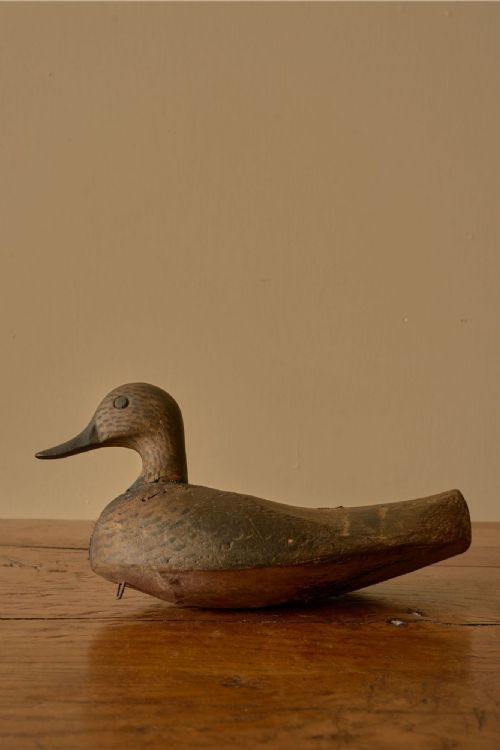
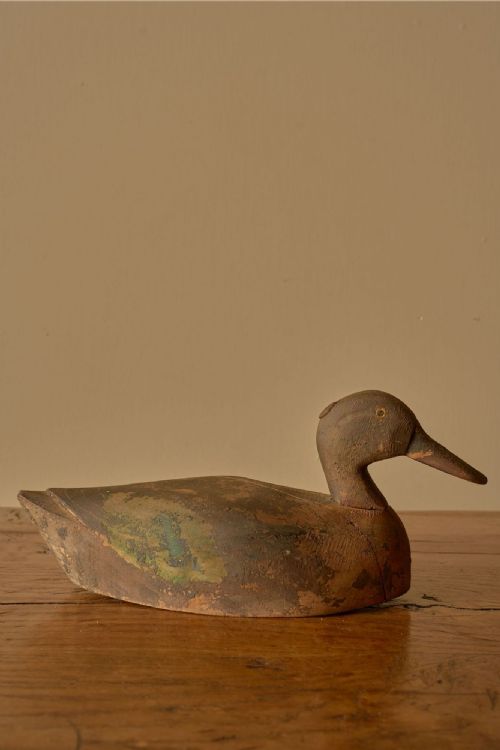
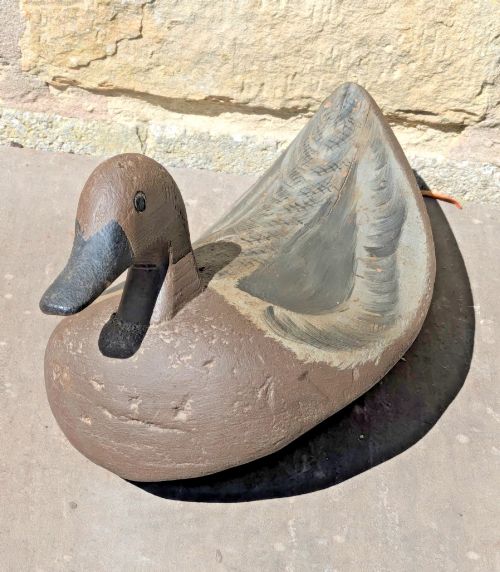
Carved timber wildfowl are traditional working decoys and decorative water birds created to bring character to an interior. When searching for carved timber wildfowl, collectors generally encounter decoy ducks, loons, and godwits shaped from solid blocks of wood. These pieces span the nineteenth century, the Edwardian era, and the nineteen-twenties and thirties, reflecting early twentieth-century folk art traditions.
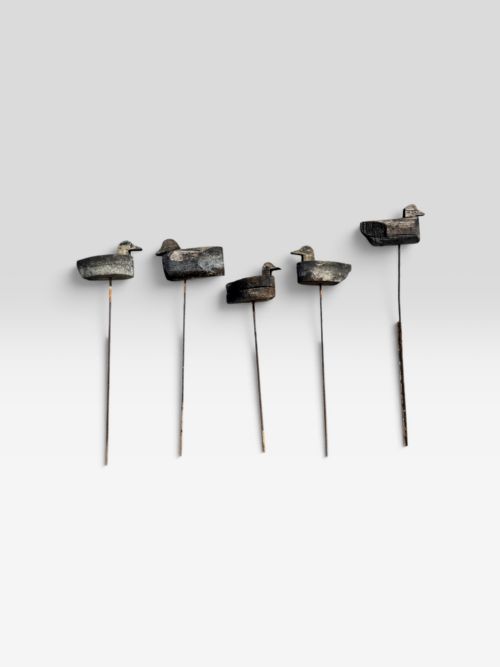
Most examples appearing here take the form of individual decoy ducks, though sets of three and specific birds with chicks also surface. The work encompasses English and French examples alongside American loon forms, all rendered as decorative sculptures. Their presence offers a direct link to historical shooting and rural woodworking crafts.
Wood and paint
Makers shaped these carvings from solid timber, utilising pine and general wood blocks carved by hand. The bodies often feature rough tool marks or smooth surfaces depending on the maker's hand and the intended utility of the decoy. Iron components occasionally appear for hardware or weighting, while glass inserts serve for eyes on select birds.
Surface treatment relies heavily on applied paint over bare wood, sometimes finished with natural bark details or left with weathered patination. Artisans built up layers of colour to mimic plumage, which subsequently aged through exposure to water and weather. The combination of carved timber and distressed paint defines the tactile quality of each piece.
One notable sculpture captures an American loon travelling with her chick, immortalising a tender moment of pond life in solid wood.
Form and surface
The distinction between ordinary items and superior pieces rests in the strength of the carving and the character of the original paint. Stronger examples display sculptural balance and anatomical suggestion without relying on excessive detail. The handling of the wood grain and the natural wear of the surface dictate the visual appeal.
Age-related patination and untouched painted surfaces elevate certain items above heavily restored alternatives. Pieces that retain their original working character without modern intervention possess a greater integrity as folk art sculptures.
The Carved Timber Wildfowl Glossary
- Decoy duck
- A carved or moulded representation of a duck used by hunters to attract real birds to a specific location. These working objects form the foundation of most collections.
- Patina
- The surface sheen and colour variation developed through age, handling, and exposure to the elements. Collectors value this visual history on old timber.
- Godwit
- A large shorebird with a long bill, occasionally chosen as a subject by decoy makers. These less common water bird forms diversify standard collections.
Carved Timber Wildfowl: Frequently Asked Questions
What are carved timber wildfowl?
Carved timber wildfowl are wooden sculptures originally made as functional decoys to attract birds during hunting. Today, they are collected as folk art and decorative objects for the home.
Most pieces take the form of ducks, loons, or shorebirds fashioned from solid timber and finished with hand-applied paint.
How do I date a wooden decoy?
Dating relies on assessing the tool marks left by the maker, the type of timber used, and the composition of the paint layers. Early twentieth-century pieces often display hand-carved bodies with distinct regional characteristics.
Compares the style of the carving and the wear pattern against documented examples from the Edwardian period or the nineteen-twenties.
Were these birds actually used on water?
Many examples began their existence as working decoys deployed on lakes, rivers, and coastal marshes. They were weighted with iron or shaped to float upright on the water.
Over time, exposure to moisture and weathering contributed to the distinctive painted surfaces seen on surviving birds.
How should I display decoys at home?
These sculptures suit placement on mantelpieces, bookshelves, or side tables where their wooden forms and painted surfaces stand out. They mix well with rustic interiors and traditional collections.
Keep them away from direct heat sources and strong sunlight to protect the aged timber and painted finishes.