
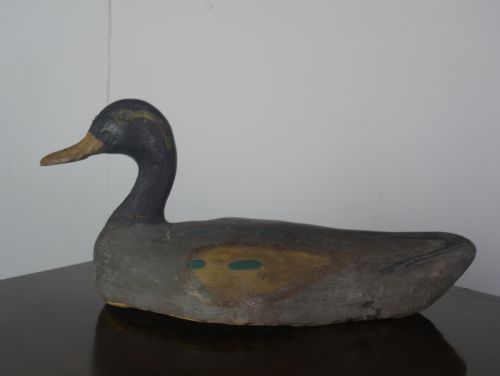


Rustic Carved Bird
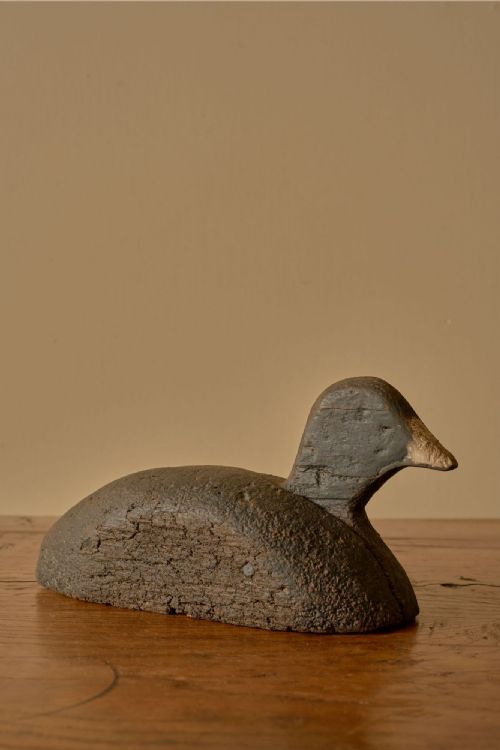
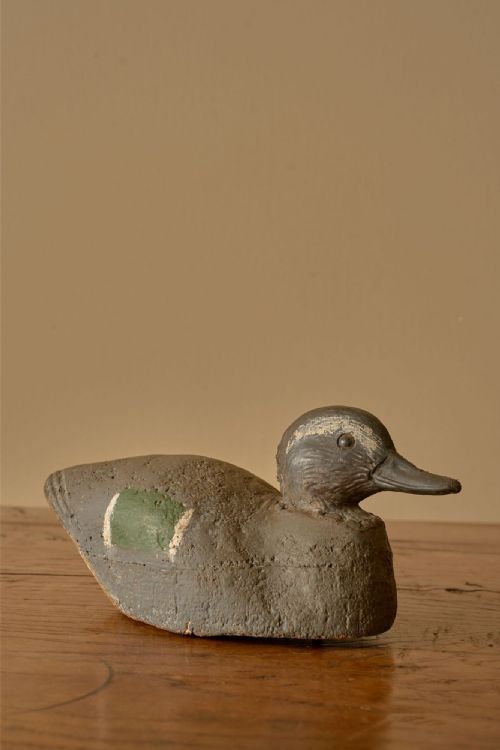
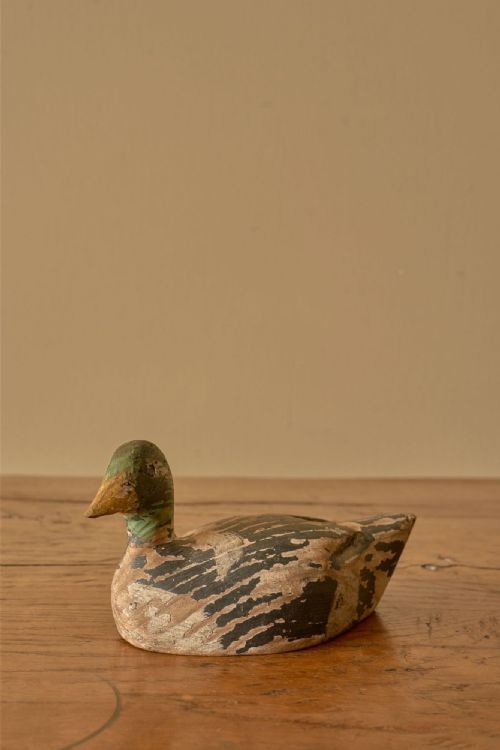
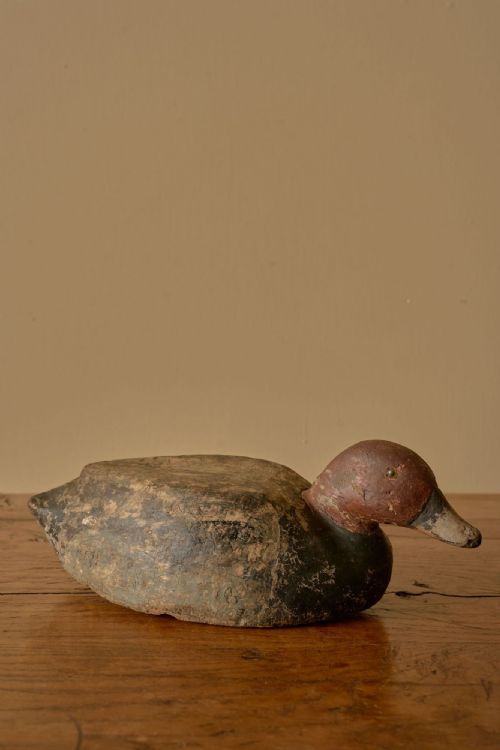
These rustic carved bird carvings and decoys bring organic charm and handmade texture into modern interiors.
Rustic Carved Bird
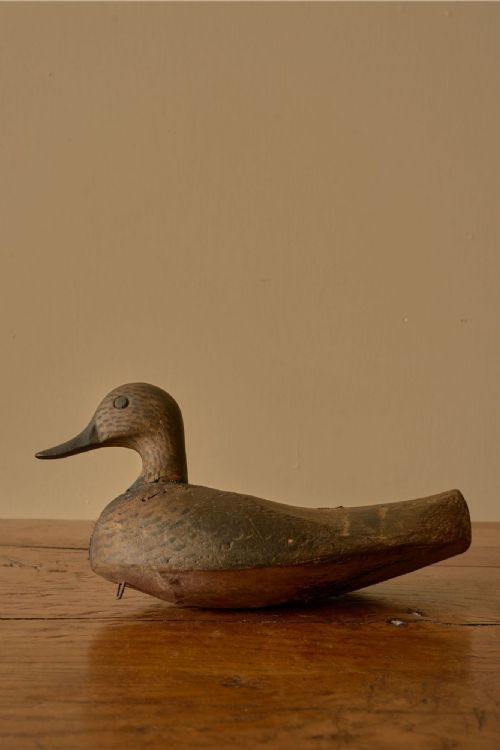
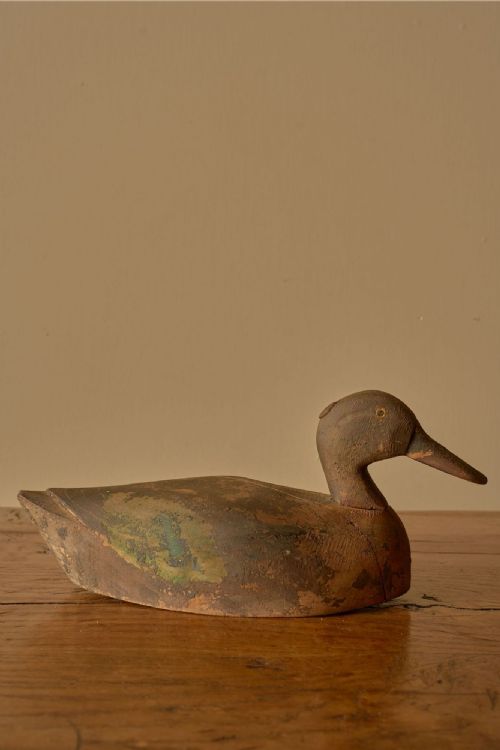
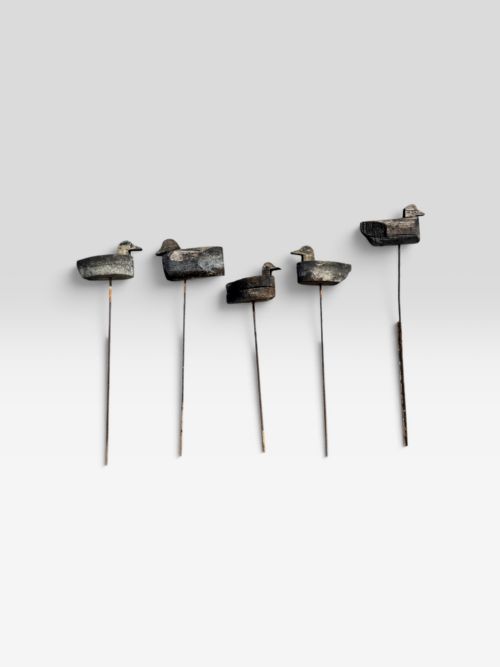
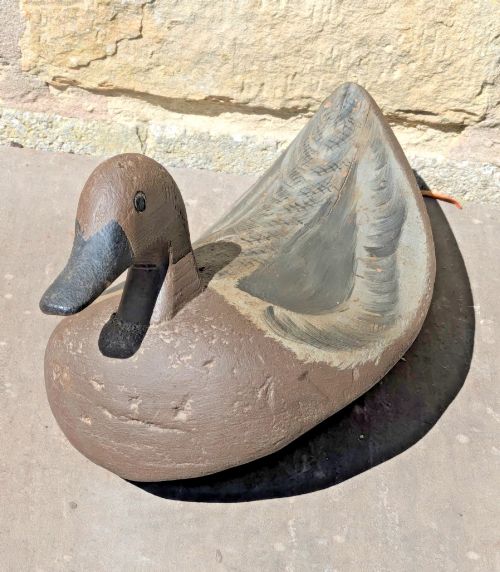
A rustic carved bird encompasses practical decoys, decorative sculptures, and folk art objects produced across the nineteenth and early twentieth centuries. Working decoys dominate this category, designed initially for utility by craftsmen rather than for display in parlours.
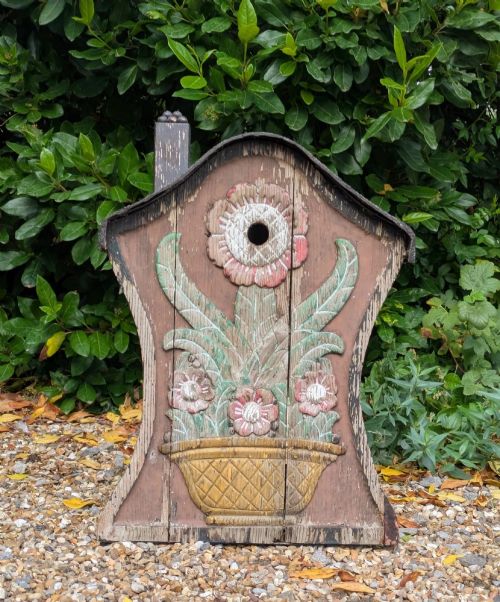
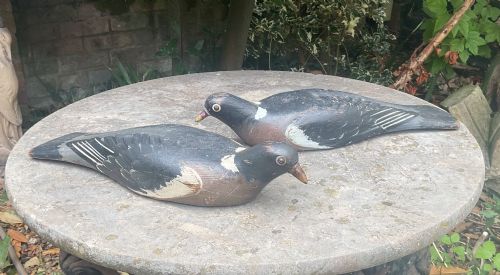
Makers shaped these pieces during the Victorian, Edwardian, and subsequent decades, drawing on regional traditions from England, Scandinavia, France, and America. Surviving examples range from working duck and pigeon decoys to architectural dovecotes and garden ornaments.
The aesthetic sits firmly within folk art and country traditions, where surface wear and tool marks form part of the appeal. Buyers encounter pieces carved for specific working functions alongside purely decorative sculptures intended for domestic interiors.
Materials and construction
Makers relied primarily on timber, utilising pine, oak, and various local woods that were shaped with hand tools before receiving layers of oil or lead-based paint. Paint surfaces frequently show multiple layers of historic pigment, applied to mimic natural plumage for attracting waterfowl.
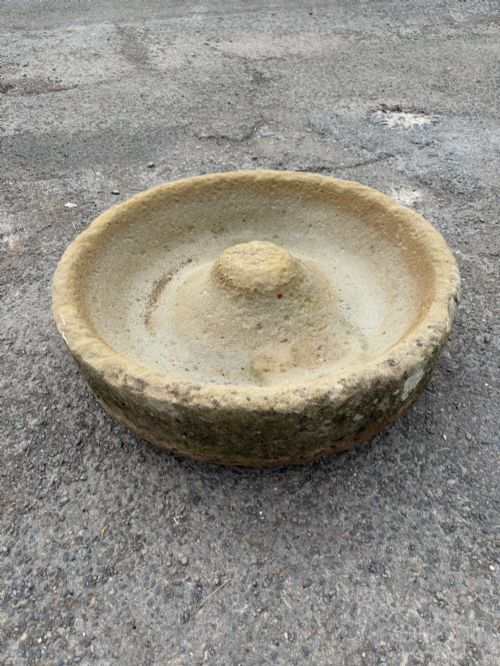
Iron and metal components appear on auxiliary elements like weathervanes and structural brackets, while alternative media such as sandstone and Purbeck stone ground the heavier garden troughs and bird baths.
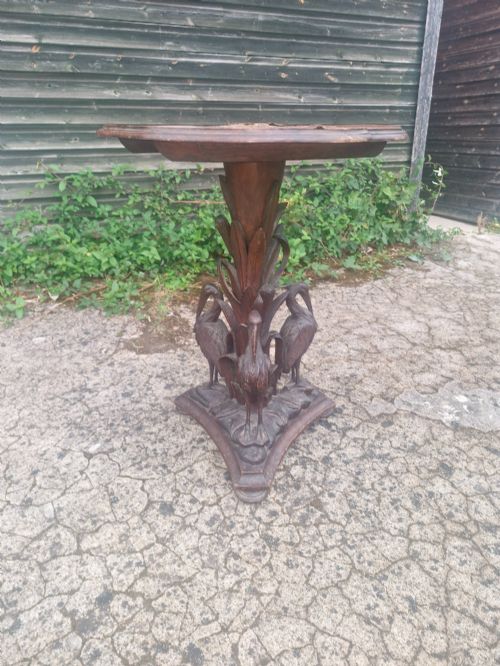
Black Forest pieces demonstrate finer woodworking techniques, utilising deeply carved details to depict pheasants, eagles, and forest foliage on clocks, panels, and furniture.
Current listings demonstrate a prevalence of carved wood and painted surfaces alongside nineteenth-century stone bird baths and iron weathervanes.
Judging quality in folk carvings
Quality rests in the vigour of the carving and the preservation of the original painted surface. Pieces that retain their uninhibited tool marks and honest layers of historic paint command greater interest than those stripped or overly restored.
Anatomical proportion combined with the distinct character of the silhouette separates standard utility items from exceptional sculptural expressions. Makers who captured the alert posture of a duck or the heavy gaze of a heron achieved enduring visual impact.
The Rustic Carved Bird Glossary
- Decoy
- A carved or moulded figure placed by hunters to lure waterfowl or pigeons. These working objects form the majority of surviving wooden bird carvings.
- Folk art
- Utilitarian and decorative objects created by self-taught or provincial craftsmen outside academic traditions. These pieces prioritise practical function and regional style over formal artistic rules.
- Black Forest
- A style of intricate wood carving originating from the mountainous region of Germany and Switzerland during the nineteenth century. The work typically depicts natural subjects such as birds, game, and foliage.
- Dovecote
- A structured nesting box or shelter built to house pigeons or doves. Antique examples often doubled as architectural ornaments for country estates and farmyards.
- Weathervane
- An outdoor instrument mounted on a roof to show the direction of the wind, frequently fashioned into silhouette figures of birds and animals.
Rustic Carved Bird: Frequently Asked Questions
How were wooden decoy ducks used?
Decoys were floated on water or staked near shorelines to attract wild birds within shooting range during hunting expeditions.
Craftsmen built them to withstand harsh outdoor conditions, weighting the bases so the figures remained upright in wind and choppy water.
Are antique bird carvings signed by makers?
Most working decoys and folk art sculptures lack maker signatures because they were utilitarian gear made by anonymous local carvers.
Attributions rely instead on specific regional paint styles, tool techniques, and the particular timber used in construction.
How should I clean a painted wooden decoy?
Dust surfaces gently with a dry, soft brush to protect fragile, historic layers of original paint from moisture damage.
Avoid chemical cleaners, water immersion, and abrasive cloths that can strip away the aged patina accumulated over decades.
What defines Black Forest carvings?
Black Forest pieces feature deeply sculpted natural motifs, including pheasants, eagles, and forest flora applied to clocks, plaques, and coat racks.
Carvers utilised rich brown woods to create three-dimensional scenes with notable depth and realistic anatomical detail.