


Timber Wildfowl Sculpture
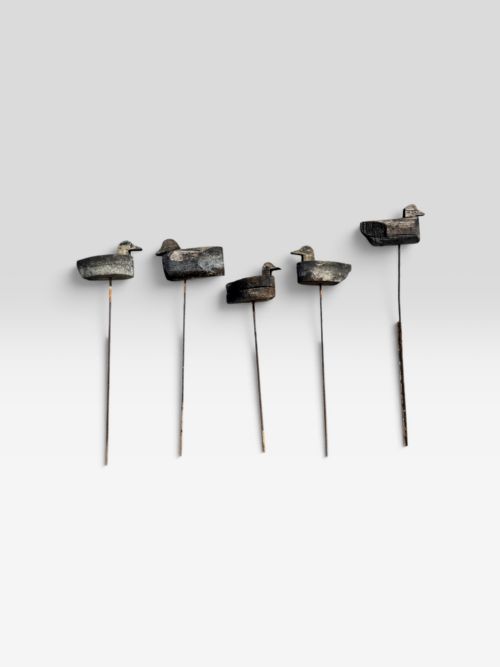
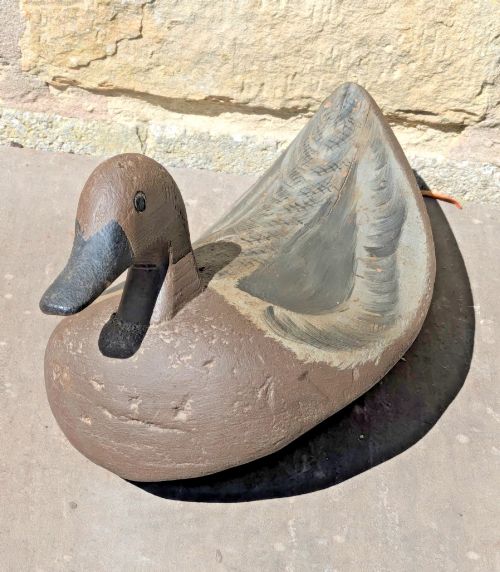
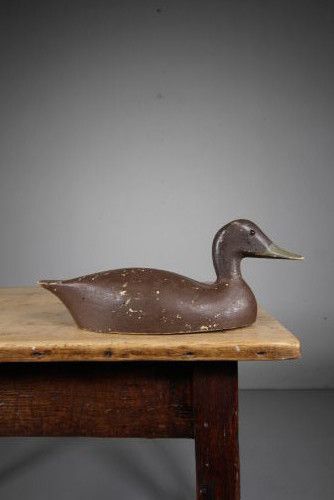
Timber wildfowl sculpture brings hand-carved decoy ducks into the room, offering rustic charm from the early twentieth and nineteenth centuries.
Timber Wildfowl Sculpture
Timber wildfowl sculpture encompasses carved wooden water birds and decoy ducks originating from the nineteenth and early twentieth centuries. These decorative objects draw heavily from English country folk art and French rustic traditions, reflecting working decoy forms.
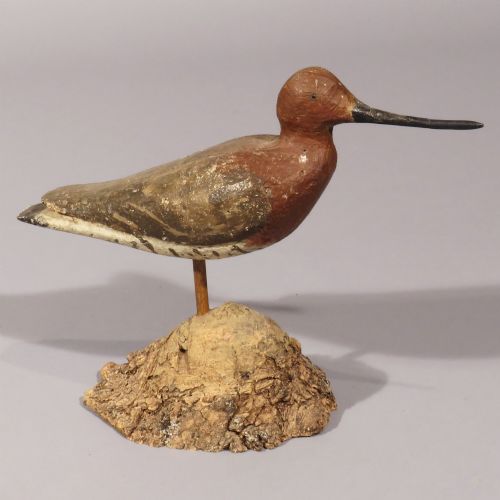
Buyers on this page most frequently encounter individual decoy ducks rendered in painted wood, alongside specific shorebird representations such as the black tailed godwit and the American loon with her chick.
How they were made
Carvers shaped these timber wildfowl sculptures from pine and various woods, frequently incorporating bark, iron components, and glass eyes to achieve lifelike forms. Hand-carved bodies display tool marks that reveal the primary shaping methods of early makers.
Makers applied surface paint by hand over the carved wood, creating naturalistic plumage and decorative patterns that have aged across the Edwardian period and earlier decades.
An American loon sculpture on this page travels with her carved chick attached, proving that even working decoys occasionally needed family.
What varies in quality
The distinction between standard decorative objects and superior examples lies in the expressiveness of the carved posture and the retention of original hand-painted surfaces. Pieces showing minimal overpainting and distinct folk art character command greater interest.
Structural complexity also separates the works, such as sculptures depicting multiple subjects like a loon with her chick, compared to simpler single duck decoys.
The Timber Wildfowl Sculpture Glossary
- Decoy duck
- A carved and painted wooden float or sculpture originally utilised to attract wildfowl. These working objects form the foundation of most folk art bird carvings.
- Folk art
- Traditional decorative items produced by self-taught or community artisans rather than academic sculptors. This style defines the unpretentious aesthetic of nineteenth-century country pieces.
- Edwardian
- The period spanning the reign of King Edward VII from nineteen hundred to nineteen hundred and ten. Pieces from this era often display refined carving techniques.
- Pine
- A common softwood utilised by carvers for its workability and availability. It provides the lightweight body required for floating decoys.
Timber Wildfowl Sculpture: Frequently Asked Questions
What is a timber wildfowl sculpture?
A timber wildfowl sculpture is a hand-carved wooden bird, typically shaped as a decoy duck for use on water or as a decorative object. These pieces derive from nineteenth and early twentieth-century working traditions.
Carvers utilised wood, paint, iron, and glass to construct realistic representations of ducks, loons, and shorebirds.
How do I date an antique decoy?
Dating relies on examining the tool marks left by the carver, the formulation of the paint layers, and the choice of materials like iron or glass. Nineteenth-century examples often exhibit heavier wear and simpler construction.
Edwardian and nineteen-twenties pieces may show slightly more refined surface detailing while retaining folk art characteristics.
Where do these carvings originate?
The pieces originate from domestic and international rural traditions, notably English country workshops and French rustic makers. Local artisans produced them using regional timber such as pine.
Each region developed distinct carving styles that separate English decoys from French rustic water bird sculptures.