


Carved Wood Decoy
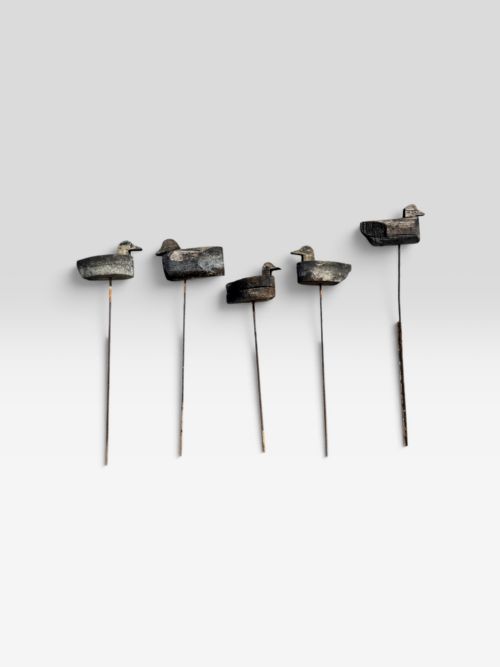
These carved wood decoy pieces are working working-birds turned decorative sculpture, offering rustic charm for collectors.
Carved Wood Decoy
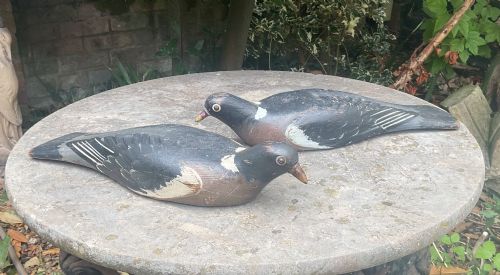
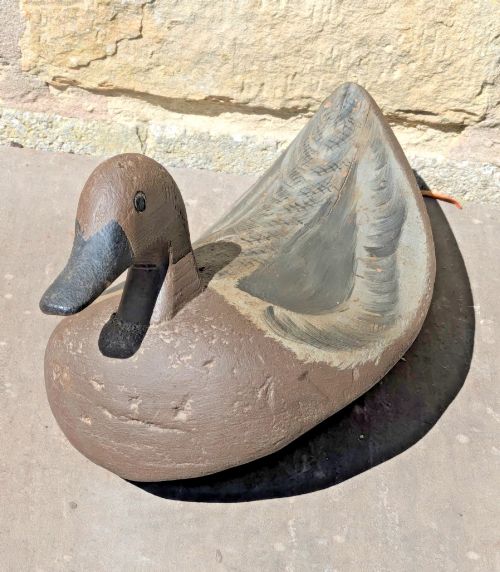
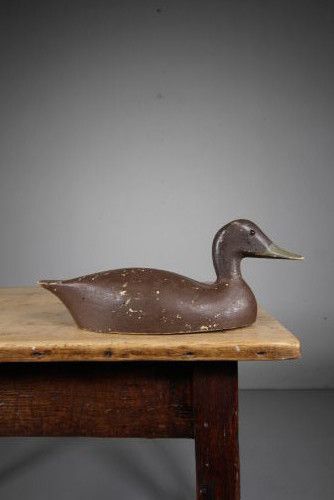
A carved wood decoy is a sculptural representation of a water bird or pigeon, historically employed by shooters to attract wild fowl. Collectors encounter forms spanning the nineteenth century, the Edwardian era, and the nineteen-twenties and nineteen-thirties.
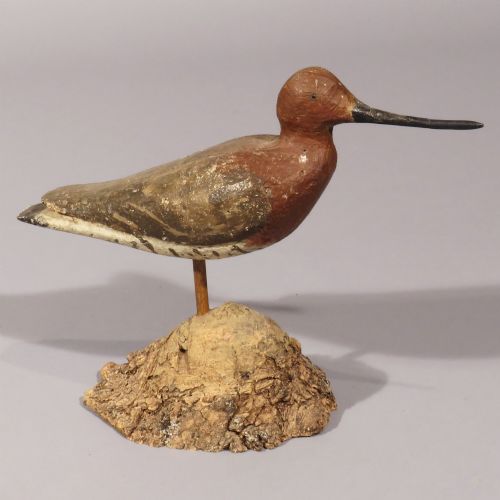
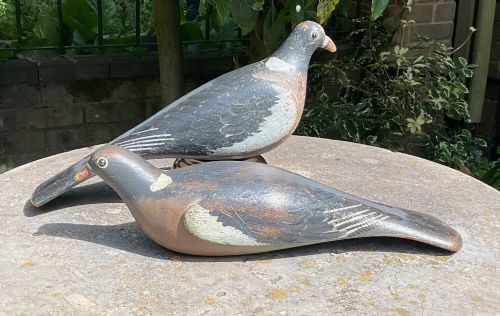
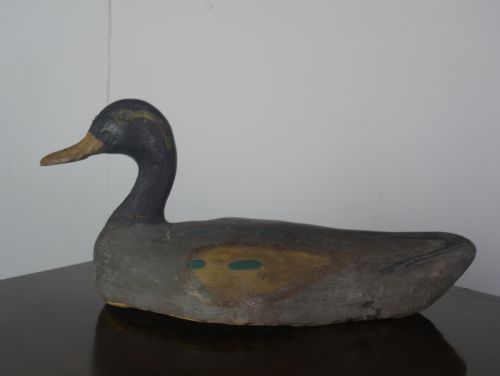
The selection here encompasses various species including ducks, pigeons, geese, loons with chicks, and black-tailed godwits. Most examples originate from English traditions, alongside pieces identified as French folk art.
The forms function primarily as decorative objects and folk art sculptures rather than working tackle today. Buyers find single items, pairs, and sets of three.
How they were made
Makers shaped timber and wood, sometimes incorporating bark, to form the body and head of each bird. Iron hardware and metal components occasionally appear in the construction.
Surfaces received paint and polychrome finishes to replicate natural plumage. Glass elements were sometimes utilised for the eyes of the birds.
One notable loon swims with its tiny carved chick trailing close behind.
What varies in quality
The visual appeal depends upon the character of the carving and the preservation of the original paint surface. Surface wear and patination accumulated through age contribute to the distinct personality of each sculpture.
Anatomy and form range from simple rustic representations to more detailed models like loons with chicks or specific species such as godwits and geese.
Harry Boddy
The Carved Wood Decoy Glossary
- Polychrome
- Painted in several colours. This term describes surfaces decorated with multiple pigments to render naturalistic bird plumage.
- Edwardian
- Pertaining to the reign of King Edward VII spanning from nineteen hundred and one to nineteen hundred and ten. Pieces from this period often display specific regional British traits.
- Decoy
- A carved representation of a bird used in hunting. In modern settings, these items serve as decorative sculptures.
Carved Wood Decoy: Frequently Asked Questions
What is a carved wood decoy?
A carved wood decoy is a traditional working object shaped to resemble a water bird or pigeon. These items were originally utilised by hunters to attract live birds.
Today, they are collected and displayed as decorative folk art sculptures within homes.
How old are these wooden decoys?
The pieces available span from the nineteenth century through the Edwardian period and into the nineteen-twenties and nineteen-thirties.
Each era brings distinct styles and working methods rooted in folk traditions.
What birds do these decoys represent?
Makers carved various species including ducks, geese, pigeons, and loons with chicks. Some examples represent specific birds such as the black-tailed godwit.
Different species offer buyers a varied selection of forms and silhouettes.
Where do these pieces originate?
The majority of the items originate from English folk art traditions and country workshops. French examples also appear within the selection.
Regional styles often reveal themselves through the carving execution and paint application.
How should I display a decoy?
Decoys function well as standalone decorative objects on shelves, tables, or mantelpieces. They are frequently displayed as single pieces, in pairs, or as sets of three.
Their rustic surfaces and painted finishes complement traditional and contemporary interiors alike.