
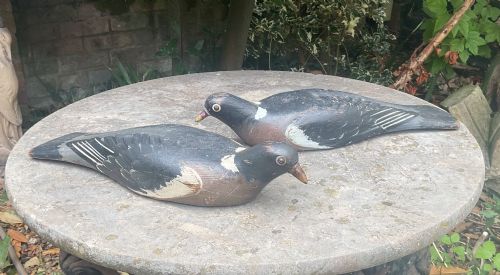
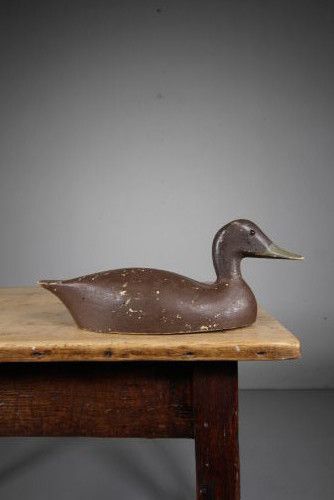
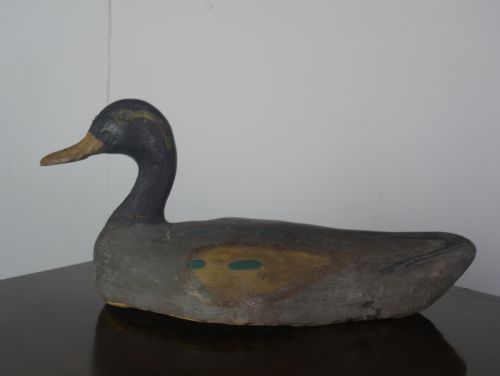


Vintage Sporting Decoy
These vintage sporting decoy items bring authentic folk art character to a room, valued for their tactile timber construction and weathered painted surfaces.
Vintage Sporting Decoy
A vintage sporting decoy represents carved and painted birds utilised historically to attract game, now collected as decorative sculpture. The selection spans the nineteenth century, Edwardian era, and early twentieth century.
Buyers encounter distinct forms fashioned as ducks, pigeons, and doves. These pieces often originate from English country houses and rural workshops.
Folk art styles dominate the available inventory, reflecting traditional craftsmanship rather than mass production. Each piece functions purely as a decorative object today.
How they were made
Maker construction relies heavily on carved wood and timber, shaped by hand into recognisable avian forms. Some examples incorporate gesso beneath the surface layers to smooth the timber contours.
Makers applied multiple coats of paint to replicate natural plumage, often using metal components for functional elements like eyes or fasteners. Pine serves as a primary timber in several listed objects.
Current listings span the nineteenth century up to 1930, featuring carved pine, gesso, and painted finishes.
What varies in quality
The distinction between standard and superior pieces rests in the expressiveness of the carving and the preservation of the original painted surface. Patina accrued through age enhances the visual appeal of better examples.
Depth of character in folk art pieces determines their desirability among collectors. Simpler forms contrast with more detailed sculptural interpretations from country house environments.
The Vintage Sporting Decoy Glossary
- Decoy
- A carved representation of a bird utilised to attract wildlife during sporting pursuits. These objects now survive as decorative sculptures.
- Gesso
- A plaster mixture applied to wooden surfaces to provide a smooth base for painting. It helps seal the timber before pigment application.
- Timber
- Wood prepared for building or carving purposes. In these pieces, pine and various solid woods form the structural body.
Vintage Sporting Decoy: Frequently Asked Questions
How were these decoys used originally?
Hunters placed these carved wooden birds in fields or marshes to lure live game within range. Their primary function was practical attraction during rural sporting expeditions.
Over decades, their purpose shifted entirely from utility in the field to decorative display within country houses and modern interiors.
How do I clean a painted wooden decoy?
Dust the surface gently with a dry, soft cloth to remove everyday particles. Avoid using water, detergents, or chemical cleaners that might lift the historic paint layers.
Preserving the original painted surface and accumulated patina maintains the visual integrity and character of the object.
Are these pieces signed by makers?
Most antique sporting decoys lack maker marks or signatures because they were utilitarian sporting items rather than fine art pieces. Makers were typically local craftsmen or hunters working anonymously.
Attribution relies instead on materials, tool marks, regional styles, and the specific ageing of the wood and paint.
Where should I display a decoy?
Position these sculptures on bookshelves, sideboards, or mantelpieces where their sculptural forms can be appreciated up close. Pairing them with other rustic or wooden objects creates a cohesive display.
Keep them away from direct sunlight and excessive radiator heat to protect the antique timber and painted finishes from cracking.